REVIEW · COPENHAGEN
Copenhagen: MACA Art Museum Entry Ticket
Book on GetYourGuide →Operated by maca museum · Bookable on GetYourGuide
A day at MACA in Copenhagen hits street art at full volume. This entry ticket takes you into a focused museum setting right in Nyhavn, where you can connect the big names of the 20th and 21st centuries with the techniques and street culture behind them. Two things I like a lot: the exhibition mix (from Banksy’s early methods to major graffiti and contemporary icons), and the convenience of being able to roll from the museum straight into the canal area and nearby sights.
You’ll also like the practical side: audio guides are included and you get coat and bag storage, so your visit stays smooth. One thing to consider: the experience is exhibition-based and self-paced, so if you want a guided walkthrough with a live lecturer, this ticket won’t give you that.
In This Review
- Key highlights
- MACA Museum in Nyhavn: a smart base for your Copenhagen day
- What your entry ticket includes (and what it doesn’t)
- Inside MACA: how the Banksy exhibition is built to teach you something
- Beyond Banksy: graffiti legends and the 21st-century street-art lineup
- Big-name modern artists: why it feels like a shortcut through art history
- Your best pairing walk: Nyhavn, Andersen, and Amalienborg
- Courtyard cafe and Danish hygge: how comfort changes with the season
- Audio guides on your phone: how to get the most from the exhibitions
- Skip the ticket line: a small perk with big payoff
- Price and value: is $24 a good deal in Copenhagen?
- Who this ticket is best for
- Should you book MACA now, or wait?
- FAQ
- What does the MACA Art Museum entry ticket include?
- How long is the ticket valid?
- Can I skip the ticket line?
- What audio options do I get, and do I need headphones?
- Are there storage options for bags?
- Where is MACA Museum located, and what’s nearby?
- Which artists and exhibitions can I expect?
Key highlights

- Nyhavn location: the museum sits in the historic waterfront trading-port area, so your art time naturally pairs with canal walks and coffee stops
- Banksy & Street Art: The Early Years: you get rare drawings, stencils, photos, and paintings that show how the work was built
- Graffiti-to-pop connection: you’ll see the 1980s and 1990s New York graffiti scene alongside 21st-century street artists
- Major name lineup: expect big-impact artists like Banksy, Basquiat, Warhol, KAWS, Haring, Hirst, and Kusama in the broader programming
- Audio guides for many languages: downloadable guides come in several languages, but you need to bring/plan your own way to listen
MACA Museum in Nyhavn: a smart base for your Copenhagen day
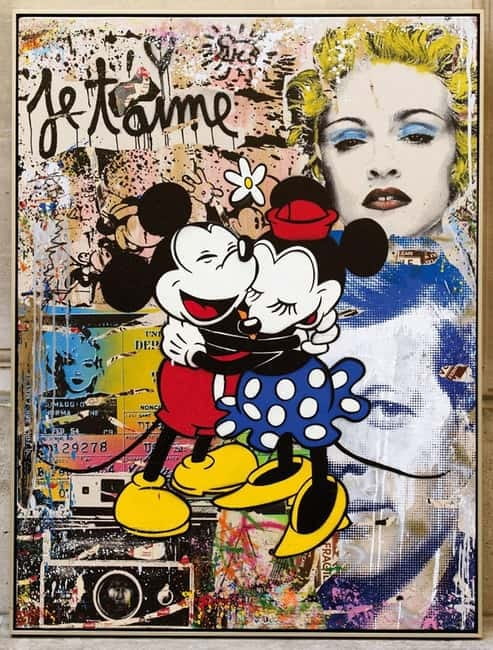
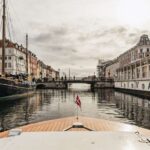
MACA Art Museum is in the middle of Copenhagen, in the historic Nyhavn waterfront trading port area. That matters because you’re not commuting to art on the edge of town. You’re already in the part of the city that people associate with classic Copenhagen scenes: canals, colorful waterfront views, and plenty of places to pause.
I also like the “two-for-one” feel of the setting. During your museum time you’re indoors and focused. Outside, you can transition quickly to the Nyhavn waterfront for bars, restaurants, and canal atmosphere—no long transit required.
The area also gives you built-in pairing options without forcing a strict plan. If you want Andersen vibes, you’re close to the home of Hans Christian Andersen. If you want royal Copenhagen, you’re a short walk from Amalienborg Royal Palace, where Denmark’s royal family resides.
You can also read our reviews of more tours and experiences in Copenhagen



What your entry ticket includes (and what it doesn’t)
This is an entry ticket to MACA with access to all exhibitions. In other words, you’re not paying for a single highlight and rushing through. You’re paying for a full museum visit window (valid 1 day, with start times depending on availability).
Included with admission:
- Entry to MACA museum
- Access to all exhibitions
- Downloadable exhibition audio guides (to your smartphone)
- Coat and bag storage
Not included:
- Headphones (not available for purchase)
- Secure storage (there is secure storage for rental, but it’s not included in the ticket)
That headphone detail is the kind of thing that can ruin a good day if you forget. Because the audio guide is downloadable to your smartphone, you’ll want a comfortable listening setup before you arrive—either bring your own wired headphones or use whatever you normally use for phone audio.
Inside MACA: how the Banksy exhibition is built to teach you something
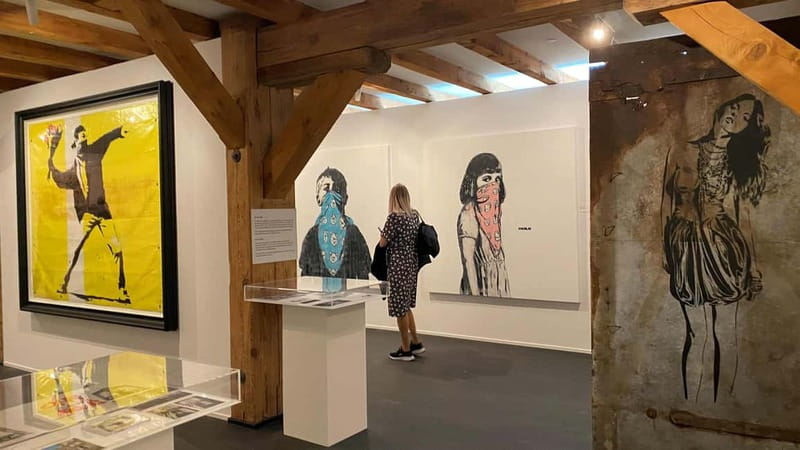
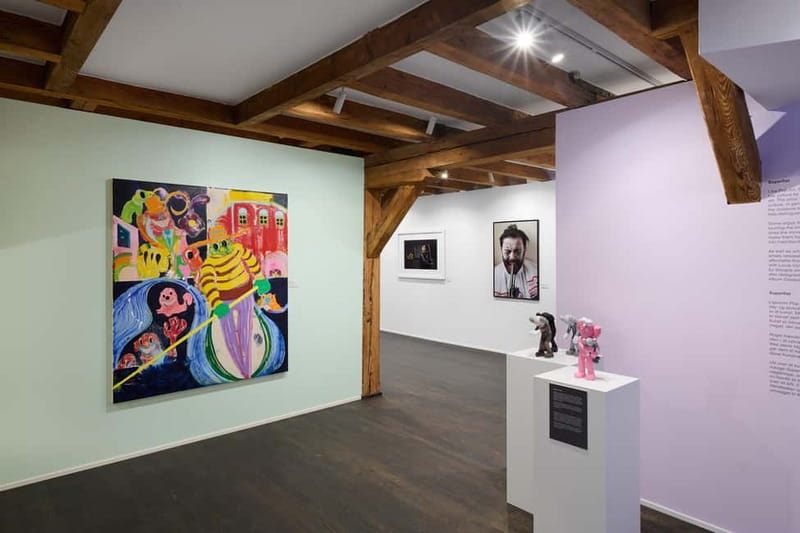
MACA’s main draw for a lot of people is the exhibition Banksy & Street Art: The Early Years. It’s not just an overview of famous works. The emphasis is on the early working process—how ideas turned into stencils and output, and how street techniques show up in finished pieces.
The show includes rare drawings, stencils, photographs, and paintings. That mix changes how you experience Banksy. Instead of only reacting to the final image, you get to notice the mechanics: planning, iteration, and the step-by-step thinking behind the street look.
Here’s a practical way to enjoy it. Spend extra time in sections that show drafts or process items. If you move too fast through finished works, you miss the point of the exhibition. The early-years theme rewards slower looking: you’re effectively learning the “how,” not just seeing the “what.”
Beyond Banksy: graffiti legends and the 21st-century street-art lineup
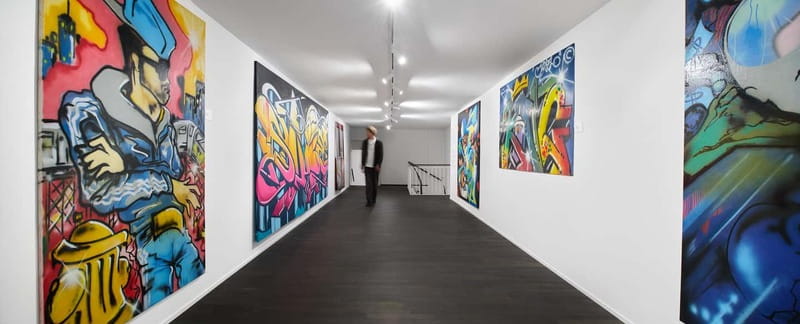
MACA also frames street art history through the 1980s and 1990s New York graffiti scene, then tracks how the language of street culture spreads forward. The exhibition approach matters because it keeps the story grounded in real names and real styles, rather than treating street art as one vague category.
Some of the artists highlighted in that graffiti and street-art focus include Futura 2000, Dondi, Lady Pink, Shepard Fairey, STIK, VHILS, XOOOOX, Bambi, and Retna. Seeing that list inside a museum context is part of the value: you’re not just hearing the mythology of street art, you’re encountering artists as distinct voices.
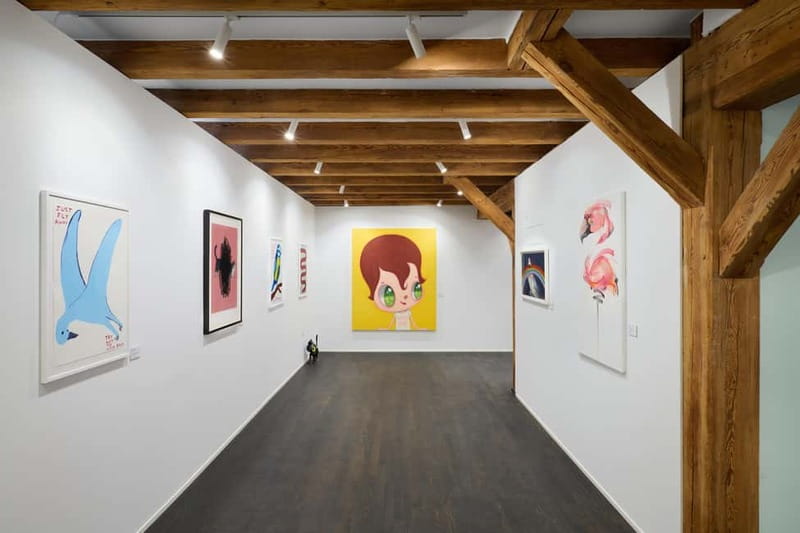
Then the museum moves into 21st-century street artists such as KAWS and the work of Haring and other major modern figures listed as part of the museum’s overall artist coverage. If you like contemporary art but don’t want a purely academic presentation, this balance can feel more direct.
Also keep in mind: the ticket is admission to all exhibitions, so your experience may include more than one “lane” of art focus in a single visit day. This is where the self-paced structure works well. If Banksy grabbed you, you can spend more time in that wing. If you want to compare styles across decades, you can bounce between rooms without feeling rushed by a timed tour group.
Big-name modern artists: why it feels like a shortcut through art history

MACA’s broader museum programming includes major artists you’ll recognize instantly: Basquiat, Warhol, KAWS, Haring, Hirst, and Kusama. That doesn’t mean the museum turns into a generic greatest-hits show. It’s more like a fast pass through modern art conversations, with street art themes acting as the bridge.
For many visitors, that’s the appeal. You get the cultural impact of famous names while still seeing the artistic methods and references that connect them. Basquiat and Warhol, for example, sit in the orbit of modern pop, image-making, and identity. In a museum that also takes graffiti seriously, those connections feel easier to see than they might in a more traditional art setting.
If you’re the type who likes to connect dots—technique to influence, street aesthetics to mainstream art—MACA is a good place to practice that.
You can also read our reviews of more museum experiences in Copenhagen


Your best pairing walk: Nyhavn, Andersen, and Amalienborg
Because MACA is positioned near key Copenhagen landmarks, you can turn this ticket into a simple day plan. Start with the museum, then use your legs for the nearby sights—less backtracking, more sightseeing per hour.
Two stops to consider right after your visit:
- Hans Christian Andersen’s home: If Andersen is part of your Copenhagen story (and many people are), it’s a short step from the museum area.
- Amalienborg Royal Palace: This is Denmark’s royal residence, and it’s just a few steps from MACA.
Then, before or after those, give yourself time to enjoy the Nyhavn waterfront: canals, restaurants, and a steady flow of people doing their daily walk. You’re not forced to chase a photo checklist here. You can just wander, take a break, and let the city do its thing.
A small practical tip: build in one calm pause. Even if the museum grabs your attention, the waterfront is where the day breathes. It also helps you reset before you go back out in the evening.
Courtyard cafe and Danish hygge: how comfort changes with the season
Food and atmosphere are part of the MACA experience. The museum offers a private outdoor courtyard cafe during cool spring and summer months. In winter months, the museum shifts to a cozy candlelight setting that leans into Danish hygge.
This matters because museum days can feel tiring if you don’t have an easy way to recharge. When there’s a cafe option you can access within the museum setting, you’re less likely to lose your momentum to finding food elsewhere.
Even if you don’t plan a full meal, treat the cafe or seating area as your “reset button.” Grab a drink, take a breather, then return to the galleries with clearer eyes. You’ll notice more details when you’re not rushing.
Audio guides on your phone: how to get the most from the exhibitions

Audio guides are included, and they’re downloadable to your smartphone. The guide languages listed include English, Danish, German, Spanish, Japanese, Korean, Thai, Turkish, and others.
This is a strong inclusion because street art can be very reference-heavy. Audio support helps you catch names, symbols, and context that you might otherwise miss when you’re looking quickly.
One more practical point: the ticket includes audio guides, but it doesn’t include headphones. Since headphones aren’t available for purchase, plan ahead. If you already carry a small pair of wired headphones or use Bluetooth, you’ll be set.
Also, download before you arrive if possible. Indoor Wi‑Fi can be spotty, and you don’t want to burn time troubleshooting while your start window is ticking.
Skip the ticket line: a small perk with big payoff
Getting skip-the-ticket-line access sounds minor, but it adds up when you’re in the center of Copenhagen and you want a smooth day. Lines also tend to be the one thing that scrambles timing, especially in tourist-heavy areas like Nyhavn.
Since this is an entry ticket that’s valid for one day (with starting times based on availability), the line-skip lets you spend more of your day inside the museum and less of it standing around.
Price and value: is $24 a good deal in Copenhagen?
At $24 per person, this ticket is positioned as a mid-range museum cost for central Copenhagen. The value comes from three things: you get access to all exhibitions, you get audio guides included, and the museum location makes it easy to combine with other nearby sights.
If you were paying for a single special exhibit somewhere else, you’d often miss the rest of the program. Here, the ticket is built for a full visit. Plus, the audio guides can add depth quickly without requiring a separate paid tour.
The math also gets better when you account for practical inclusions like coat and bag storage. If you’re arriving with a day bag or extra layer, that convenience matters more than it seems at purchase time.
The main drawback to watch for is the ticket’s format: it’s not a guided story led by a person. You’re driving your own visit pace. If that suits you, you’ll feel in control. If you prefer a narrator, you may want to add a separate guided option elsewhere in your day.
Who this ticket is best for
This is a great fit if:
- You like modern art and want street art treated seriously, not as background entertainment
- You’re curious about process—early methods, stencils, and how street techniques translate into art objects
- You want a central location you can plug into a walk-heavy Copenhagen day
- You appreciate audio support and plan to use your smartphone for it
It’s less ideal if:
- You only want a short hit and don’t care about multi-room exhibitions
- You expect a live guide and structured narration
- You forget headphones and don’t want to deal with listening logistics
Should you book MACA now, or wait?
Book this ticket if you want a well-priced museum stop that connects famous modern names with the street-art ideas behind them. The combination of Banksy’s early process focus, the New York graffiti lineage, and the “walk out into Nyhavn” location is exactly the kind of setup that turns into a memorable day without complicated planning.
Before you commit, check the starting time availability for your date and treat it like a full museum block you’ll actually use. If you’re the type who enjoys looking slowly at art and using audio guides to catch details, $24 feels fair. If you’re only passing through and want a one-room quick stop, you might consider a shorter plan elsewhere.
FAQ
What does the MACA Art Museum entry ticket include?
The ticket includes entry to MACA museum, access to all exhibitions, downloadable audio guides to your smartphone, and coat and bag storage.
How long is the ticket valid?
The ticket is valid for 1 day. Starting times depend on availability for your chosen date.
Can I skip the ticket line?
Yes. The activity includes skip-the-ticket-line access.
What audio options do I get, and do I need headphones?
Audio guides are included and are downloadable to your smartphone. Headphones are not available for purchase, so plan to use your own.
Are there storage options for bags?
Coat and bag storage is included. Secure storage is available for rental, but it is not included.
Where is MACA Museum located, and what’s nearby?
MACA is in the center of Copenhagen at Nyhavn, in the historic waterfront trading port area. It’s also near Hans Christian Andersen’s home and just a few steps from Amalienborg Royal Palace.
Which artists and exhibitions can I expect?
You can expect major 20th and 21st-century artists such as Banksy, Basquiat, Warhol, KAWS, Haring, Hirst, and Kusama. The exhibition mentioned includes Banksy & Street Art: The Early Years, plus coverage of the New York graffiti scene with artists such as Futura 2000, Dondi, Lady Pink, Shepard Fairey, STIK, VHILS, XOOOOX, Bambi, and Retna.