REVIEW · COPENHAGEN
Copenhagen: Danish War Museum Entry Ticket
Book on GetYourGuide →Operated by The Danish War Museum · Bookable on GetYourGuide
Knights, rockets, and a hammock? Yes. The Danish War Museum in Copenhagen takes you from 1500s campaigns to Afghanistan, all inside the old Tøjhus Arsenal. I love the clear, satisfying way the exhibitions move through time, and I also like the sheer size of the building’s 163-meter first-floor hall. One thing to plan for: there’s currently no elevator to reach the first floor.
If you like artifacts that feel oddly specific and real, this place keeps delivering. You’ll see shining armor from 15th-century Danish knights and jump from major wars to personal objects that make the big events feel human. And yes, there’s a hammock moment for Danish stories from the seven seas.
The newest spot exhibition turns the focus to today’s battlefield: drones, sensors, and how that changes risk for both soldiers and civilians. If you’re sensitive to war topics, treat the drones section as a serious-warning zone rather than entertainment.
In This Review
- Key things I’d circle on your visit
- Danish War Museum Ticket: A 1-Day Experience Inside Christian IV’s Armory
- Entering Tøjhus Arsenal: Why the Building Changes the Mood
- The 1500s to Present Timeline: How the Museum Makes Centuries Make Sense
- The Long Hall and Knight Armor: The Most Memorable Visual Impact
- Artifact Highlights: Bones, Biscuita, and the American Civil War Uniform
- World War II, the Cold War, and Denmark’s Shifting Role
- Hammock Break: Danish Stories from the Seven Seas
- The New Spot Exhibition on Drones: Fear, Sensors, and the Future of War
- Price and Time Planning: Is $20 Worth It?
- Who Should Book This War Museum Ticket?
- Should You Book the Danish War Museum Ticket?
- FAQ
- How long is the Danish War Museum ticket valid?
- What is included with the $20 ticket?
- Where is the museum located, and what building is it in?
- Is there an elevator to reach the first-floor exhibitions?
- What are some must-see items at the museum?
- Can I bring a wheelchair or baby carriage?
Key things I’d circle on your visit
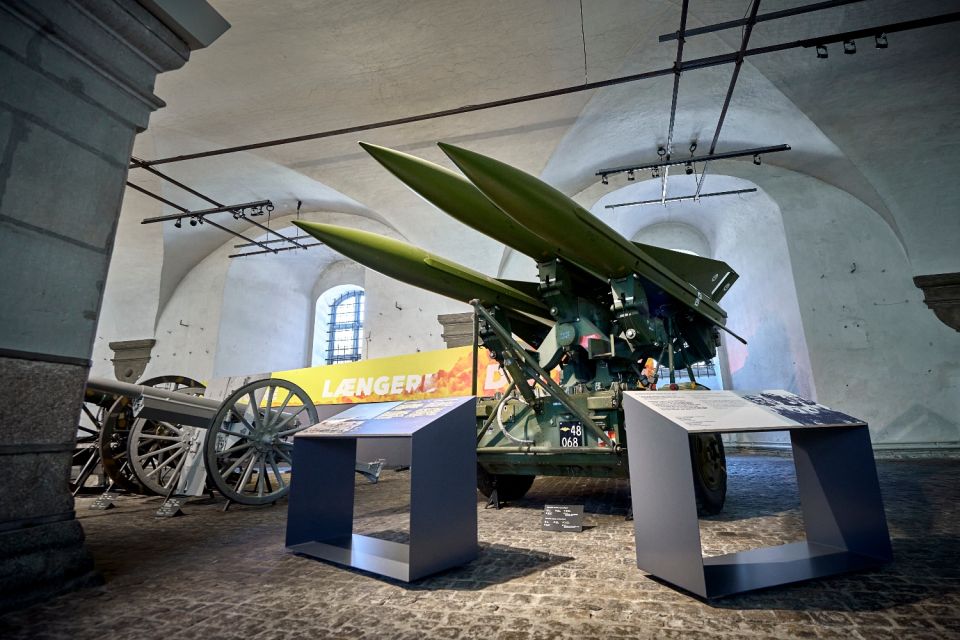
- The 163-meter first-floor hall: the longest room in the Nordics, built for a dramatic slow walk.
- Tøjhus Arsenal, built in 1604: a museum inside the armory of Christian IV’s era.
- Big-name centuries, plus strange details: knight armor, ships, and unusual war objects.
- Hands-on-feeling displays: a ship model made of bones and a Biscuita military car story.
- A sit-down break: hammock time with Danish seven-seas stories.
- Drones exhibit (spot show): how unmanned air systems may shape tomorrow’s wars.
Danish War Museum Ticket: A 1-Day Experience Inside Christian IV’s Armory
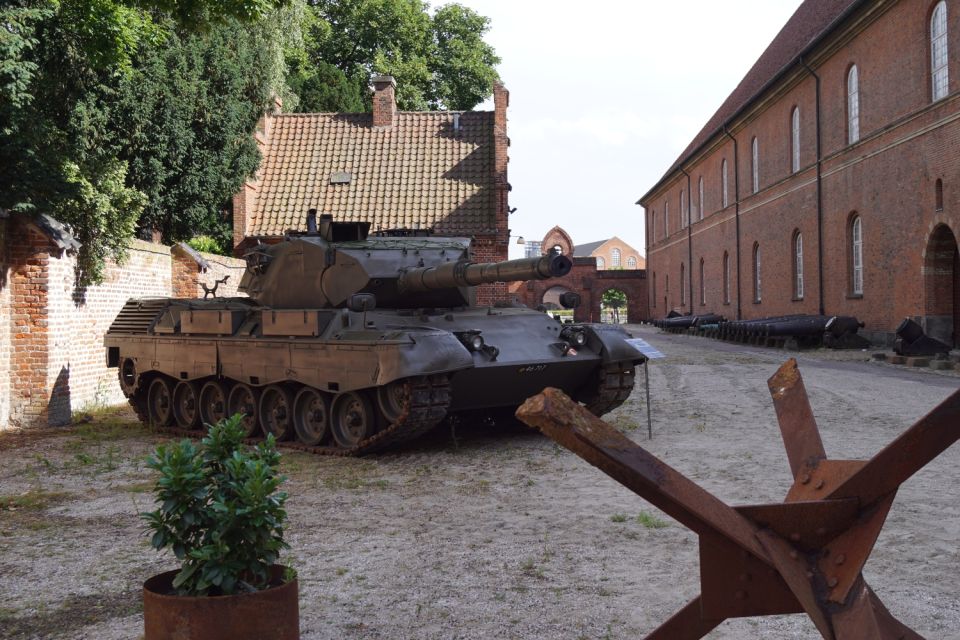
This is one of those Copenhagen stops that doesn’t feel like a quick add-on. The museum runs long on its own, and it’s easy to spend a full day here even if you’re not a “war museum” person. The ticket is simple: entry to the Danish War Museum for your chosen day/time slot, with one day listed as valid.
What you’re really buying is context. Denmark’s military story isn’t presented as one straight line of victories and defeats. It’s arranged as a timeline of pressure points—neighbors, empires, and conflicts that reached far beyond Danish borders—so you can understand why certain technologies and strategies mattered.
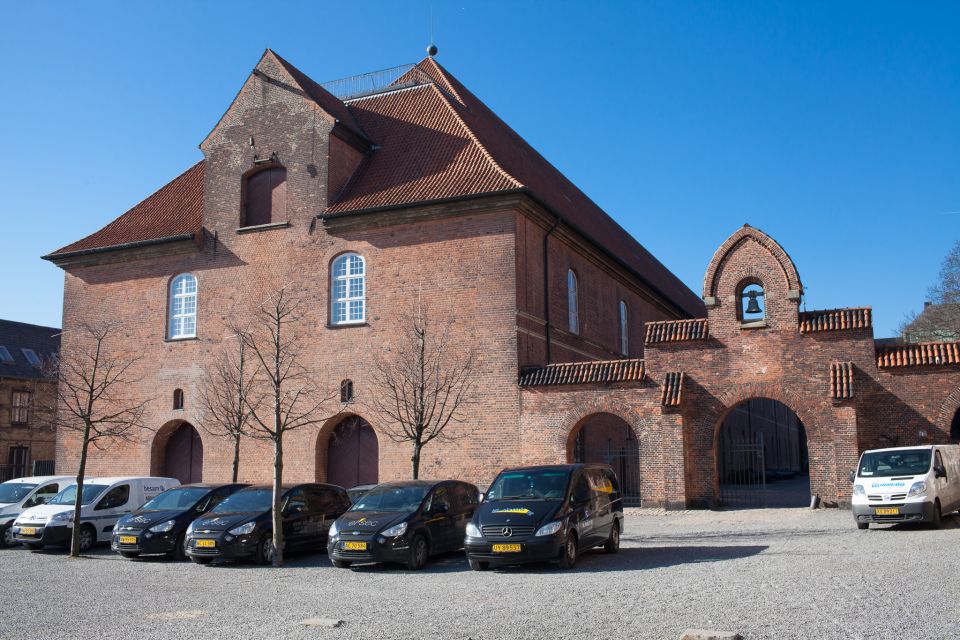
The setting helps. The museum lives in the historic Tøjhus Arsenal, built by Christian IV in 1604. That matters because the building itself was designed for weapons and readiness. Even when you’re looking at glass cases and models, the room shapes your sense of scale and purpose.
Plan to take your time. Some displays are visually intense (armor and weapons), while others reward you for slowing down (models, uniforms, and smaller storytelling items). If you rush, you’ll miss the “how it all fits together” feeling the museum aims for.
You can also read our reviews of more tours and experiences in Copenhagen



Entering Tøjhus Arsenal: Why the Building Changes the Mood
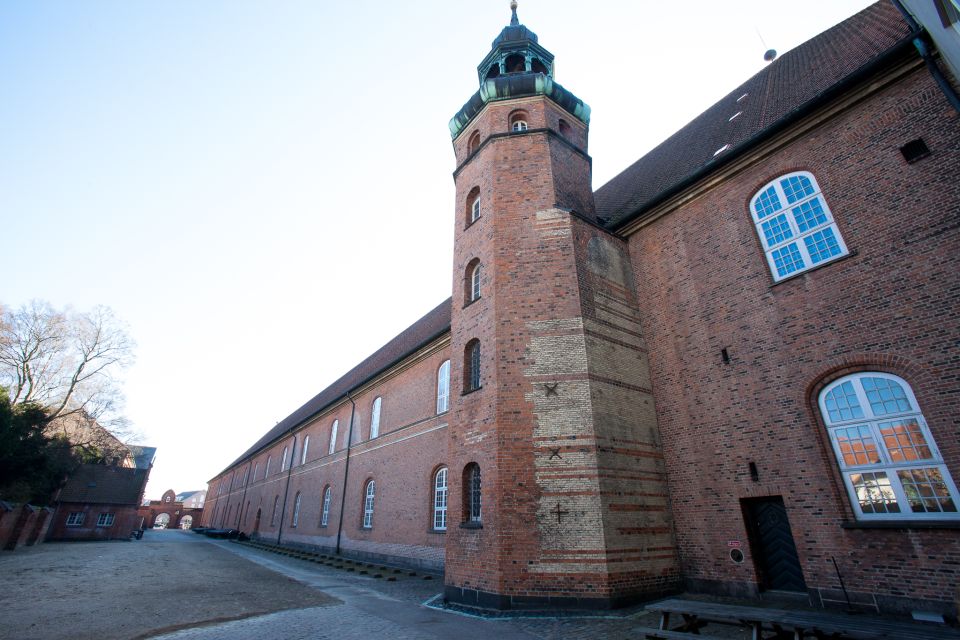
A war museum in a regular modern box building can feel like a textbook. Here, the old armory gives everything gravity. You’re walking through the historic Arsenal building, and that alone makes the exhibits feel less like a lecture and more like a place where things were prepared.
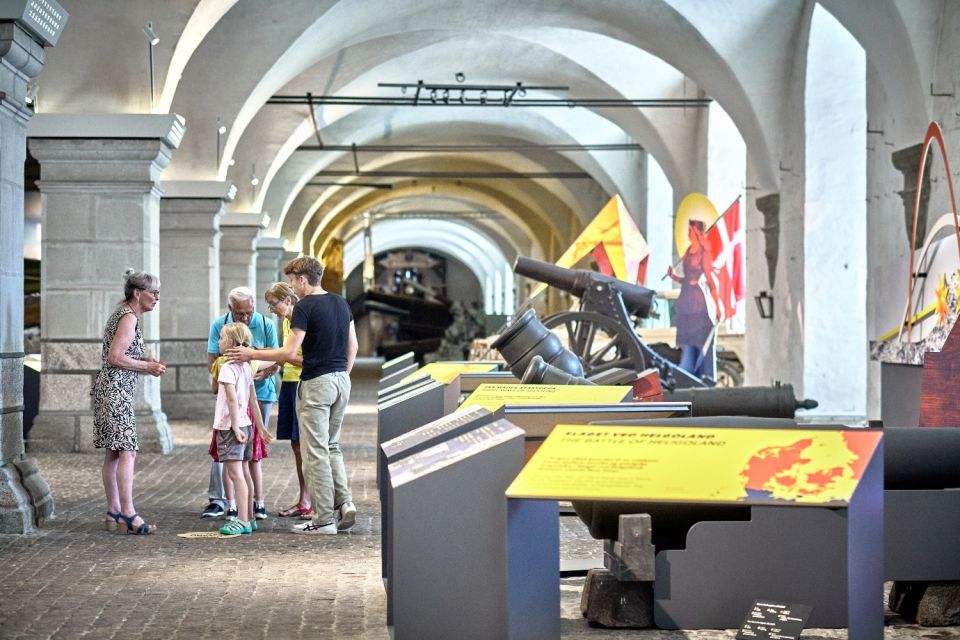
You’ll also feel the architectural design in one specific way: the first-floor hall stretches 163 meters, described as the longest room in the Nordics. This isn’t a hallway you pass through. It’s a long gallery space where you get an immediate sense of “scale over time.” When you see armor and weapons laid out across the centuries, that long run of space makes the evolution feel physical.
There’s also a practical note for mobility. The museum is working to improve access, but currently there’s no elevator to reach the exhibitions on the first floor. If stairs are a barrier for you, come prepared with a plan (and yes, you can bring your own wheelchair or baby carriage). Because the first-floor hall is a major draw, accessibility planning is worth doing early rather than hoping it’ll be fine on arrival.
The 1500s to Present Timeline: How the Museum Makes Centuries Make Sense
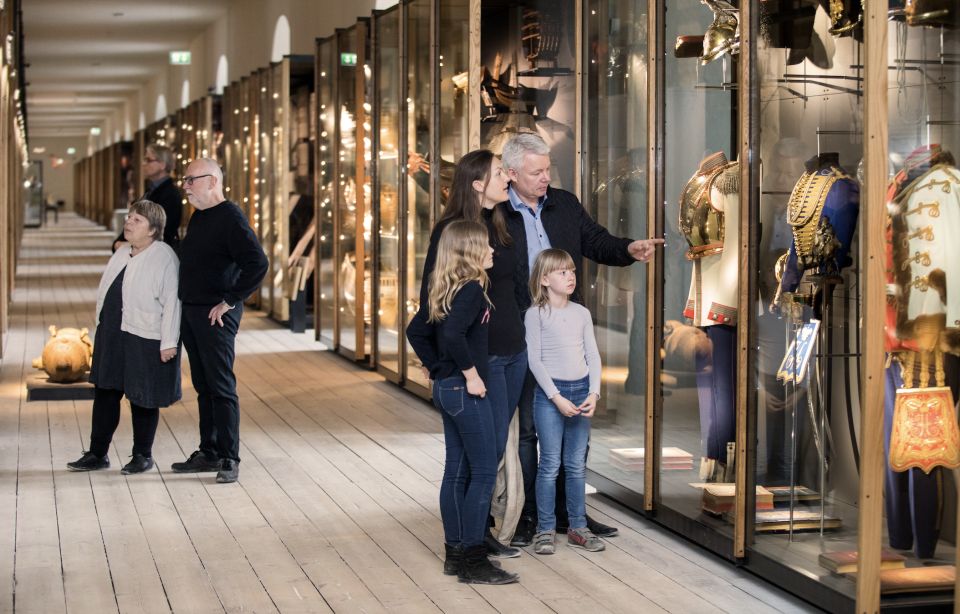
The museum’s core strength is the way it connects eras without turning into a chaotic jumble. The exhibitions cover Danish war history from the 1500s through present day, including the War in Afghanistan. That range is ambitious, but the experience is organized enough that you can follow it.
Here are the key time jumps you’ll encounter as you move through:
- 15th-century Danish knights: You’ll see armor and weapons from the era when protection, status, and battlefield roles were tightly linked.
- 17th-century war with the Swedes: This helps you understand that Denmark wasn’t only dealing with distant powers; regional conflict shaped strategy and priorities.
- 19th-century conflict with the English: You’ll see how Denmark’s wars overlapped with wider European power struggles.
- World War II and the Cold War: These periods shift the story toward modern pressures and ideological threats.
- 21st-century conflicts: The museum brings you to more recent roles and realities, including the War in Afghanistan.
What I like about this structure is that it helps you think in cause-and-effect terms. When you see older armor and then move to later conflicts, you can start noticing what changes: the role of technology, how threats evolve, and how “war” means different things across time.
If you prefer chronological order, you’re in good shape. If you prefer topics, you can still jump around—just remember that the museum is built to reward a steady walk through the timeline.
The Long Hall and Knight Armor: The Most Memorable Visual Impact
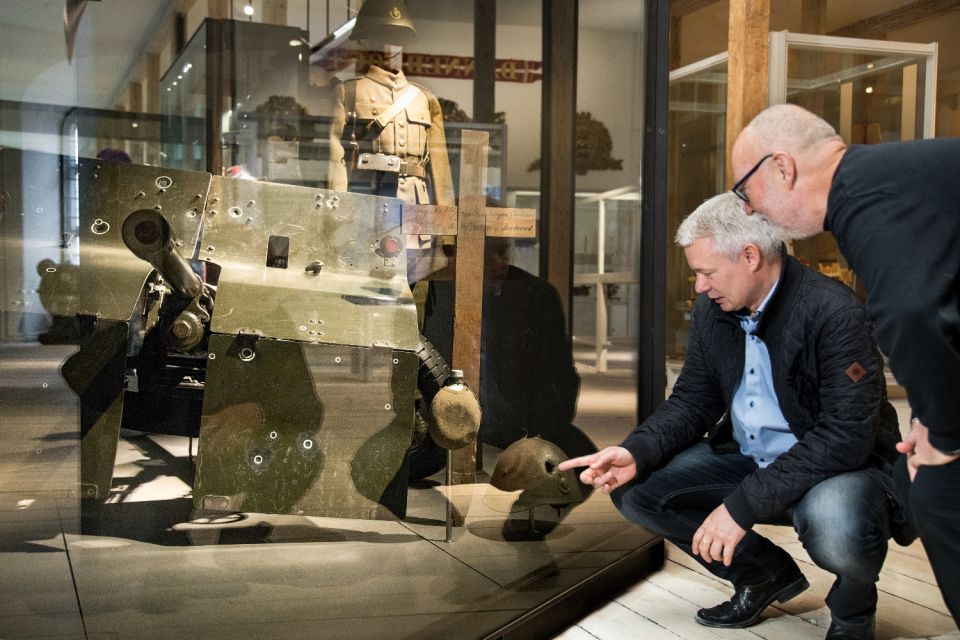
Let’s talk about the part that grabs you fast. When you step into that first-floor hall, the 163 meters length becomes part of the exhibit. It’s the kind of space that makes even a casual walk feel like a slow procession.
Then the armor comes into focus. This museum isn’t shy about showing the shiny stuff: you can marvel at the armor and weapons used throughout the centuries, including the standout displays of 15th-century Danish knights. In many museums, armor is just “cool metal.” Here, it also functions as evidence—proof that different eras demanded different solutions for survival, mobility, and protection.
You’ll get a feel for how battlefield roles evolved. Even without reading every label, the comparison is obvious: older armor is built around physical defense and close combat, while later war storytelling shifts toward larger systems and newer forms of threat.
If you’re someone who likes photo opportunities, this is also where you’ll find the most dramatic angles. Just keep your expectations realistic: the point is looking and learning, not rushing for selfies.
Artifact Highlights: Bones, Biscuita, and the American Civil War Uniform
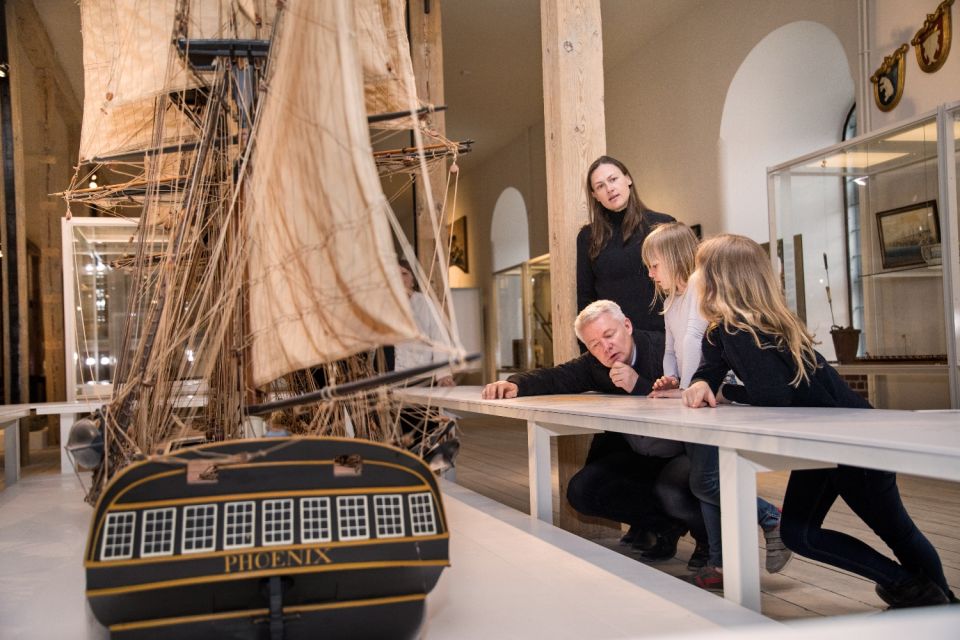
The Danish War Museum has a talent for mixing “serious and impressive” with “wait, what is that?” details. Those oddball artifacts are where the museum becomes memorable.
Here are three highlights you should look for as you go:
- A ship model made of bones
This is exactly the kind of artifact that stops you mid-walk. It’s unusual, and it makes you think about how war leaves behind more than headlines.
- A 150-year-old Biscuita military car from Afghanistan
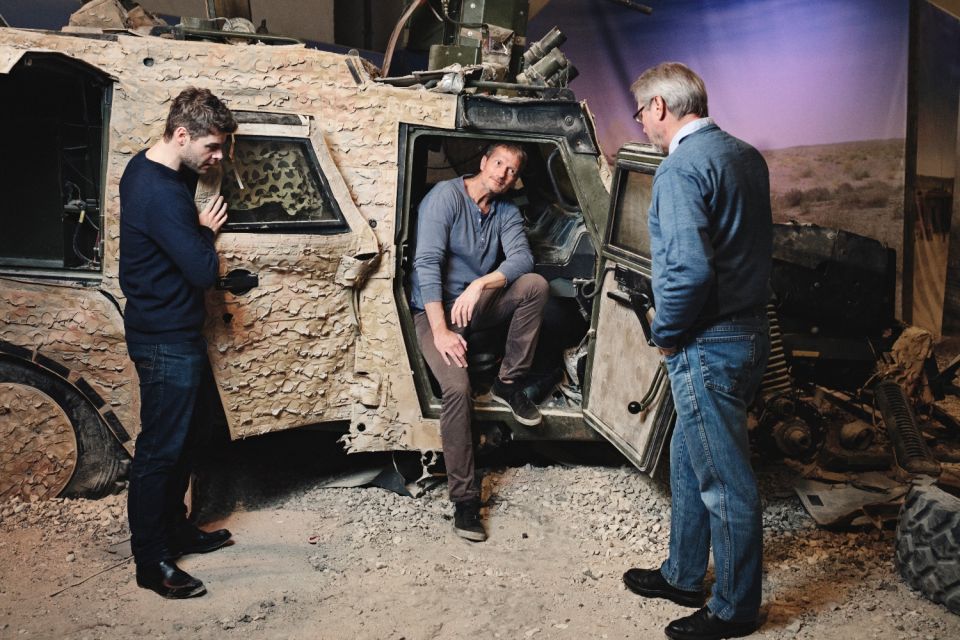
The museum includes a story about a Biscuita military car that ran over a roadside bomb in Afghanistan—but everyone survived. That combination of a specific vehicle and a specific outcome gives the display a human punch. It also shows how war history isn’t only battles and dates; it’s logistics, transport, and risk management.
- The world’s only complete example of a uniform from the American Civil War
A complete uniform is a powerful object because it captures an entire identity in one package: materials, design choices, and how uniforms communicated rank and function. The museum’s claim of being the world’s only complete example is the kind of detail that makes you pause and take a closer look.
These displays work because they break the “museum = uniform objects” pattern. Instead, you get variety in form and tone, which helps keep a long visit interesting.
You can also read our reviews of more museum experiences in Copenhagen





World War II, the Cold War, and Denmark’s Shifting Role
If you’ve visited other European museums, you know how WWII galleries can be heavy. This one handles modern eras in a way that links back to earlier questions: what threats exist, how countries respond, and how conflict changes everyday reality.
You’ll see how World War II and the Cold War affected Denmark, and you’ll also see how Denmark’s role extends into 21st-century conflicts. The museum keeps the storyline Denmark-focused, so you don’t feel like you’re just touring someone else’s war narrative.
A good way to approach this section is to focus on the “what changed” theme. When you compare the Cold War era displays to what comes later, you start to understand the shift from conventional military thinking toward threats shaped by intelligence, deterrence, and technology.
If you’re short on time, don’t skip these parts. They’re crucial for understanding why later exhibits—like drones—feel urgent rather than theoretical.
Hammock Break: Danish Stories from the Seven Seas
One of the strangest delights is also one of the most thoughtful: you can relax in a hammock and listen to Danish stories from the seven seas.
That might sound like a gimmick until you think about what it’s doing. The museum is filled with war artifacts and conflict timelines, and this is a planned reset. It also broadens what “war museum” can mean. Denmark’s connection to the sea—trade routes, navigation, danger, power—helps explain why stories of conflict aren’t only land-based.
Use this moment strategically. When you come here after you’ve seen the hardest-hitting sections, the hammock time gives your brain a chance to process what you just read. If you do it too early, you might miss how much contrast it provides.
Even if you don’t listen to every audio segment, the physical change of pace is worth it.
The New Spot Exhibition on Drones: Fear, Sensors, and the Future of War
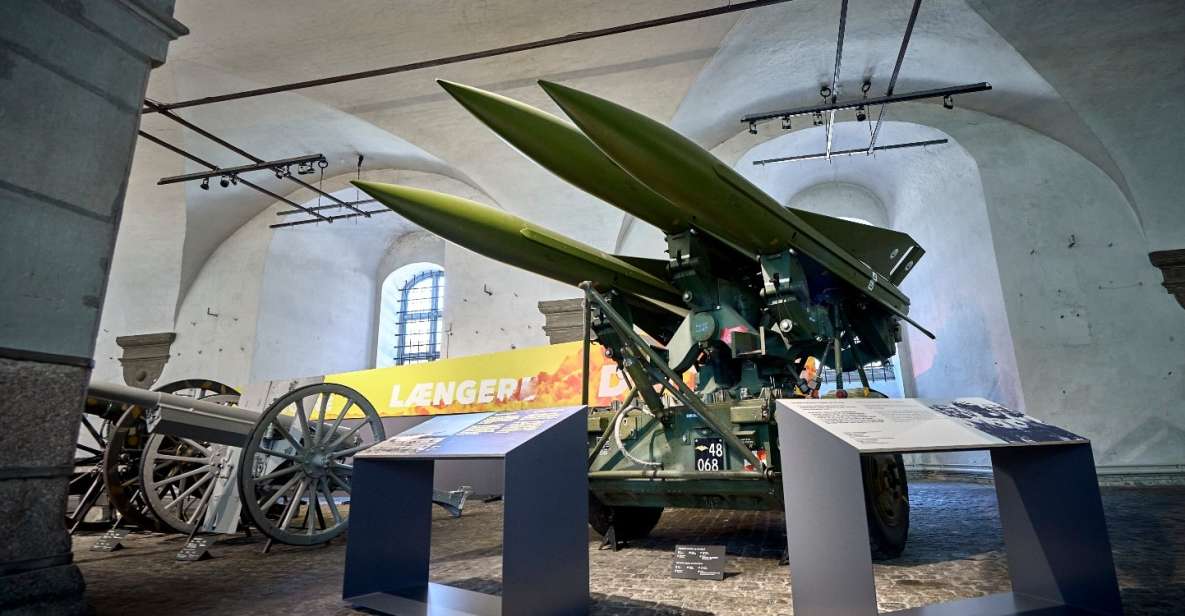
The museum has a current spot exhibition focused on drones and their impact on how wars are fought. The theme is simple and unsettling: Have drones changed the way we wage war?
Inside, you’re guided through questions and scenarios built around what drones can do—monitoring, dropping bombs, and spreading fear in places where soldiers and civilians are both at risk. The museum also points to the role of cameras and sensors: the idea that with unmanned systems, someone or something can see you everywhere.
This part of the museum feels like it belongs in a technology or ethics lecture too. It isn’t only describing a gadget. It’s asking harder questions:
- What happens if drones develop into autonomous killing machines?
- Can defense systems stop drone attacks effectively?
The museum notes that Danish defense has the tools at its disposal today, and the exhibit frames the future as an ongoing challenge rather than a solved problem.
How to experience this section: treat it as reflective. If you’re the type who likes to keep emotions out of museums, you’ll still likely feel the tension here because the topic is directly tied to recent real-world reporting. It’s not graphic in the details you’re given here, but the core idea is serious.
Price and Time Planning: Is $20 Worth It?
At about $20 per person for a 1-day visit, this ticket is priced like a serious city museum stop, not a quick roadside attraction. The value comes from three things:
- You get a long timeline (1500s to present) rather than a narrow theme.
- You get a mix of display types, from big armor pieces to models and unique objects.
- You get a full building experience, including the long 163-meter hall and the hammock storytelling area.
If you’re doing Copenhagen on a budget, it’s worth comparing this against other museums in terms of hours. This one has the potential to fill a day, especially if you stop for slower reading and audio listening.
My practical tip: build a 2- to 3-hour minimum block into your schedule, then add more if you’re interested in modern conflicts or the drones exhibit. If you try to do it in 45 minutes, you’ll leave feeling like you rushed past the point.
Who Should Book This War Museum Ticket?
This experience fits best if you want more than “history as dates.” You’ll enjoy it if you like:
- clear storytelling across centuries
- striking visual displays like knight armor
- artifacts with unusual stories (bones model, biscuit car story, complete Civil War uniform)
- an experience that includes a break (hammock) rather than nonstop solemnity
- a modern lens that connects history to today’s tech (drones spot exhibition)
If you come just to kill time, you might find some sections heavy. If that’s you, go anyway but plan pacing. Stop when you need to. Use the hammock break. Spend time in the hall where you can just look and take in the scale.
Should You Book the Danish War Museum Ticket?
Yes, I’d book it if you want a day that’s educational, visually memorable, and genuinely different from the usual art-heavy museum route in Copenhagen. The 1604 Tøjhus Arsenal setting, the 163-meter first-floor hall, and the blend of classic armor with odd-but-meaningful objects make it worth your time. Add in the hammock storytelling and the spot exhibition on drones, and you get both a break and a jolt.
Skip it only if you strongly dislike war themes or you know you can’t handle topics involving modern conflict and future battlefield tech. Otherwise, this is a strong “one museum day” choice.
FAQ
How long is the Danish War Museum ticket valid?
The ticket is valid for 1 day.
What is included with the $20 ticket?
It includes admission to the Danish War Museum.
Where is the museum located, and what building is it in?
It’s in the historic Tøjhus Arsenal building, built by Christian IV in 1604.
Is there an elevator to reach the first-floor exhibitions?
No, there is currently no elevator to help people reach the exhibitions on the first floor.
What are some must-see items at the museum?
Highlights include 15th-century knight armor, the 163-meter first-floor hall, a ship model made of bones, a 150-year-old Biscuita military car story tied to a roadside bomb incident in Afghanistan, and a complete American Civil War uniform. There’s also a spot exhibition on drones.
Can I bring a wheelchair or baby carriage?
Yes, you can bring your own wheelchair or baby carriage.