REVIEW · COPENHAGEN
Copenhagen: Guided City Highlights Tour
Book on GetYourGuide →Operated by Amitylux www.amitylux.com · Bookable on GetYourGuide
Copenhagen hits different when you walk it. This 3-hour small-group guided tour mixes major sights with stops in lesser-known areas, then ties it all together with local history you can actually use. You’ll meet at Café Fiol and keep moving through the city with an English-speaking guide (rain or shine).
What I like most: you get Nyhavn canal-side charm plus other top stops like Amagertorv and Christiansborg Palace, with the cultural meaning explained as you see it. I also love that the route isn’t only postcard-famous—your guide steers you toward quieter streets and districts so you come away with a clearer sense of how Copenhagen works day to day.
One drawback to plan for: it’s still a walking tour for 3 hours, and it’s not suitable for mobility impairments. If you hate cobblestones, or you’re arriving with luggage, this isn’t the format to pick.
In This Review
- Key points to know before you go
- Starting at Café Fiol: where the walk really begins
- Nyhavn’s canalside houses and the stories behind the view
- Amagertorv: a medieval square with modern-day energy
- Christiansborg Palace: Denmark’s parliament in plain sight
- The Little Mermaid area and Copenhagen’s iconic photo points
- Off the tourist trail: the quieter districts your photos won’t find alone
- How the small group (10 max) changes the whole tour
- Price and value: is $75 worth it?
- Comfort details that can make or break your day
- Who should book this tour, and who should skip it
- Should you book this Copenhagen highlights tour?
- FAQ
- How long is the Copenhagen guided city highlights tour?
- What is the meeting point?
- Is the tour in English?
- How many people are in the group?
- Is the price $75 per person, and what’s included?
- Are entry tickets included?
- Does the tour operate in bad weather?
Key points to know before you go

- Small group (max 10): you get more chances to ask questions and keep the pace comfortable
- Iconic stops with context: Nyhavn, Amagertorv, and Christiansborg Palace aren’t just seen, they’re explained
- Off-the-usual-route wandering: your guide points you to lesser-known districts so you don’t only skim the center
- English live guide: commentary stays interactive and question-friendly throughout the walk
- Weather-ready touring: it runs rain or shine, so packing smart matters as much as timing
Starting at Café Fiol: where the walk really begins
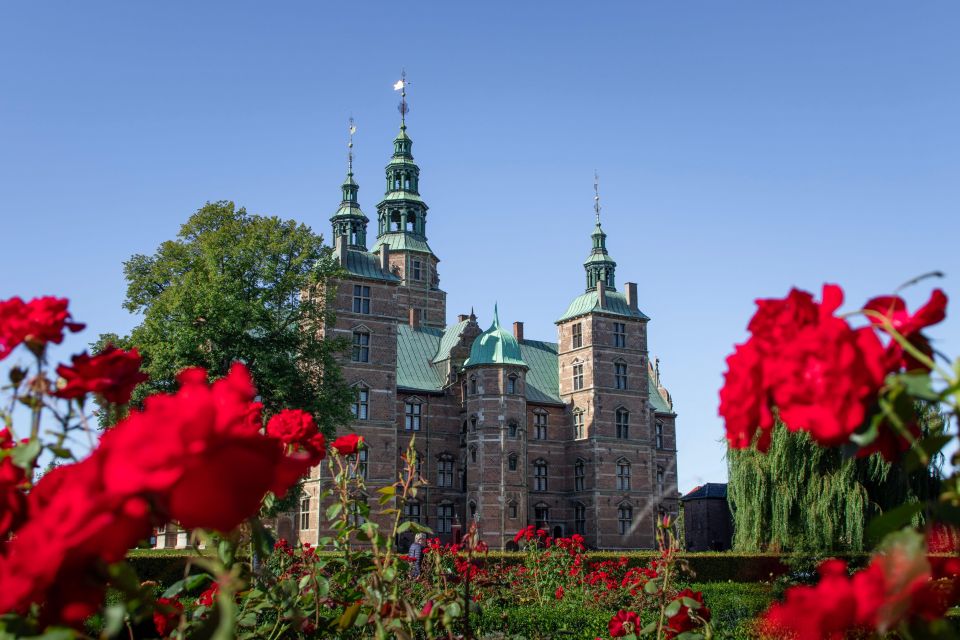
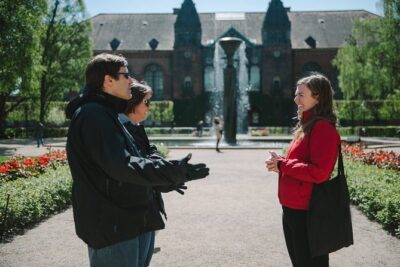
Meet in front of Café Fiol coffee shop, a simple, central anchor point that makes it easy to find the group and start on time. That matters on a short tour. With only three hours, you want your first 10 minutes to count, not vanish into confusion.
Once you’re together, the tour style is clear: you’re walking a loop of highlights, then cutting away from the busiest routes to see the city’s other side. The guide’s job isn’t just to point out buildings. They connect each stop to what it means in Copenhagen’s culture and history, so you’re not collecting names—you’re building a mental map.
If you’re the kind of traveler who likes to orient quickly (I am), this format helps. By the end, you’ll usually feel confident enough to explore on your own without feeling lost in big-city maze-mode.
You can also read our reviews of more guided tours in Copenhagen



Nyhavn’s canalside houses and the stories behind the view
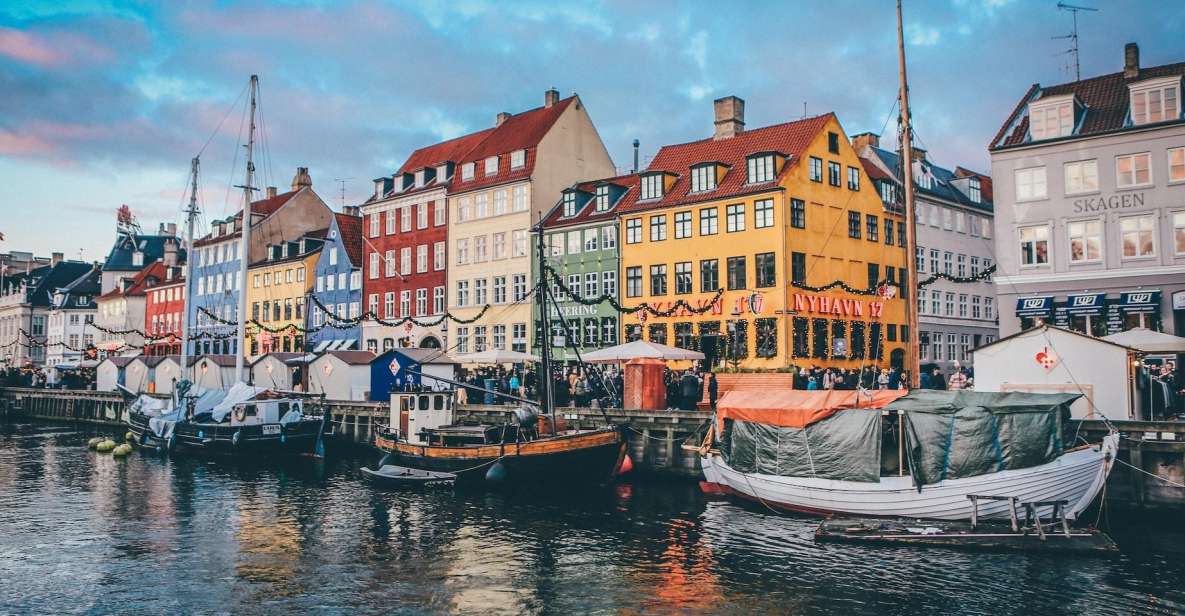
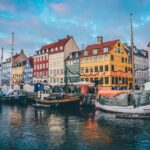
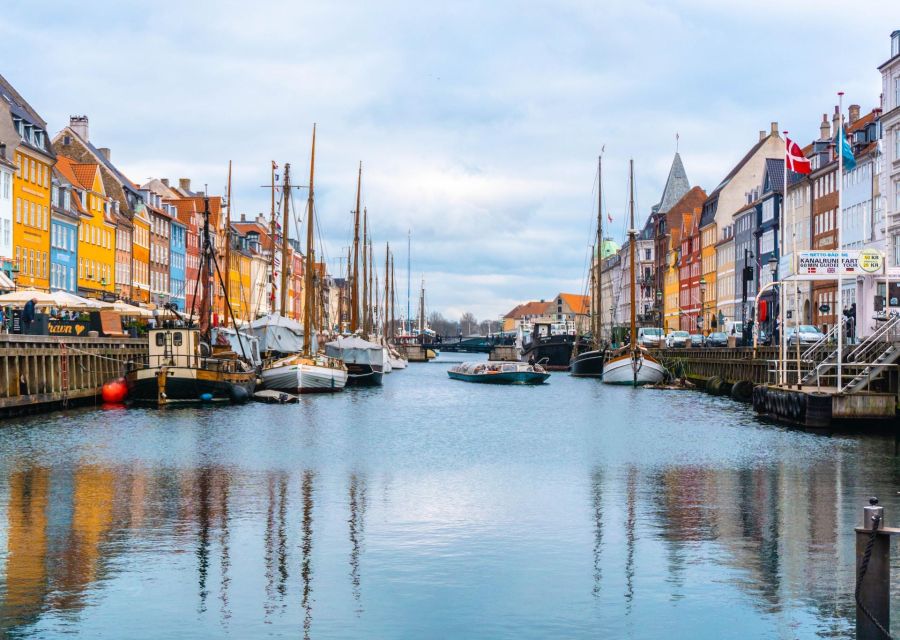
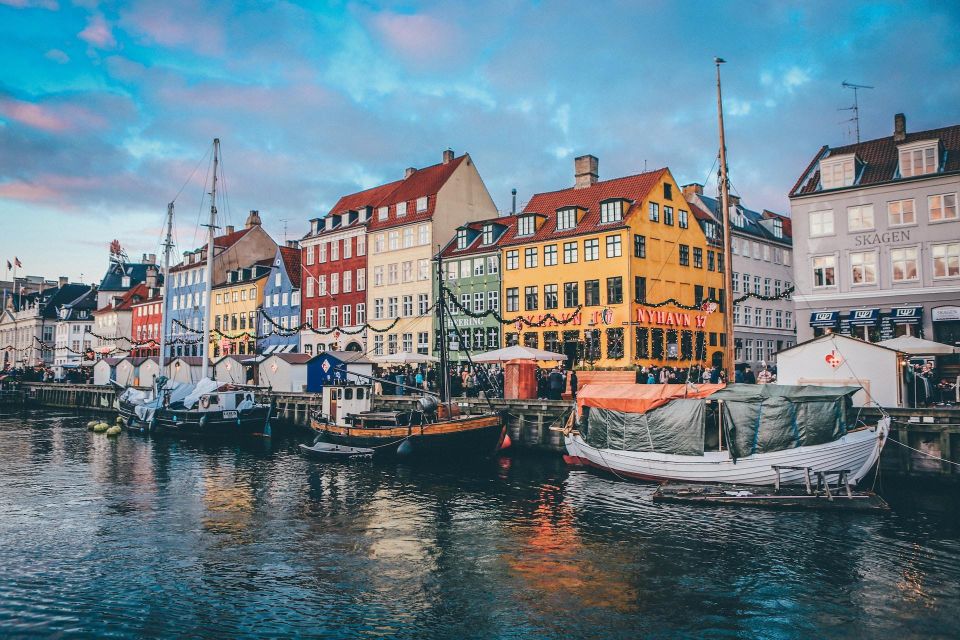
Nyhavn is the kind of place you already think you know from photos. The difference here is what happens on the walk: you slow down just enough to notice the details, then you get the meaning behind what you’re seeing. You’re not being rushed past the canal facades; you’re getting commentary about the district’s cultural significance as you take it in.
This stop is also a good “reset” point mid-tour. It’s easy to get sightseeing fatigue in a new city. Nyhavn gives you an atmospheric break—colorful canal-side scenes, street-level life, and the feeling that you’re watching Copenhagen rather than visiting a theme park.
Practical tip: bring your warm layer. Even when it’s not freezing, waterfront air can feel sharper, and the tour continues on your feet.
Amagertorv: a medieval square with modern-day energy
Amagertorv is described as a medieval square, and on this tour you’ll experience it as a living public space, not a museum label. The guide’s explanation is what turns the square from background scenery into something you can read.
A square like this does two useful things for you as a visitor:
- It gives you a grounding moment. You can feel how older city layouts shape how people move now.
- It sets context for the next stops. Once the guide frames the square, later landmarks make more sense, because you’re not just memorizing highlights—you’re understanding the “why” behind them.
I like how this stop is timed for understanding. It’s early enough to help your brain organize what you’ll see next, but not so early that it becomes information overload.
Christiansborg Palace: Denmark’s parliament in plain sight
Christiansborg Palace is home of the Danish parliament, and that detail is a big part of why this stop works. You’re not just seeing impressive architecture—you’re seeing where governance happens in Denmark.
On a highlights tour, this kind of political stop can be a trap if the guide skips the human story. Here, the tour is built around the idea that you’ll learn the history behind each turn with thoughtful commentary. So you’ll understand why this place matters, not only where it is.
If you’re curious about how countries function beyond the tourist brochure, this is one of the most satisfying stops. It connects Copenhagen to real civic life, and it helps you shift from “Where is the next photo?” to “What does this city value?”
The Little Mermaid area and Copenhagen’s iconic photo points
One reason walking tours are so useful in Copenhagen is that the city’s icons can be seen in a sequence, almost like chapters. A number of guides include time near well-known landmarks, and the Little Mermaid area comes up as a recognizable highlight.
Here’s the key: don’t treat that landmark like a standalone must-see. Treat it like a waypoint in the story the guide is building. When the guide explains the surrounding area and the symbolism people attach to it, the stop feels less like a checklist item and more like an entry into Copenhagen’s identity.
If you’re hoping for a perfect photo, keep expectations realistic. This is a city spot. People will be around. Your best move is to focus on the moment you can control: where you stand, how you frame the shot, and how quickly you move once you’re done.
You can also read our reviews of more city tours in Copenhagen




Off the tourist trail: the quieter districts your photos won’t find alone
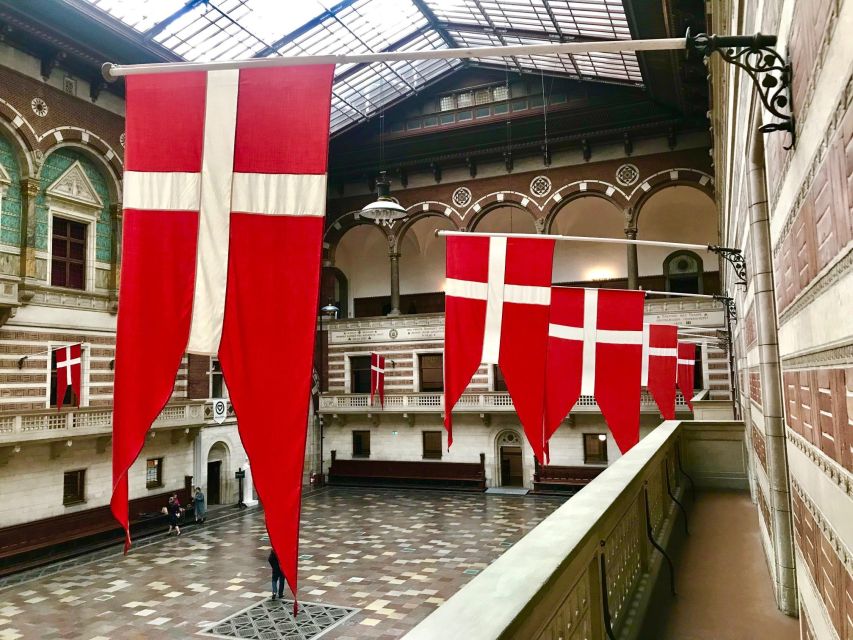
After the main landmarks, the tour veers off the tourist trail to uncover tucked-away corners in lesser-known districts. I like this part because it’s where you start to see the difference between Copenhagen as a destination and Copenhagen as a place locals actually use.
This segment is also where the guide’s personality shows. If your guide is sharp, you’ll leave with practical cues—what the streets feel like at ground level, what kinds of neighborhoods you’re walking through, and how the city’s layout changes as you move away from the busiest zones.
It also helps future planning. Once you understand the “shape” of the city, you can make smarter choices later: what to revisit, what to skip, and where to spend extra time without guessing.
How the small group (10 max) changes the whole tour
This is limited to 10 participants, which is a sweet spot for a walking tour. In a large group, you get a lot of staring and not much dialogue. Here, it’s easier for the guide to keep everyone together and answer questions without turning it into a one-way lecture.
What you’ll likely notice in practice:
- Better pacing. The walk doesn’t feel like a race between photo stops.
- More chances to ask what you really care about—history, daily life, or where to go next.
- A more personal feel when the guide adjusts to the group’s energy.
I’ve also found that smaller groups make weather less annoying. When it’s raining, everyone’s still wet—but it’s easier to regroup and keep things flowing.
Price and value: is $75 worth it?
At $75 per person for a 3-hour walking tour, the value depends on one thing: whether you’ll use the guide as more than a walking soundtrack.
Here’s why it can be worth it:
- The guide is included, and you’re getting live English commentary built around cultural significance and history behind what you see.
- You cover multiple major sights—Nyhavn, Amagertorv, Christiansborg Palace—plus the lesser-known districts that are harder to discover on your own quickly.
- You’re not paying for entry tickets here. That can be good value if you want flexibility on what you do afterward.
If you’re the type who only enjoys sightseeing when it comes with a ticketed interior visit, this might feel a bit “outside-only.” Entry tickets aren’t included, so you’ll need to choose separately if you want to go inside specific sites later.
Still, for many first-timers, the tour’s real payoff is orientation and context. It helps you spend the rest of your trip more intentionally.
Comfort details that can make or break your day
The tour runs rain or shine, so dress like Copenhagen weather will have a vote. You’re told to bring comfortable shoes, warm clothing, and rain gear, plus general weather-appropriate clothes.
Also note what you can bring: luggage or large bags aren’t allowed. That’s a practical rule, and it’s one reason this tour feels easy once you’ve traveled lightly.
My advice:
- Wear shoes that are happy on cobblestones and wet pavement.
- Bring a waterproof layer you’ll actually wear, not one you hope you’ll need.
- Keep your bag small enough to stay out of the way for a whole walking circuit.
If you’re visiting in cold or rainy season, you’ll be glad you packed for staying outside the full time.
Who should book this tour, and who should skip it
This is a great fit if you want:
- A short introduction to Copenhagen’s main highlights plus quieter areas
- A guide who explains meaning, not only location
- A small-group walking pace (max 10)
- English commentary
It’s less ideal if:
- You can’t manage several hours of walking or uneven ground. The tour is explicitly not suitable for people with mobility impairments.
- You’re traveling with big luggage (also explicitly not allowed).
If you’re traveling with teens or adults who like discussion, it’s usually a win because the guide can answer questions while you move. And if you’re more hands-off, you can still enjoy it by focusing on the stops and using the guide’s recommendations to plan what comes next.
Should you book this Copenhagen highlights tour?
I’d book it if you’re visiting Copenhagen for the first time and you want a fast, guided orientation that includes both icons and lesser-known streets. The combination of Nyhavn, Amagertorv, Christiansborg Palace, and the off-the-usual-route walking makes it a smart way to learn the city’s “why” instead of just ticking off “where.”
Skip it if you need lots of indoor ticketed time, or if mobility is an issue. Also, if you hate weather-based reality, remember it runs rain or shine—so your clothing choices really matter.
For most people, this tour is one of those trips that earns its cost in the first week of your itinerary: it helps you move through Copenhagen with confidence, and it gives you context for everything you’ll see after.
FAQ
How long is the Copenhagen guided city highlights tour?
It lasts 3 hours.
What is the meeting point?
Meet in front of Café Fiol coffee shop.
Is the tour in English?
Yes, the live tour guide speaks English.
How many people are in the group?
It’s a small group limited to 10 participants.
Is the price $75 per person, and what’s included?
The price is $75 per person. The tour includes a tour guide and a walking tour.
Are entry tickets included?
No, entry tickets are not included.
Does the tour operate in bad weather?
Yes. It operates rain or shine.