REVIEW · COPENHAGEN
Copenhagen: Group Walking Tour – City Highlights – 2 Hours
Book on GetYourGuide →Operated by Politically Incorrect Tours Copenhagen · Bookable on GetYourGuide
A city tour that fights with laughter. This 2-hour inner-city walk gives you Copenhagen’s biggest landmarks without feeling like homework, mixing street-level stories with politically incorrect humor that keeps the pace light. You’ll see the kind of places you recognize from films and postcards, but the guide’s jokes and odd historical side-notes turn them into something you’ll remember.
What I like most is the way the tour packs in a stack of central sights in just 120 minutes—so you’re not bouncing around half the day. I also like the practical feel: built-in GPS guidance means you can look up and enjoy the walk instead of constantly checking your phone. The main drawback is that the humor can be pleasantly offensive by design, so if certain topics upset you, you’ll likely want to skip this one.
Before you go, know this is an English-led experience. The tour makes a point that you need solid English understanding to catch the jokes and the historical explanations, and you should arrive ready to laugh at stories that get a bit dark. It also moves with a group pace—at times, that can be quick, and the tour may be challenging if you need extra time to keep up.
In This Review
- Key things to know before you pick a Copenhagen highlights walk
- Why this Copenhagen highlights walk feels different from the usual tours
- Price and value: is $39 for 2 hours a fair deal?
- Meeting at Gammel Strand: get the start right and you’ll enjoy the walk more
- The first half: from Absalon’s statue to Strøget’s shopping street
- Royal squares and grand storefronts: Kongens Nytorv, Magasin, and Hotel D’Angleterre
- Nyhavn: where the tour’s pacing suddenly feels worth it
- Ending in royal Denmark: Amalienborg and the Marble Church
- Humor and history: how politically incorrect storytelling should feel
- Walking pace, group size, and who this tour suits best
- Practical extras that make a difference on the day
- Should you book Copenhagen: Group Walking Tour – City Highlights?
- FAQ
- Where does the tour start?
- What time does the tour end?
- How long is the Copenhagen city highlights walking tour?
- Is the tour guided in English?
- Are entrance fees included?
- Is the tour wheelchair accessible?
- Can children join?
- How early should I arrive?
- What’s the cancellation policy?
Key things to know before you pick a Copenhagen highlights walk
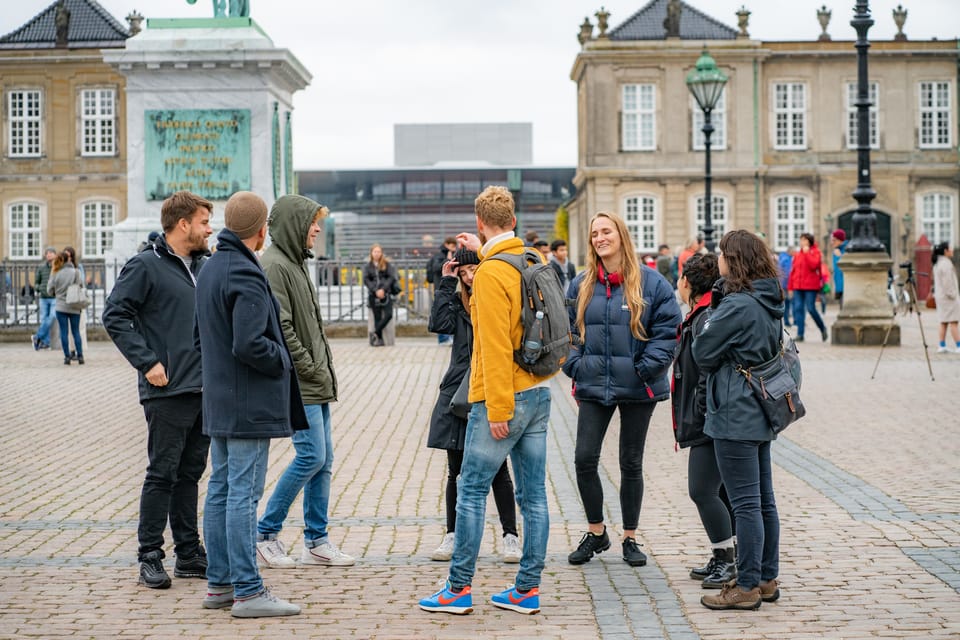
- Orange umbrella meeting point: Start outside Gammel Strand Metro, between the station entrance and the horse statue of Bishop Absalon.
- GPS built into the plan: You’ll be guided without constant phone map checks, which helps when battery life is low.
- A “no traditional history lecture” style: Expect jokes woven into Denmark’s royalty and fairytale-linked stories.
- 11+ central sights in 2 hours: You’ll hit major streets and buildings from Strøget to Nyhavn to royal Denmark at Amalienborg.
- English is mandatory: If you don’t read and understand English comfortably, you’ll lose too much.
- Timing matters: Arrive 15 minutes early or the tour isn’t guaranteed if you’re late.
Why this Copenhagen highlights walk feels different from the usual tours
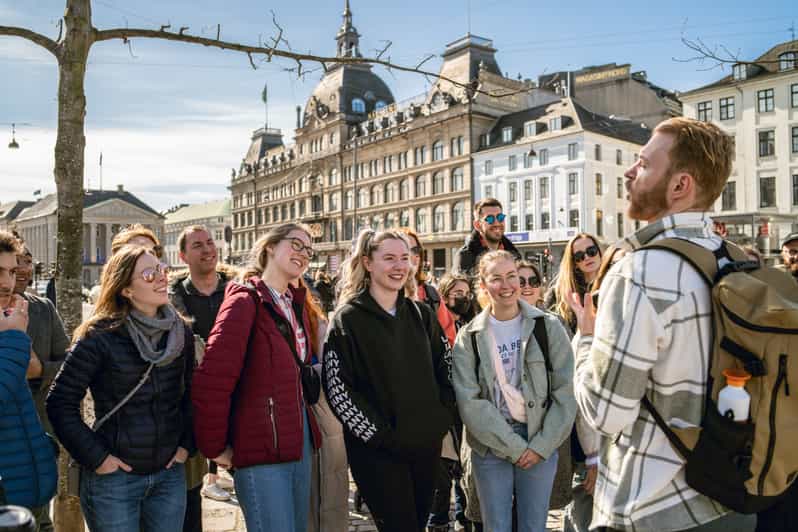
Copenhagen is full of beautiful buildings, but the usual sightseeing routine can feel the same after a day or two: stand still, listen, take photos, move on. This tour changes the vibe on purpose. The guides aim to keep you amused while they explain how Copenhagen’s past shaped what you’re seeing today—royalty, myths, and the darker bits of history folded into quick storytelling.
One of the smartest choices here is how they treat the walk as the product. You’re moving through the center on cobblestones with a route built around the places that define the city on a first trip. That means you’re not just collecting facts—you’re getting a mental map of how different Copenhagen neighborhoods connect.
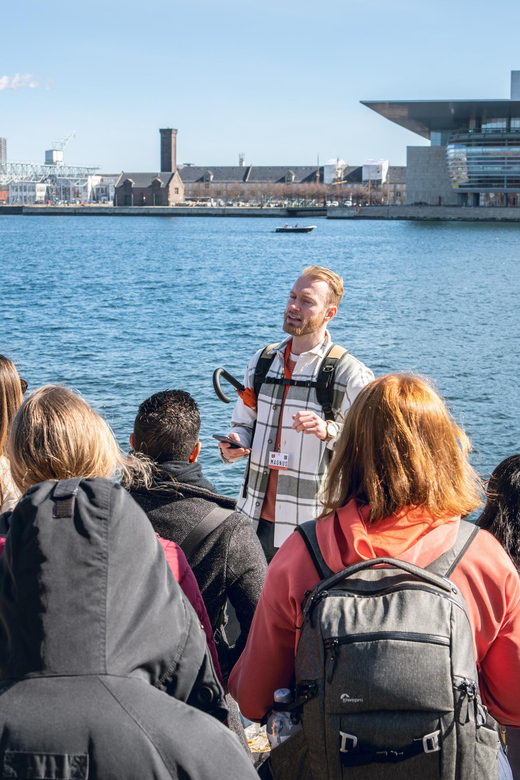
The other big draw is the guide style you’ll likely notice right away. Names that come up for this walk include Thor, Steen, Sebastian, Roger, Magnus, Martin, Paul, and Conrad. Different personalities, same concept: history plus comedy. On cold or windy days, that energy really matters because it keeps the experience from dragging.
The final consideration is also the one most likely to make or break your trip: the humor is meant to be “politically incorrect,” and it can touch sensitive ground. The organizers are clear about it, and so should you be about your own boundaries. If you want a classical, neutral tour voice, this isn’t that.
You can also read our reviews of more walking tours in Copenhagen


Price and value: is $39 for 2 hours a fair deal?
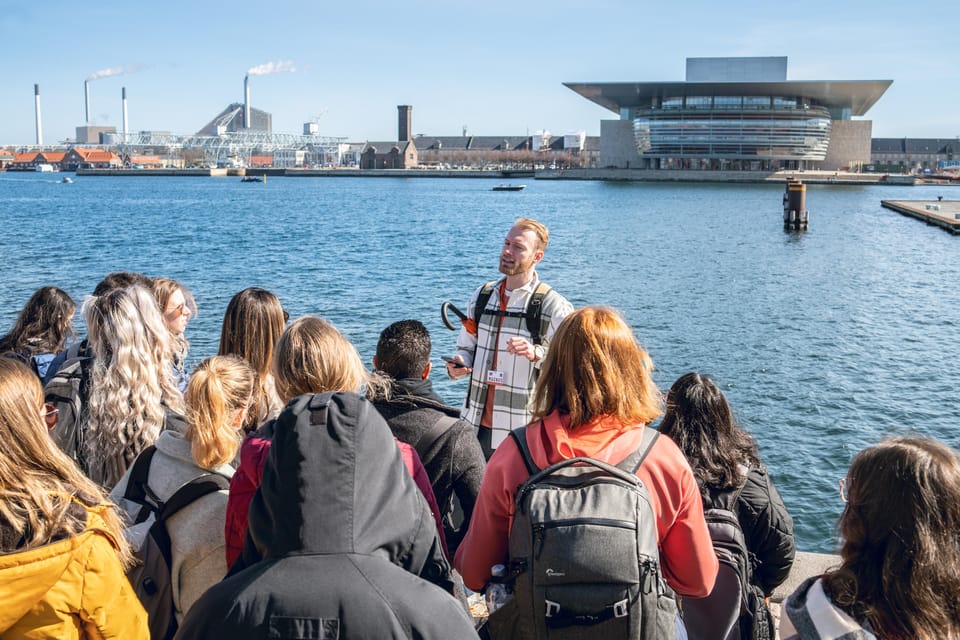
At $39 per person for 2 hours, you’re paying for a live guide plus a tight route through Copenhagen’s core. That price makes sense if you look at what you’re actually buying: guided access to multiple top central sights, plus context that helps you understand what you’re seeing. You also avoid the most time-costly part of many tours: figuring out where to go next.
Entrance fees aren’t included, but for an outdoor highlights walk, that’s normal. Your money goes toward interpretation and pacing—getting you from landmark to landmark with a coherent story thread and practical tips along the way.
If you’re visiting Copenhagen for the first time, a guided highlights walk can also save you planning time. You’ll often leave with a clearer sense of which museums or churches deserve your limited time later—so the tour becomes less “paid sightseeing” and more “smart direction.”
Meeting at Gammel Strand: get the start right and you’ll enjoy the walk more
This tour starts outside Gammel Strand Metro Station. The key detail is easy to miss: you should find the group between the metro entrance and the statue of Bishop Absalon, and look for the orange umbrella.
Plan to arrive 15 minutes early. The tour notes that it isn’t guaranteed if you’re late, and in practice that matters. Walking tours live or die by timing. If you arrive at the last minute, you may spend the first stretch trying to catch up instead of settling in.
One more practical win: the tour uses built-in GPS guidance, so you’re less likely to be stuck with your head in your phone. Copenhagen center streets are straightforward, but it still helps when the guide is taking you door-to-door from landmark to landmark without confusion.
The first half: from Absalon’s statue to Strøget’s shopping street
Statue of Absalon is your opening beat, and it’s a strong choice because it anchors you in the area’s story before the route starts climbing into the “what to see today” phase. You’ll start in the city center, then gradually connect how early Denmark links to the grander royal and civic sites you’ll see later.
Next up is Christiansborg Palace. Even if you only glance at it from the sidewalk, it signals that you’re in Copenhagen’s official heart. This is the kind of stop that pairs well with a guide who can explain why a building matters beyond its façade.
Then you move to Skt. Nicolai Church, a stop that helps balance the royal and civic pieces with something older and more human in scale. Churches often work as waypoints, and in a tour like this, they also give you a chance to hear how Denmark’s culture, faith, and public life have been tangled together over centuries.
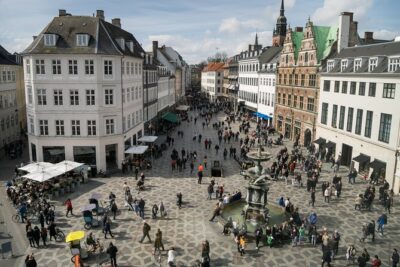
After that comes Strøget, the famous pedestrian street. This is where you’ll feel Copenhagen as a living city—people moving, shops and cafés lining the route, and the energy that makes the center feel easy to enjoy. The guide’s job here is to keep it from becoming only a stroll by turning the street into a story: what it was, what it became, and why it’s still central to the city’s identity.
A tour like this works best when it gives you both sides: the “you can see it right now” version and the “now you understand why this spot matters” version. Strøget is one of the best places to do that.
Royal squares and grand storefronts: Kongens Nytorv, Magasin, and Hotel D’Angleterre
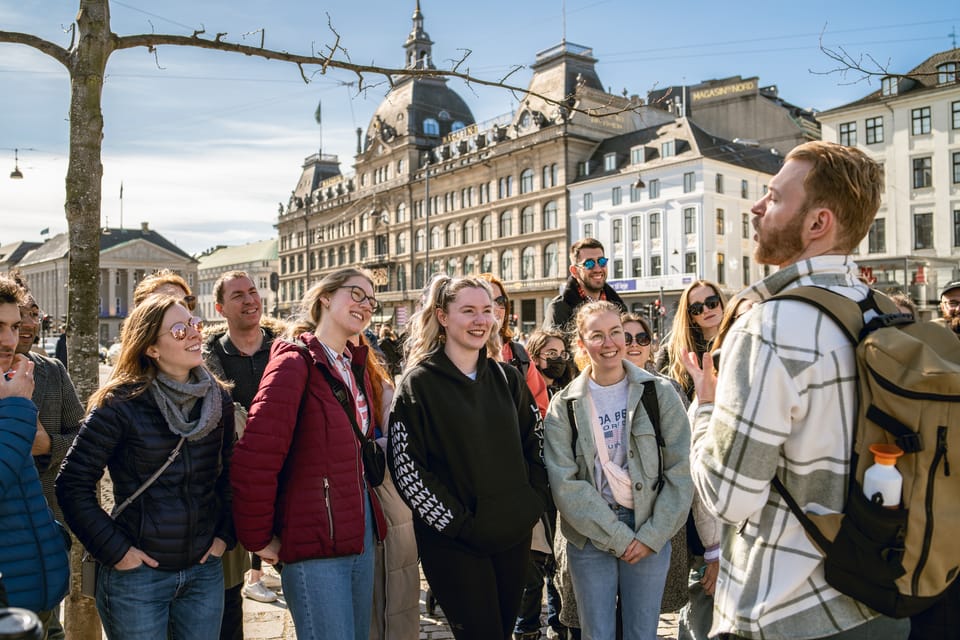
From Strøget, the walk continues toward Kongens Nytorv. Squares are natural storytelling stages because they give you room to imagine past ceremonies and daily life. Even if you’re not a history deep-dive person, a good guide can make a square feel like a real stage where power and ordinary routine meet.
Next is Magasin Du Nord. This stop is more about texture than monuments. Big department stores, especially in central cities, tell you how modern Copenhagen shares space with older urban structures. It’s a reminder that the city isn’t only castles and churches—it’s also retail streets, money, and changing lifestyles.
Then you pass by Hotel D’Angleterre, another location that signals status and polish. It’s an easy stop to make fun of in a comedic tour because it naturally invites questions like who it serves, why it’s here, and how Copenhagen built an image people want to experience.
You also stop at the Royal Theatre, which helps round out the cultural side of the city highlights. Even a short pause is useful because it gives you a sense of Copenhagen as more than “pretty architecture.” It’s a place that built cultural institutions—and still treats art as part of everyday civic life.
You can also read our reviews of more city tours in Copenhagen




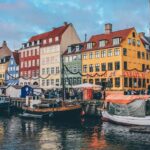
Nyhavn: where the tour’s pacing suddenly feels worth it
When you reach Nyhavn, the city changes. The atmosphere shifts from shopping streets and official squares into something that feels more like a harbor memory. It’s the kind of location where you’ll likely want photos, but it’s also where a guide can connect the past to what you see today without turning it into a lecture.
Nyhavn is a top stop because it gives your walk a satisfying payoff. Up to this point, you’ve been building a mental map: civic power, religious touchpoints, and central streets. Nyhavn is the moment where Copenhagen starts feeling like a complete city—waterfront identity, mixed eras, and a place where visitors and locals overlap.
The route also keeps moving toward the royal end of the tour, so Nyhavn works like a “breather” while still keeping momentum.
Ending in royal Denmark: Amalienborg and the Marble Church

The finale brings you to Amalienborg Palace, and from here you’re in Denmark’s royal zone. This is one of the stops where the guide’s story approach really matters. Royal sites can feel distant if you only treat them as photo backgrounds, but a guide who connects them to myths and historical quirks turns them into living context.
You’ll also be near the Marble Church, which works as a dramatic closing visual. Ending with a landmark that feels grand in shape and presence helps you wrap up your first-day orientation with something unforgettable.
If you’re lucky with timing, you may also catch moments connected to ceremonial movement. One guide reportedly helped a group line up with guard routines from nearby areas, and that’s exactly why the tour’s route planning feels more purposeful than random sightseeing.
Humor and history: how politically incorrect storytelling should feel
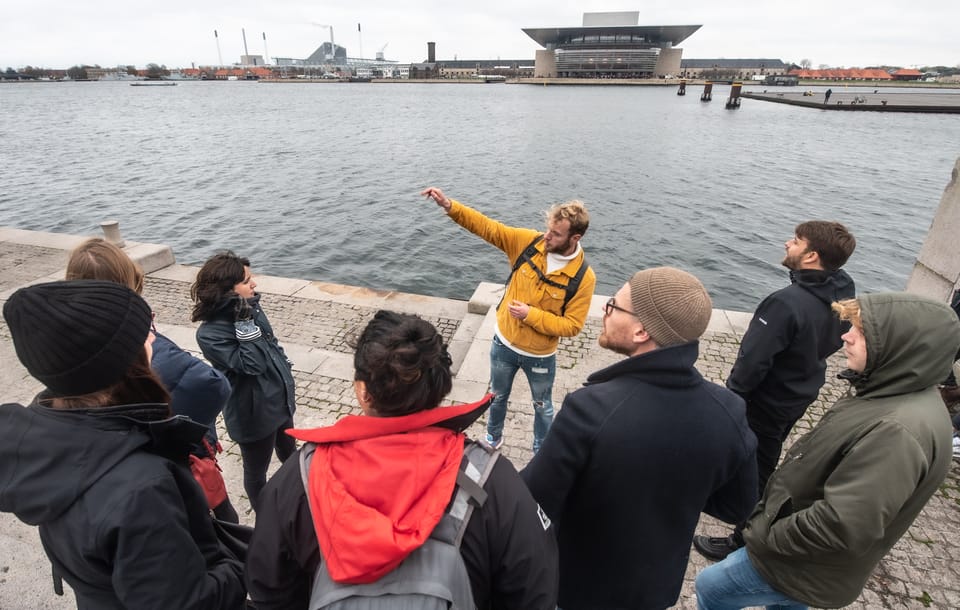
This is the part to be honest about, because the tour advertises itself as a blend of humor + history, with content meant to be “politically incorrect.” That means jokes aren’t decoration. They are the delivery system.
From the guide styles associated with this tour—names like Thor and Steen for example—you can expect fast-paced storytelling, group engagement, and lots of laughing. The goal is to keep you paying attention even when you’d rather scroll, and it often works because the stories don’t stop at dates. They connect Denmark’s royal narrative and fairytale world to what’s written into the city’s street layout.
Still, there’s a line you should take seriously: the tour also warns people who are sensitive about certain topics not to book. If you hate shock humor, you’ll probably feel uncomfortable. If you’re good with playful irreverence and you want a break from classic sightseeing tones, you’ll likely enjoy the approach.
A practical tip: the English requirement isn’t just about understanding words. It’s about timing—jokes land faster in real-time conversation than in your head. If your English is solid, you’ll get more out of the experience, especially when the guide is doing verbal set-ups and punchlines.
Walking pace, group size, and who this tour suits best
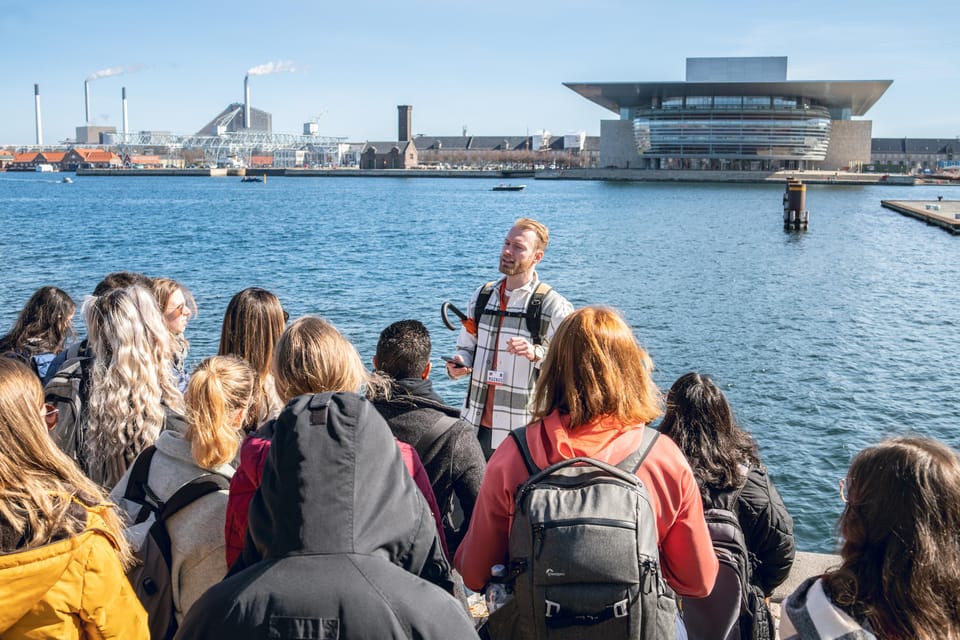
This tour is a walking tour, so you’re on cobblestones for two hours in central Copenhagen. Many people love that it’s not a marathon: it’s enough walking to see a lot, not enough to feel like a punishment.
But pace can be a consideration. One important note from the experience style: some groups can be on the larger side, and the guide may start talking before everyone has caught up. If you move slowly, need frequent pauses, or you’re managing reduced mobility, you may find it tough to keep together. That doesn’t mean you can’t do the tour—it means you should weigh your comfort with group pace.
Who I think should book:
- You want a first-trip orientation with major Copenhagen landmarks
- You like your city history told in a story voice, not a slideshow voice
- You want insider tips on where to eat and what to see next while you’re still fresh in town
- You enjoy comedy and don’t mind a few sharp edges
Who should skip:
- You’re sensitive about topics the guide might touch
- You prefer neutral, strictly academic explanations
- You need a slow, flexible pace
Practical extras that make a difference on the day
A few details can improve your enjoyment even before the first joke lands:
- Bring a charged phone even though GPS is built in. You may still want photos.
- Dress for Copenhagen weather. Cold snaps happen, and a high-energy guide can turn discomfort into a manageable part of the fun.
- Expect questions. Guides on this style of tour often answer and react to the group, which makes it feel less scripted.
Also, the guide may share additional travel help like free things to do or suggestions for places to eat and drink. Some guides have even shared discount-style codes for attractions—though I wouldn’t plan your whole trip around them.
Should you book Copenhagen: Group Walking Tour – City Highlights?
Book this tour if you want a fast, funny orientation to Copenhagen’s center—one that hits Strøget, Nyhavn, and the royal zone at Amalienborg in just two hours, guided by a person who uses jokes to keep attention strong. The orange umbrella meeting point and the GPS help make it easy to follow, and the overall pace feels designed for a “first day in town” plan.
Skip it if you want a classical history tour with a neutral voice, or if you’re not comfortable with the politically incorrect humor style. Also pass if group pacing could be an issue for you.
If your travel style is part sightseeing, part stories, and part laughing at the darker corners of culture, this is a solid way to start your Copenhagen trip on the right foot.
FAQ
Where does the tour start?
The tour meets outside Gammel Strand Metro Station, between the metro station entrance and the horse statue of Bishop Absalon. Look for the guide holding an orange umbrella.
What time does the tour end?
The tour ends next to the Amalienborg Royal Palaces and the Marble Church.
How long is the Copenhagen city highlights walking tour?
It lasts 2 hours.
Is the tour guided in English?
Yes. English is mandatory, and the tour is a live guide experience in English.
Are entrance fees included?
No. This is an outdoor tour, so entrance fees are not included.
Is the tour wheelchair accessible?
Yes, the tour is listed as wheelchair accessible.
Can children join?
Children are welcome. The guidance notes that most guides can keep most content around a PG-13 level.
How early should I arrive?
Arrive 15 minutes before the start time and meet at the orange umbrella. The tour is not guaranteed if you are not there on time.
What’s the cancellation policy?
You can cancel for a full refund up to 24 hours in advance.