REVIEW · COPENHAGEN
3h walking tour, small group max 10 people Copenhagen
Book on Viator →Operated by Amitylux · Bookable on Viator
Copenhagen feels cozy fast. This 3-hour small-group walk from Amitylux pairs hygge with real streets like Nyhavn and Amagertorv, and I love the max-10 size for actual conversation. One thing to plan for: it’s a true walking tour, and a couple stops have entry costs that are not included.
I also like the English-speaking local guides and the way they share practical next-step ideas after the walk. From the guide lineup in recent outings (Michele, Jose, Alex, Daniele, Dan, and Morgan), the common thread is friendly pacing and lots of answers, even on cold days.
In This Review
- Key takeaways before you go
- Getting your bearings fast on Copenhagen’s hygge trail
- Where you meet and how the route really works
- Stop 1: Nyhavn canals and the hygge mindset
- Amagertorv: the central square that links old trade and modern shopping
- Amalienborg Palace Museum: royal Denmark up close
- The Round Tower: Tycho Brahe’s astronomy story and a big Copenhagen view
- Christiansborg Palace, Copenhagen Cathedral, and Tivoli Gardens along the way
- Christiansborg Palace: government on an island
- Copenhagen Cathedral: layers of the same sacred site
- Tivoli Gardens: leisure history right in the center
- How much value you get for $50.79
- What the guides do well in real life
- Who this tour is best for (and when to skip it)
- Should you book this Copenhagen walking tour?
- FAQ
- How long is the Copenhagen walking tour?
- What is the group size?
- Is the tour offered in English?
- Do I need separate tickets for all stops?
- Where is the meeting point?
- Will the tour end at the same place?
- Do I need to bring money for food or transport?
- What is the cancellation policy?
- Is the tour suitable for everyone?
Key takeaways before you go
- Small group, real attention: max 10 travelers, so you can ask questions and keep up.
- Hygge gets explained in context: you don’t just hear the word, you see where it shows up in daily life.
- Iconic sights plus shorter detours: Nyhavn, Amagertorv, royal areas, and viewpoints, with some off-the-tourist-track moments.
- Round Tower is a highlight for reasons beyond photos: Tycho Brahe’s astronomy legacy is built into the story.
- A good pace for first-timers: 3 hours is long enough to get your bearings without turning into a marathon.
- You may pay separate admissions: Amalienborg Palace Museum and the Round Tower are listed as not included.
Getting your bearings fast on Copenhagen’s hygge trail
If this is your first trip to Copenhagen, you’ll feel the value right away. A walking tour does two jobs at once: you get orientation, and you start understanding how the city works. This one leans into the Danish idea of hygge, not as a buzzword, but as a lens for reading neighborhoods and routines.
You’ll walk through central areas where daily life and history overlap. The guide’s job is to connect the dots. Why are buildings shaped the way they are? Why do certain public spaces feel like meeting places? Why does a port-town street feel different from a palace square? That’s what makes this tour more than a checklist.
You can also read our reviews of more walking tours in Copenhagen


Where you meet and how the route really works
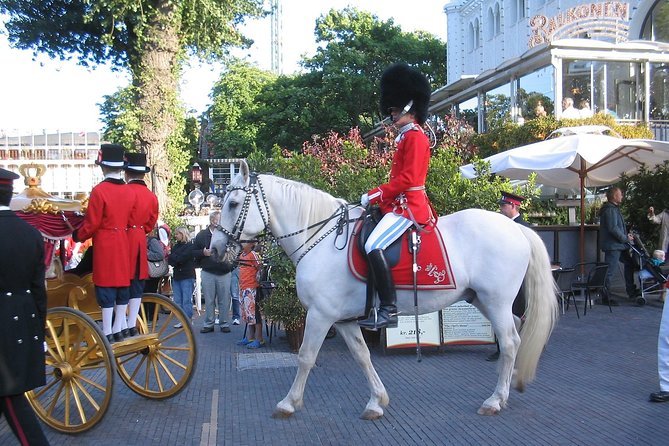
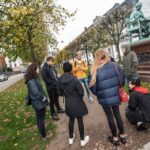
You’ll start at Fiolstræde 42, 1171 København, Denmark. The end point is flexible; the route can shift based on weather, group interest, and group speed. In other words, don’t expect a rigid path with the same final corner every time.
That flexibility is useful. Copenhagen weather can change fast, and slowing down is part of the point. You’re not stuck watching a guide sprint to hit every stop. You’re walking at a human pace through central streets and squares.
Stop 1: Nyhavn canals and the hygge mindset
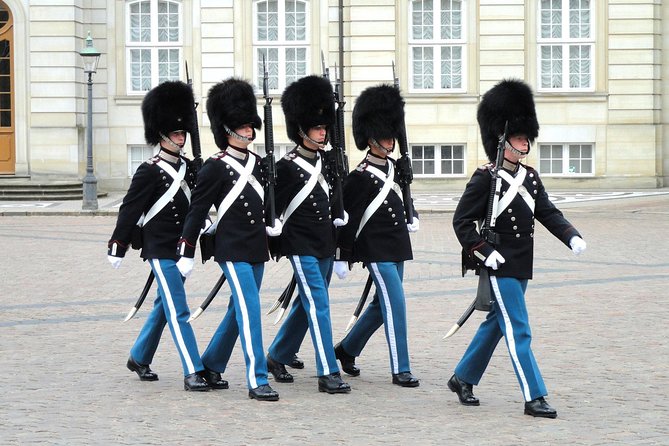
The tour opens with Copenhagen in a way that’s meant to make your later days easier. You’ll get a guided overview of the city’s historical highlights and cultural habits, tied to off-the-beaten-path sites the average visitor might miss. Expect the conversation to focus on how Danes think about comfort, togetherness, and everyday beauty.
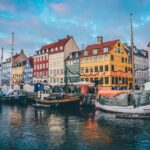
Nyhavn is a core part of that. It’s the postcard canalside district most people rush through on their own. On this walk, you’re guided to slow down enough to notice details: the rhythm of the streets, how the canal shapes the atmosphere, and how the area fits into Copenhagen’s identity as a trading city.
This first segment is also where you’ll learn what to prioritize next. Even the best museum day feels better after you understand the city’s layout. I like that this tour tries to set that foundation instead of just marching you from one famous spot to the next.
Amagertorv: the central square that links old trade and modern shopping
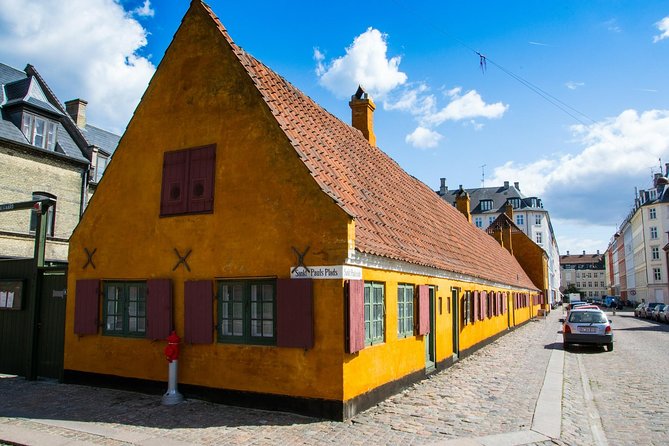
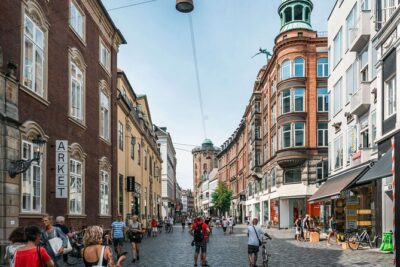
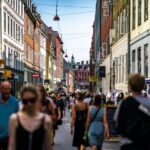
Next comes Amagertorv, a square that sits in the heart of Copenhagen’s pedestrian zones. It’s known as one of the most central squares in the center, and it’s also among the oldest. The name points back to Amager farmers who came into town in the Middle Ages to sell produce.
In practice, this stop is about reading a space. You’ll see how squares function as social hubs, not just photo stops. And since Amagertorv sits near major pedestrian streets, you’ll also learn how to use that location later when you plan your own time.
One small caution: because it’s central and busy, it can feel crowded around peak times. The guide’s job is to time your moments and keep the tour calm and moving.
Amalienborg Palace Museum: royal Denmark up close
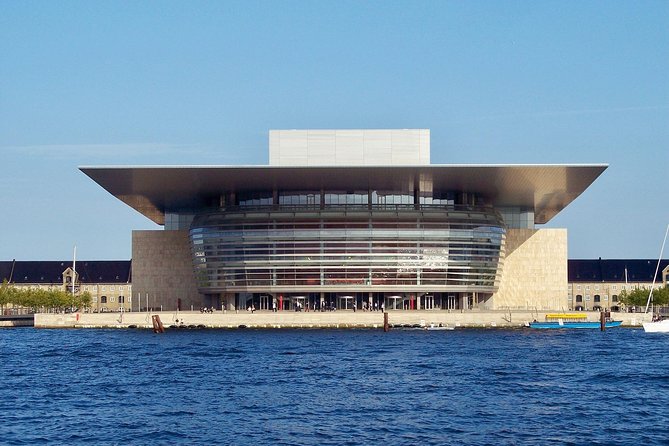
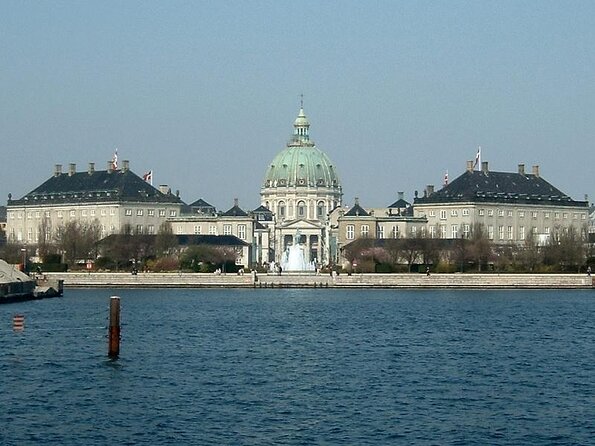
You’ll then head to the Amalienborg Palace Museum, a must for anyone who wants royal history and wants to see how Denmark’s royal family still lives on-site. This is one of those stops where you get more from the explanation than from the architecture alone.
The palace complex is a clear anchor point in the itinerary, and it ties the walk to modern Danish identity. It’s not only about monarchy as a concept; it’s about seeing the physical center of the royal residence in the city’s layout.
Important practical note: admission for Amalienborg Palace Museum is listed as not included. So if you want to go inside, plan on paying that extra cost yourself.
You can also read our reviews of more tours and experiences in Copenhagen






The Round Tower: Tycho Brahe’s astronomy story and a big Copenhagen view
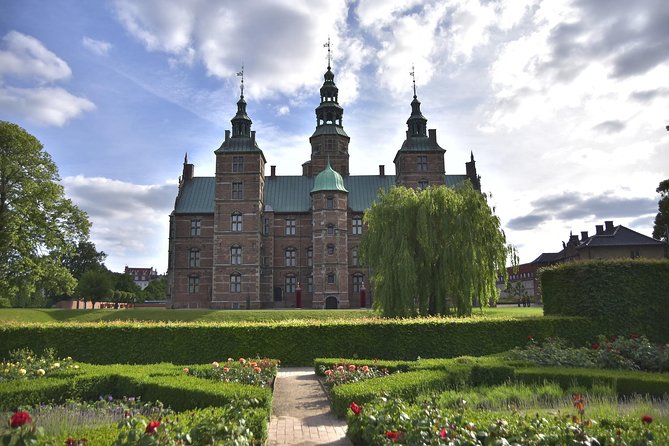
Then you reach the Round Tower (Rundetaarn), and it carries real scientific weight. It’s the 17th-century observatory and the oldest functioning observatory in Europe, according to the tour description. The guide connects it to Denmark’s astronomical legacy, including Tycho Brahe and King Christian IV’s push to continue research after Brahe’s death.
Why this stop works on a walking tour: it’s not just a structure. It’s a viewpoint. You’ll also hear how the tower’s platform and design let you see the older parts of Copenhagen from above.
Admission is listed as not included here too. If you want the full experience, bring that extra budget mindset.
Christiansborg Palace, Copenhagen Cathedral, and Tivoli Gardens along the way
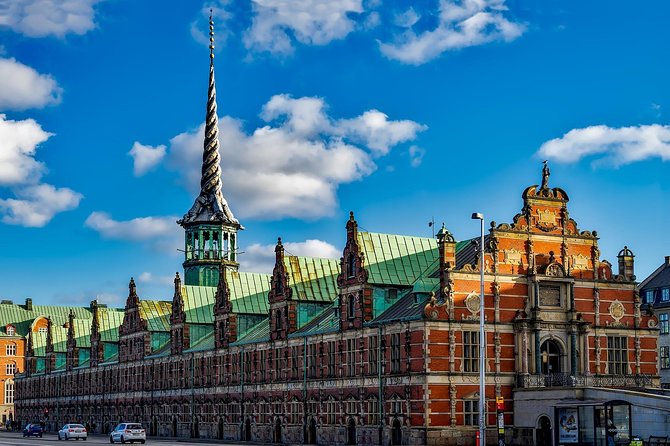
The remaining highlights on the route build variety, so you don’t spend all day only in royal and historical power centers.
Christiansborg Palace: government on an island
You’ll see Christiansborg Palace, which serves as a palace and government building on Slotsholmen. The tour frames it as the seat of the Danish Parliament, the Prime Minister’s Office, and the Supreme Court. This stop helps you understand Copenhagen as a working capital, not a theme park.
Copenhagen Cathedral: layers of the same sacred site
You’ll also encounter Copenhagen Cathedral, currently in a Neo-Classicist style designed by C.F. Hansen. The guide story includes key dates: a foundation stone laid by King Frederik VI in 1817 and consecration in 1829. But you’ll also hear about earlier churches on the site, including a church connected to Bishop Absalon around 1200.
Tivoli Gardens: leisure history right in the center
Finally, the route includes Tivoli Gardens, an amusement park and pleasure garden opened on 15 August 1843. The description also notes it’s the second-oldest operating amusement park in the world (after Dyrehavsbakken in Klampenborg). Even if you don’t go in, it’s a useful contrast to the palaces and squares you’ve already seen.
I like having Tivoli on the same walk. It reminds you that Copenhagen’s history isn’t only about rulers and buildings. It’s also about how people wanted fun, comfort, and social time.
How much value you get for $50.79
At $50.79 per person for about 3 hours, the price is in the middle of what you might expect for a guided walking tour with a small group. What makes it feel like value is the combination: a human guide, a limited group size, and multiple major landmarks inside one organized route.
If you tried to recreate this on your own, you’d likely spend time figuring out where to start, what to connect, and how to interpret the city beyond facts. This tour tries to do that connecting work for you.
Also, the tour tends to book in advance (about 47 days on average). That usually means people find it useful as an early trip anchor. And with the overall rating at 4.8 from 686 reviews, there’s a clear pattern of guests finding it worthwhile for first-time orientation.
One more value angle: the tour isn’t just about seeing. Guides in recent outings like Michele, Jose, Alex, and Morgan were praised for mixing facts with humor and for giving practical suggestions. That kind of added guidance can save you from guessing what to do next.
What the guides do well in real life
The tour’s description promises an expert local guide and individualized attention, and the guide praise in recent comments backs that up. Jose, Alex, and Daniele are repeatedly singled out for being friendly and for bringing stories to life. Tom and Dan show up as examples of guides who make the walk feel personal, not robotic.
A detail I’d actually pay attention to is pacing. One review highlights that 3 hours felt just right, and another points out that the guide kept things comfortable through the center. That matters because walking tours can go too fast or too slow. Here, the aim is steady, with time to take sights in.
If you want a tip for your own day planning: ask the guide what they’d do next in the same area you’ll visit later. The tour format is designed to give you an overview so your remaining time is easier.
Who this tour is best for (and when to skip it)
This is best for you if:
- You want an active 3-hour introduction to Copenhagen.
- You like to ask questions and get local context, not just photos.
- You’re in the city for a short window and want the biggest return on your first day.
You might skip it if you:
- Prefer a fully seated experience or you dislike walking for long stretches.
- Want deep museum time inside every venue. This tour is mostly about the guided route and the landmark explanations, with some admissions not included.
If you’re traveling in winter or on a day that feels brutally cold, pack for it. One review notes the tour was extremely cold and still felt worth it, which tells you the walk can continue through harsh weather. Dress in layers and wear shoes that keep you stable on slick streets.
Should you book this Copenhagen walking tour?
Book it if you’re trying to learn the city in a practical way. This tour is a strong first-day option because it connects major sights like Nyhavn, Amagertorv, Amalienborg, and the Round Tower with the cultural idea of hygge. The small group size is also a big deal for comfort and conversation.
Skip it if you already know Copenhagen well and only want niche neighborhoods or long museum visits. This is a high-efficiency overview route.
If you’re on the fence, I’d choose it for one reason: after 3 hours, you should leave with a clearer sense of where things are and what matters, so the rest of your days feel less like searching and more like exploring.
FAQ
How long is the Copenhagen walking tour?
It lasts about 3 hours.
What is the group size?
The group is limited to a maximum of 10 travelers.
Is the tour offered in English?
Yes, the tour is offered in English.
Do I need separate tickets for all stops?
Not for every stop. The description lists admission as free for some parts, while Amalienborg Palace Museum and the Round Tower are listed as admission not included.
Where is the meeting point?
The start is Fiolstræde 42, 1171 København, Denmark.
Will the tour end at the same place?
It starts at Fiolstræde 42, and it indicates the end is also Fiolstræde 42, but it also notes there is no fixed end point because the route can change with weather and group preferences.
Do I need to bring money for food or transport?
Food and drinks are not included, and it’s a walking tour with no transportation to or from attractions included.
What is the cancellation policy?
Free cancellation is available up to 24 hours in advance for a full refund.
Is the tour suitable for everyone?
The information says most travelers can participate, and service animals are allowed. The meeting area is near public transportation.