REVIEW · COPENHAGEN
Copenhagen: 3-Hour City Highlights Bike Tour with Guide
Book on GetYourGuide →Operated by City Bike Adventures · Bookable on GetYourGuide
Copenhagen makes it easy to see everything. This 3-hour bike tour threads through Copenhagen’s main landmarks and neighborhoods with a guide who explains the stories behind the sights, not just the postcard facts. It’s built around Denmark’s legendary cycling setup, so the ride stays relaxed even while you’re ticking off big names like Little Mermaid and Nyhavn.
I really like two things. First, you get Copenhagen’s feel fast because you’re moving like locals do, with bike lanes and a route designed for easy spinning. Second, the guide storytelling keeps each stop human, including how people live around places like Christiania, the Royal Library, and the palace areas.
One consideration: the tour doesn’t include food or water, so on a long day you’ll want to budget for drinks you can buy along the way. Also, dress for the weather, because three hours on a bike can feel colder or wetter than you expect.
In This Review
- Key highlights at a glance
- A bike tour that gives you Copenhagen’s rhythm fast
- Price and what $55 really covers
- Meeting at Holbergsgade 12: where the tour starts
- The 3-hour route: stop-by-stop highlights and what to notice
- Inderhavnsbroen: the harbor-side warm-up
- Christiania: Copenhagen’s most talked-about free town
- Church of Our Saviour: a landmark with a story
- Christiansborg Palace: government in the center
- Black Diamond (Royal Library): modern Denmark made visible
- The King’s Garden and Rosenborg Castle: royal Copenhagen
- Nyboder: workers’ housing and the city’s ordinary side
- The Little Mermaid: the famous statue with real context
- Amalienborg Palace and Amalie Garden: the end of the royal stretch
- Nyhavn: canal views and Copenhagen’s postcard street
- Why the guides really change the experience
- Biking comfort: what to expect on the pedals
- What to bring (besides your camera)
- Who this tour is for (and who should choose something else)
- Should you book this Copenhagen bike tour?
- FAQ
- How long is the Copenhagen city highlights bike tour?
- What does the tour cost?
- What is included in the price?
- Is water or food included?
- Where do we meet for the tour?
- What languages are the guides?
- Does the meeting point have lockers or a toilet?
- Where does the tour end?
- What if I need to cancel?
Key highlights at a glance
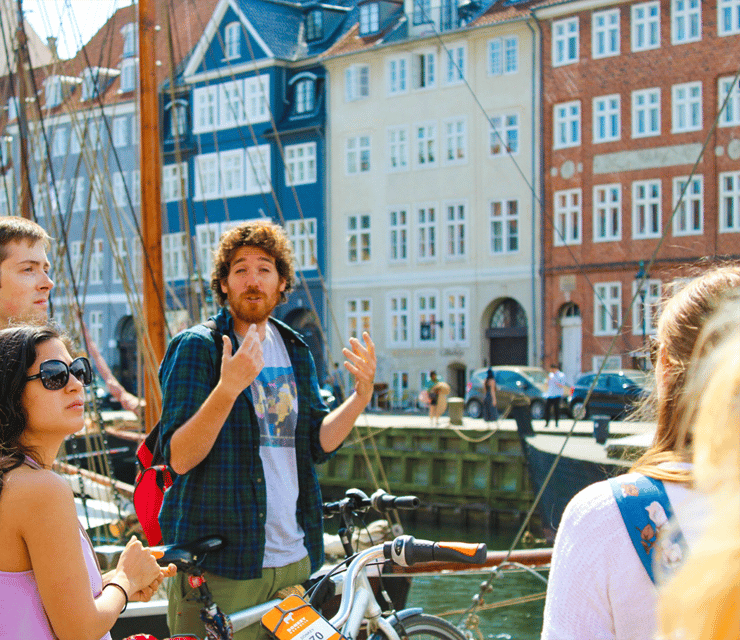
- Easygoing riding in Copenhagen’s bike-friendly core
- Central start and end at Holbergsgade 12 (1057 Copenhagen)
- Helmeted bike comfort, plus lockers and toilet at the meeting point
- Stops that mix major landmarks with lived-in neighborhoods
- A guide-led rhythm with short stops for photos and stories
- Food and water are on you to purchase during the tour
A bike tour that gives you Copenhagen’s rhythm fast
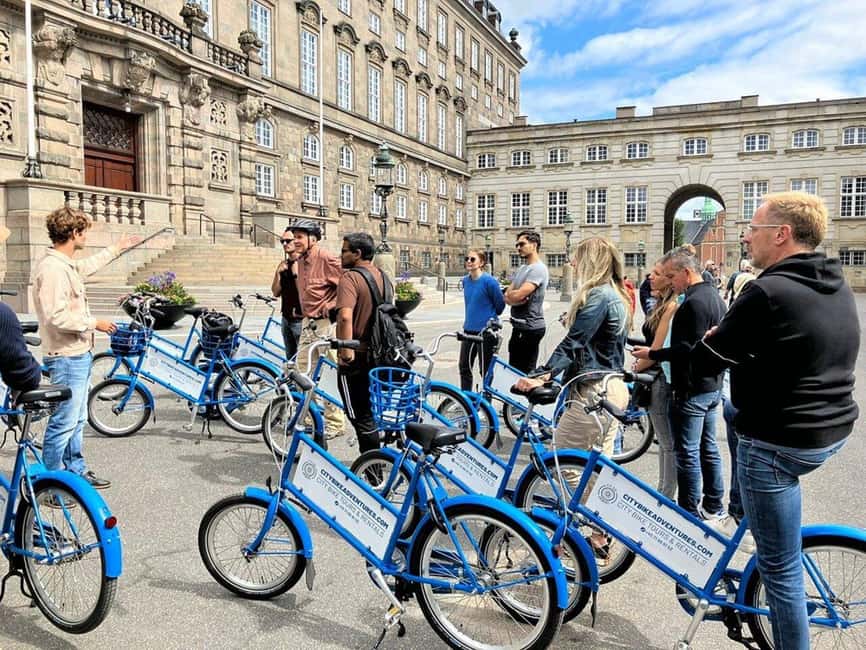
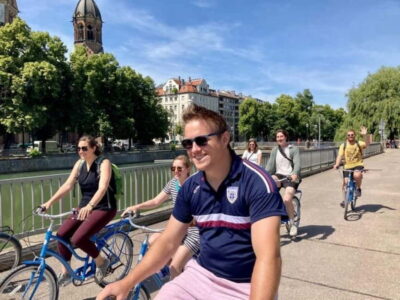
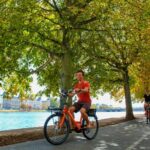
Copenhagen is one of Europe’s best cities for cycling, and this tour takes advantage of that immediately. You’re not stuck sightseeing from buses or on foot when you’d rather glide along calm bike paths.
The real value is the pacing. In three hours, you get enough context to understand what you’re seeing and where everything fits together in the city’s layout. That matters in Copenhagen, where it’s easy to walk into one great area and miss how the rest of the center connects.
You can also read our reviews of more cycling tours in Copenhagen
Price and what $55 really covers
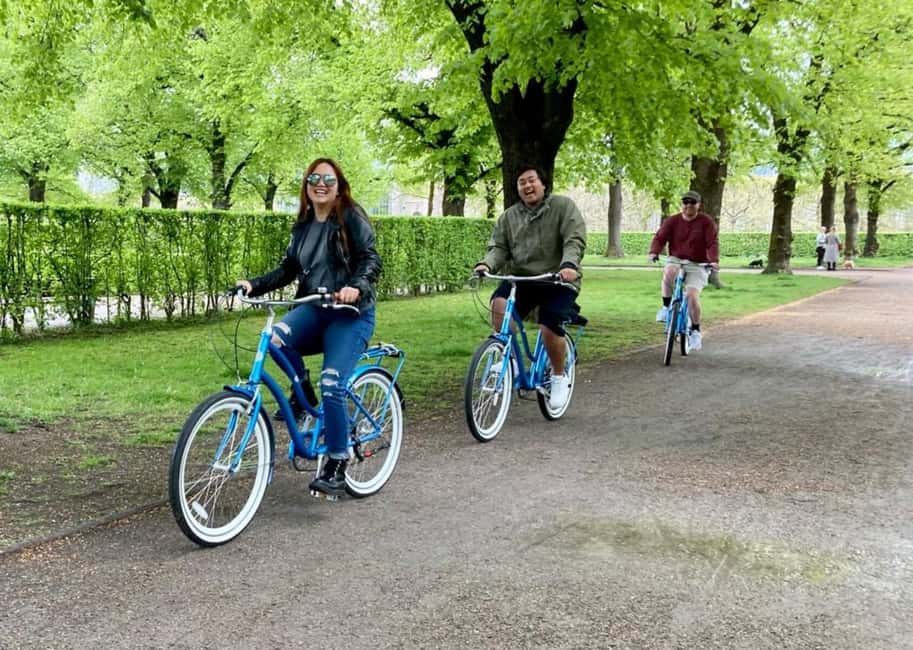
At $55 per person for a roughly three-hour guided ride, you’re paying for more than transportation. You’re paying for a route that’s planned for comfortable cycling, plus a live guide in English (and German), and a helmeted bike setup.
It’s also good value if you’re doing Copenhagen early in your trip. A quick orientation tour means later you spend less time figuring out where things are and more time choosing what to revisit. And with stops like Rosenborg Castle, Nyhavn, and the Royal Library, you’re covering “big ticket” sights without needing to commit to a full day of museum time.
Meeting at Holbergsgade 12: where the tour starts
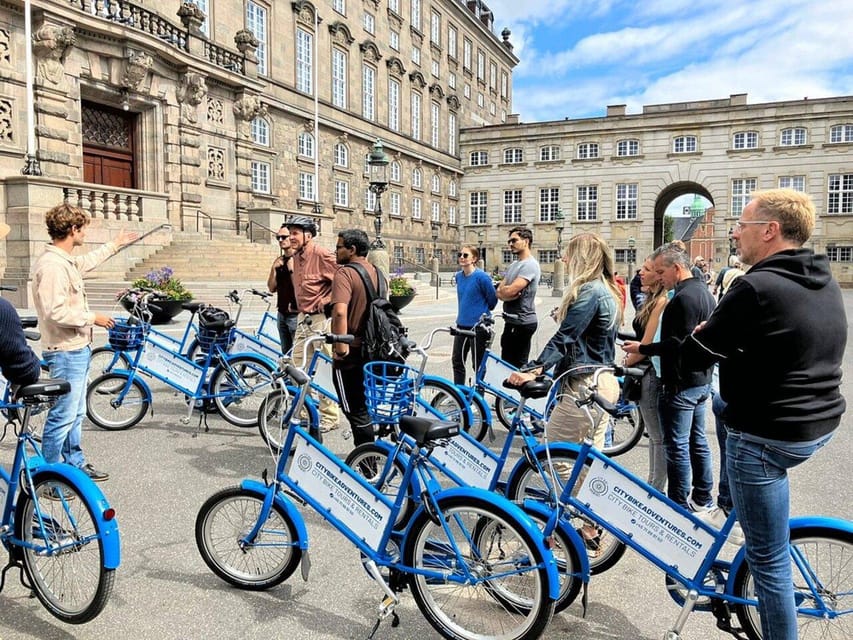
You meet at the shop at Holbergsgade 12, 1057 Copenhagen City Centre. Plan to go inside first when you arrive, since that’s where you’ll be greeted and settled with your guide and group.
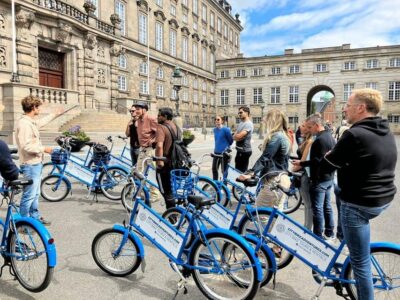
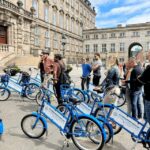
This is a practical start. Bikes and helmets are provided, and there are lockers and a toilet available at the meeting point, which makes the beginning stress-free. If you’re carrying a day bag, you’ll feel better knowing you can stash items before you start pedaling.
The 3-hour route: stop-by-stop highlights and what to notice
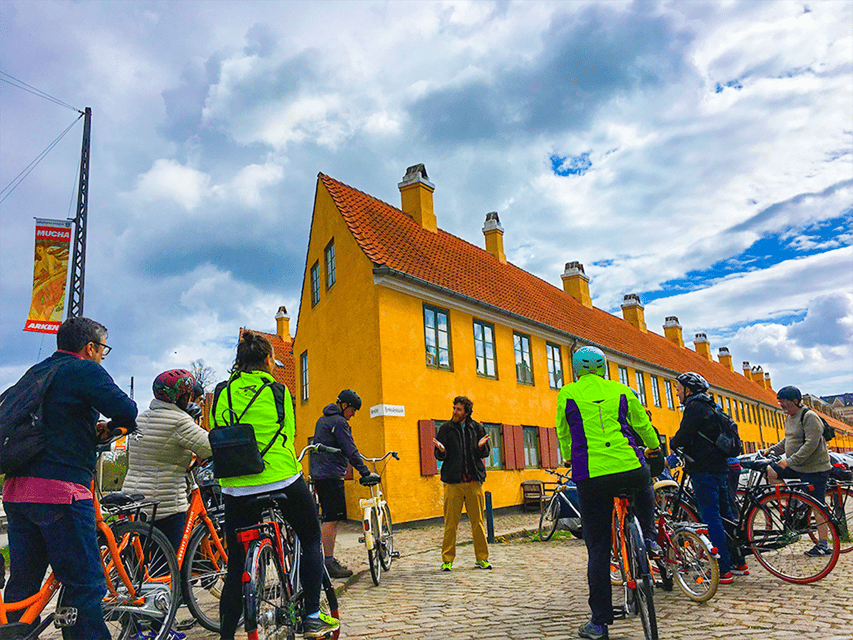
The best way to enjoy this tour is to treat each stop like a mini lesson. You’ll make short guided visits, then roll on quickly to the next area, so pay attention when the guide points out details you might otherwise miss.
Inderhavnsbroen: the harbor-side warm-up
The tour first rolls to Inderhavnsbroen, where you get about a 10-minute guided orientation. This is a good “get your bearings” moment because you’re in the center and you can start mapping how the water and streets relate.
Even if you love photos, this stop is less about the camera and more about understanding the city’s geography. Copenhagen’s waterfront shapes a lot of what you’ll see later, including the canal zone around Nyhavn.
You can also read our reviews of more guided tours in Copenhagen

Christiania: Copenhagen’s most talked-about free town
Next comes Freetown Christiania, with a guided stop around 15 minutes. This is one of the tour’s most interesting contrasts because it’s not just a monument; it’s an alternative community known for its unusual identity within the city.
You’ll get a short, guided view rather than a long wander, so don’t expect to fully understand everything in one pass. But you will leave with context that makes the place feel real, not just like a headline you’ve heard before.
Practical tip: keep your expectations flexible here. The vibe can feel different from the rest of the center, and that’s part of why the stop is worth including.
Church of Our Saviour: a landmark with a story
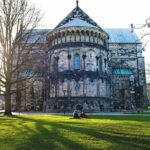
Then you head to the Church of Our Saviour for a 10-minute guided stop. This is a classic Copenhagen focal point, and the guide’s job is to help you connect architecture and meaning, not just admire a building from the street.
If you like photography, this stop usually gives you a good angle to frame the church in the surrounding city lines. If you’re less into photos, it’s still worthwhile because it helps you understand how certain sights became anchors for the city.
Christiansborg Palace: government in the center
You’ll also pass through Christiansborg Palace for about 15 minutes. This stop is ideal if you want to understand Copenhagen as a living capital, not just a scenic postcard.
The guide’s storytelling here helps you see the palace area as part of daily civic life. You also get a sense of why the city’s institutions are clustered where they are.
Black Diamond (Royal Library): modern Denmark made visible
A quick 10-minute guided stop brings you to the Black Diamond, the nickname for the Royal Library building. This one stands out because it mixes modern form with the feeling of something important and public.
Think of it as the city showing you how it balances tradition with present-day design. It’s also an easy place to pause and catch your breath before you keep rolling.
The King’s Garden and Rosenborg Castle: royal Copenhagen
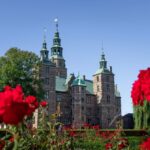
From there, you get The King’s Garden for about 10 minutes, followed by Rosenborg Castle for another 10 minutes. Together, they act like one royal zone with greenery and then the landmark itself.
In this short time, you’re not doing a full castle visit. Instead, the goal is orientation: where this royal landscape sits, why it matters, and how it connects to the surrounding neighborhoods.
If you’re tempted to go inside Rosenborg later, this stop gives you the “should we?” question answered quickly. You’ll know what kind of visit you want before committing.
Nyboder: workers’ housing and the city’s ordinary side
Then you reach Nyboder for about 10 minutes. This is a smart inclusion because it shifts the tour from palaces and famous statues into the everyday fabric of Copenhagen.
Nyboder helps you see how the city housing story shaped communities. And it gives you a break from the heavy “tourist sights” vibe.
If you like travel that feels grounded, this is one of the places that makes the tour feel more like understanding a city than just checking boxes.
The Little Mermaid: the famous statue with real context
You’ll stop by the Little Mermaid statue for about 15 minutes. This is the stop most people came for, but the guide’s job is to explain what the sight represents and why it keeps capturing attention.
You’ll likely get photos, sure. But if you lean in during the storytelling, you’ll get something more useful: context that turns the statue from a meme-level landmark into a piece of Copenhagen’s cultural conversation.
Amalienborg Palace and Amalie Garden: the end of the royal stretch
Next comes Amalienborg Palace (about 15 minutes) and then Amalie Garden (about 10 minutes). This is another royal sequence, but it feels different from Rosenborg because it sits in a more open, street-and-garden rhythm.
These stops help you see how Denmark’s royal spaces are distributed rather than all concentrated in one “theme park” spot. You also get a sense of how the garden spaces break up the city’s formal areas.
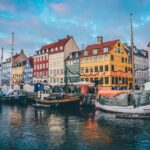
Nyhavn: canal views and Copenhagen’s postcard street
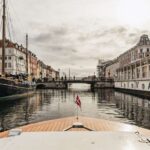
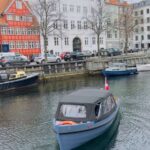
Finally, you roll to Nyhavn for about 15 minutes. This is the historic canal zone you probably already recognize from photos, and the short guided stop makes it easier to understand what makes it special.
Even if you just use Nyhavn as a visual payoff, it works as a good finish because it’s lively in the way that feels tied to history. And since the tour ends back at the meeting point after this, you’ll know you’ve covered the center’s major visual beats.
Why the guides really change the experience
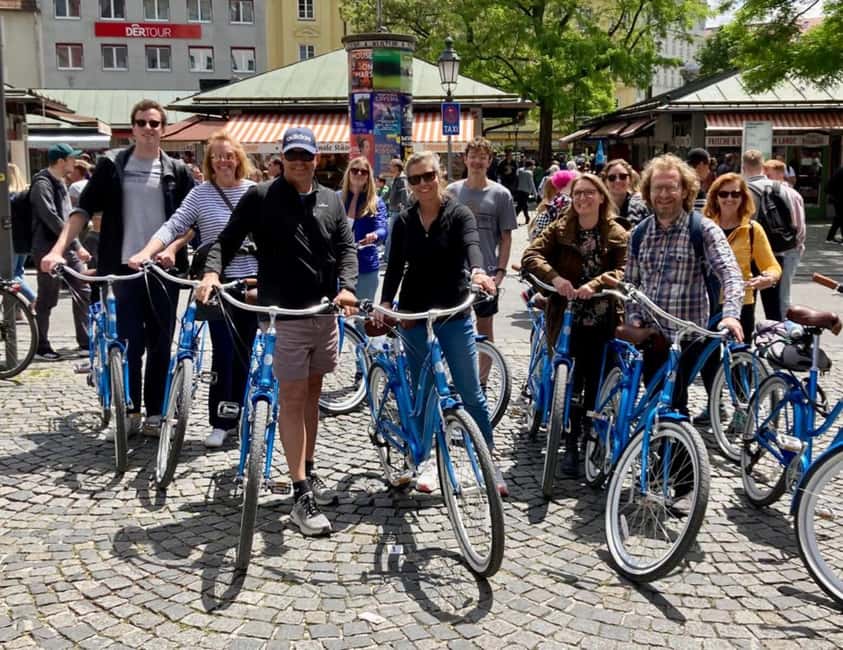
Bike tours can be “move from sign to sign.” This one tries not to be that, and that’s mostly about the guide.
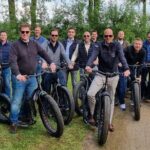
Names that show up in the tour’s feedback include Raphael, Luke, Angus, Thomas, Olivia, Derek, and Maria. Across those different guides, the recurring theme is that they explain not just what’s there, but how people think about it, what it means historically, and how it fits with modern Copenhagen life.
A small example I’d pay attention to: one guide, Raphael, was praised for being thoughtful when the weather turned, even bringing raincoats for the group. That kind of preparedness matters because Copenhagen weather loves changing its mind.
Biking comfort: what to expect on the pedals
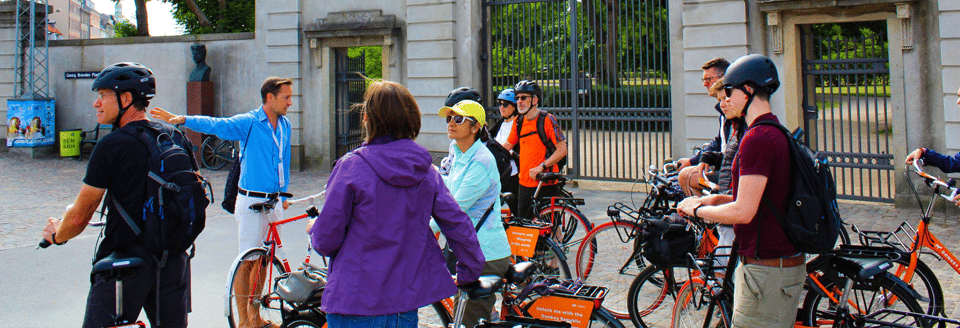
The tour is designed to be relaxed and easygoing. Copenhagen is described as a city built for people with excellent bike infrastructure and almost no hills, which is a big deal when you’re on a bike for three hours.
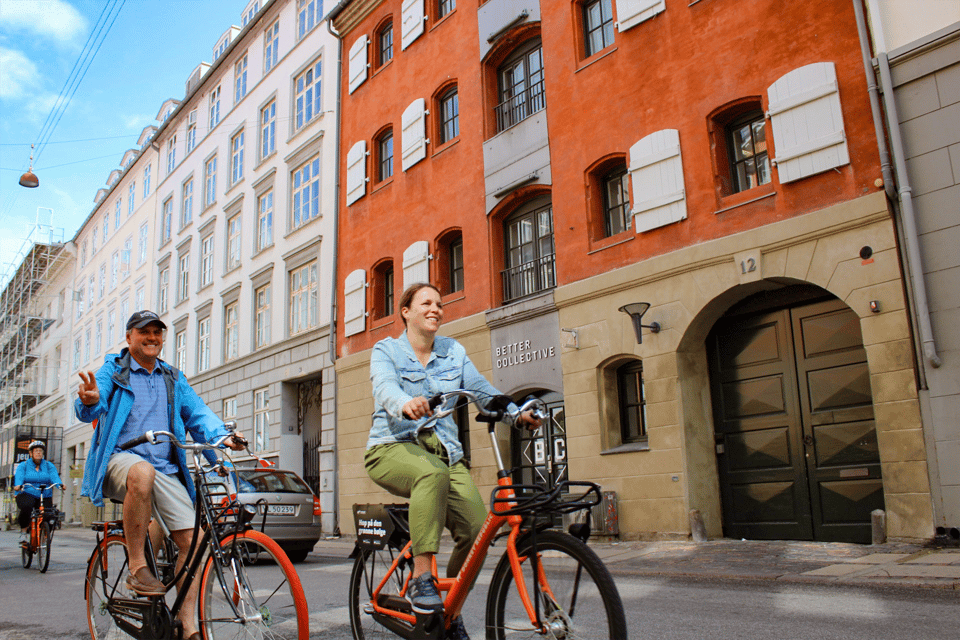
The bike itself is traditional and easy to handle, and you’ll be given a helmet. If you’re nervous about cycling in a city, this setup helps. You’re not being thrown into traffic roulette, and you’re not locked into a long ride with no guidance.
Still, do your part. You’ll feel better if you wear weather-appropriate layers and don’t overdress like you’re going to a museum. Bike tours are active, even when the route feels gentle.
What to bring (besides your camera)
You’ll want to dress according to the day’s weather. If it’s chilly, consider adding gloves or a warmer layer, because you’re moving and wind can make it feel cooler.
Also, remember that water and food are not included. You can purchase them during the tour, so if you’re the type who needs a drink break, plan ahead mentally and give yourself permission to stop for a refreshment.
If you’re carrying bags, use the lockers at Holbergsgade 12. It makes the ride nicer when you’re not juggling items between shoulders and handlebars.
Who this tour is for (and who should choose something else)
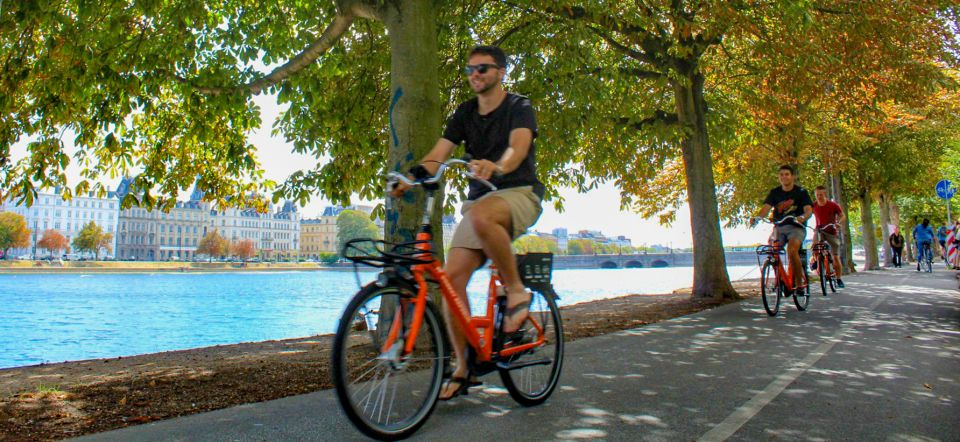
This tour is a strong fit for:
- First-time visitors who want an orientation sweep
- People who like landmarks but also care about how a city actually lives
- Anyone who prefers cycling over long walking days
It might be less ideal if you want deep museum time or long stops at each major sight. The tour is paced for coverage, not for extended indoor exploring. In three hours, you’ll get the highlights and the context, but you won’t do full-ticket attractions.
Should you book this Copenhagen bike tour?
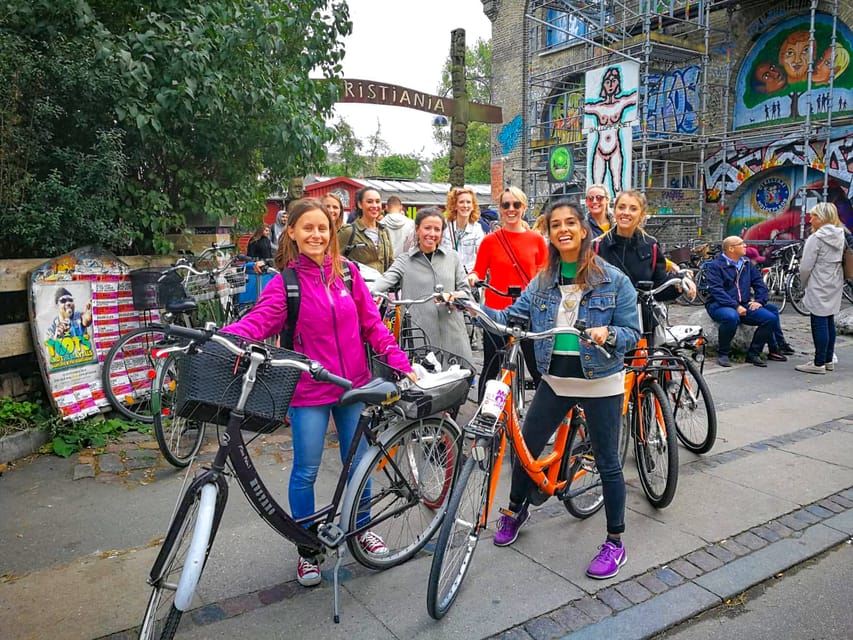
If you want a fast, bike-friendly way to understand Copenhagen’s center, this is an easy yes. The combination of major sights (Little Mermaid, Rosenborg Castle, Nyhavn) with community contrast (Christiania) gives you a more rounded picture than a single-neighborhood walk.
I’d book it early in your trip. You’ll leave with a mental map and practical next steps for where to spend extra time. And with bikes, helmets, plus a central meeting point at Holbergsgade 12, it’s the kind of activity that feels low hassle and high payoff.
If you’re weather-sensitive, keep an eye on what the day looks like. You’ll still have a great time when conditions aren’t perfect, but dressing smart is part of making the ride enjoyable.
FAQ
How long is the Copenhagen city highlights bike tour?
The tour lasts about 3 hours.
What does the tour cost?
The price is listed as $55 per person.
What is included in the price?
Bikes, a guide, and a helmet are included.
Is water or food included?
No. Water and food are not included, but you can purchase them during the tour.
Where do we meet for the tour?
The meeting point is at the shop inside Holbergsgade 12, 1057 Copenhagen City Centre.
What languages are the guides?
The live tour guide is available in English and German.
Does the meeting point have lockers or a toilet?
Yes. Lockers and a toilet are available at the meeting point.
Where does the tour end?
The tour returns to the meeting point at Holbergsgade 12.
What if I need to cancel?
You can cancel up to 24 hours in advance for a full refund, and there is also a reserve now & pay later option.