REVIEW · COPENHAGEN
Copenhagen: Modern City Food Tour
Book on GetYourGuide →Operated by Copenhagen By Mie · Bookable on GetYourGuide
Smørrebrød, pastry, and stories in one walk. This small-group Copenhagen food tour turns a normal meal stop into a guided thread through Danish food culture, with eight tastings plus a full lunch in about four hours. I like that it focuses on the why behind the food, not just what you eat.
The best part is the mix of classic Danish comfort with modern inspiration, including places influenced by Noma and by the Middle East, alongside the older traditions you’ll recognize right away. One consideration: this is mostly a walking experience, and it isn’t suitable for wheelchair users or for people with food allergies.
In This Review
- Key reasons this tour works
- Copenhagen food tour in four hours: what you’re really signing up for
- Starting point at Pincho Nation Nørreport: easy to find, easy to begin
- Torvehallerne to your first bites: market energy and Copenhagen’s food heartbeat
- The pacing of 8 tastings: why you won’t feel stuffed too early
- Smørrebrød in a historical tavern: the sandwich with a whole backstory
- Pastry time: wienerbrød and creamy bites from traditional bakeries
- Modern Danish influences: why Noma and Middle East flavors fit the story
- What a good guide adds: the Oscar and Sandra effect
- Group size and your comfort: conversation without chaos
- What to do during the tour: small habits that improve the whole experience
- Price and value: is $149 reasonable for Copenhagen food?
- Who should book this tour (and who should skip it)
- Should you book Copenhagen: Modern City Food Tour?
- FAQ
- Where is the meeting point?
- How long is the Copenhagen Modern City Food Tour?
- What does the price include?
- Is hotel pickup or drop-off included?
- Is the tour wheelchair accessible?
- Is the tour available in English?
- Can the tour accommodate allergies?
- Are pets allowed, and can you smoke during the tour?
Key reasons this tour works
- 8 tastings + 1 full lunch so you leave properly fed, not just “snack satisfied”
- Torvehallerne as a food-start point, where you get a feel for Copenhagen’s market energy
- Smørrebrød served in a historical setting, with the origin stories behind the toppings
- Modern Danish influence on the menu, including stops inspired by Noma and the Middle East
- A small group (max 10) that makes conversation and questions feel natural
- Guides named Oscar or Sandra are praised for turning the walk into something more than a checklist
Copenhagen food tour in four hours: what you’re really signing up for

This tour is built for people who want more than a restaurant list. You’re getting a guided route through Copenhagen that explains how Danish eating habits developed, and why the country treats food like culture—almost like language.
At $149 per person for 4 hours, the price only makes sense if you’re actually going to use the tastings and the lunch. With 8 different tastings included (not just drinks and a couple bites), you’re paying for guided access, pacing, and a prepared food sequence that you likely wouldn’t assemble on your own without a lot of trial and error.
You’ll also notice the tour isn’t trying to cram five continents into one plate. The “international” notes are there to show Danish creativity—how tradition and outside influence can coexist on menus you can order in Copenhagen today.
You can also read our reviews of more food & drink experiences in Copenhagen

Starting point at Pincho Nation Nørreport: easy to find, easy to begin

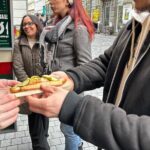
You meet in front of Pincho Nation Nørreport. That location helps a lot if you’re staying central, because Nørreport is a natural hub for getting your bearings fast and meeting your group on time.
Bring comfortable walking shoes. You’ll be on your feet for much of the 4-hour window, and the best part of food tours is that you can ask questions while you walk—without feeling rushed the second you sit down.
Also pack a weather-appropriate layer and a reusable water bottle. Copenhagen weather can shift quickly, and having water on hand keeps the pace pleasant instead of turning into a “walk-and-sip-whatever” situation.
Torvehallerne to your first bites: market energy and Copenhagen’s food heartbeat

One of your early stops focuses on Torvehallerne, the well-known market area where you can see how Copenhageners shop, snack, and choose what looks good right now. Markets are useful on a food tour because they’re more “real” than a single restaurant. You get a sense of how people move, what they prioritize, and how fresh ingredients shape daily meals.
The tour uses that market energy as a launching pad for the rest of the walk. Once you’ve tasted your first Danish-related bites and heard a bit of context, the later stops feel connected instead of random.
If you’re the kind of person who likes to understand the setting—who eats what, when, and why—Torvehallerne is a smart start. It also gives you something to compare against later, including the historical tavern and bakery stops.
The pacing of 8 tastings: why you won’t feel stuffed too early
You’re promised eight different tastings, plus one full lunch, spread across the tour. That structure matters more than it sounds, because “snack tours” can become either too light (sad hunger later) or too heavy too soon (tour becomes a food coma).
Here, the tastings work like chapters. You’ll get small portions that let you taste several traditions—savory plates, open-faced sandwich culture, and sweet pastry—without losing your appetite for the next stop. And when lunch arrives, it feels like a real meal rather than an awkward final checkbox.
A practical trick: keep your eyes up during the walking parts. The tour includes stories behind the food and places visited, so you’ll get the most out of it if you’re present and paying attention. You can absolutely take photos, but don’t let your camera become the main character of the evening.
Smørrebrød in a historical tavern: the sandwich with a whole backstory
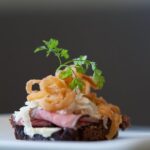
This tour’s signature is the smørrebrød stop—traditional open-faced sandwiches topped with local delicacies—served at a tavern in a historical place. This is one of those experiences where the food and the setting teach together.
Smørrebrød is more than a Danish stereotype. The tour frames it as an edible timeline: what people put on bread reflects ingredients available, social habits, and how Danish cuisine balances comfort with craft. When you hear the origins of toppings and the kind of occasions the sandwiches were associated with, the meal stops being just delicious and starts being meaningful.
If you’ve only had smørrebrød in a touristy setting before, this is the upgrade. The historical context and the explanation behind the ingredients make it easier to understand what to order next time you’re on your own.
You can also read our reviews of more tours and experiences in Copenhagen



Pastry time: wienerbrød and creamy bites from traditional bakeries
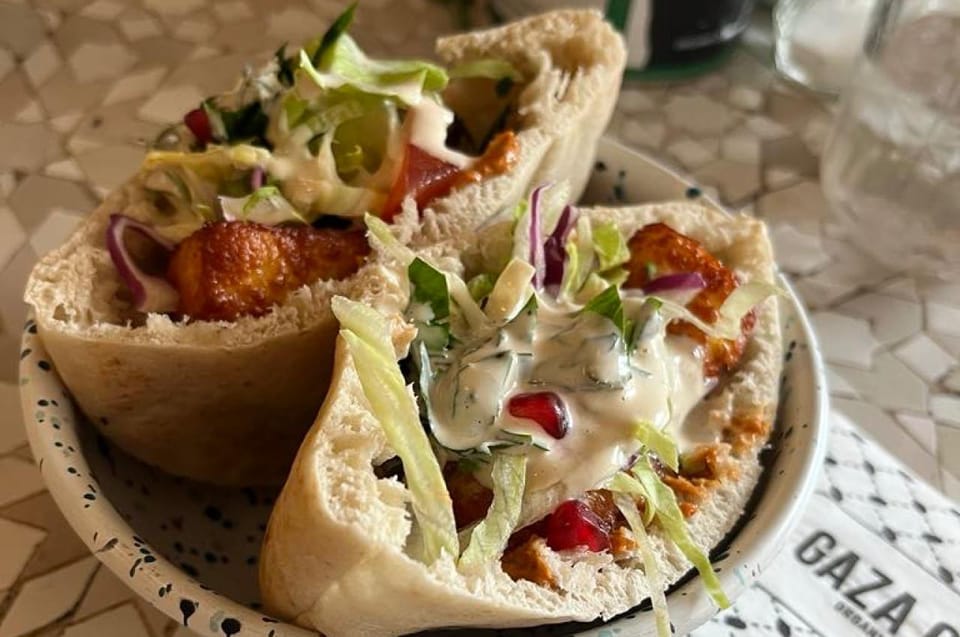
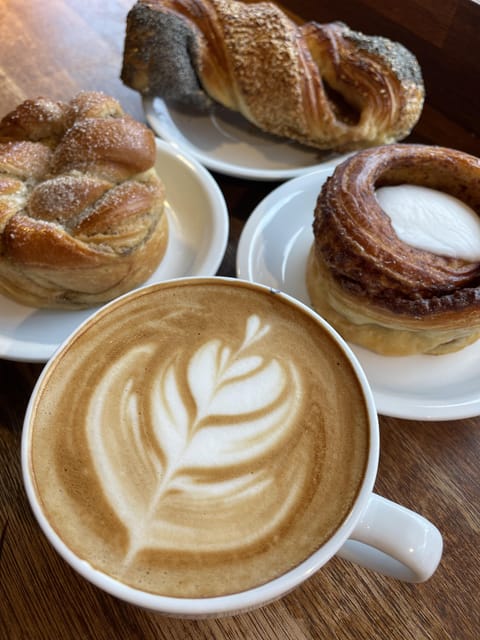
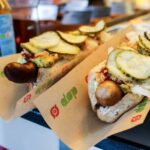
Danish pastry is a love language, and this tour treats it like one. You’ll sample flaky wienerbrød and other creamy treats from traditional bakeries, with cultural notes that explain why these sweets matter in Danish everyday life.
This matters for value because pastry sampling can be either a token moment or a real payoff. Here, it’s clearly part of the planned flavor balance: after savory tastings, you get the sweet structure that makes Danish food feel distinctive—light layers, buttery texture, and fillings that don’t feel like afterthoughts.
Try to eat pastry a bit slowly. The goal isn’t just to taste fast and move on; it’s to notice the texture changes—crisp edges, soft centers, and the way fillings sit with the dough. Those little differences are what you’ll remember later when you’re trying to re-create the experience with your own bakery pick.
Modern Danish influences: why Noma and Middle East flavors fit the story
One reason this tour feels different from a basic “eat your way through Copenhagen” route is the inclusion of places influenced by Noma and by the Middle East. The point isn’t that everything becomes fusion. It’s that Danish cooking is not stuck in the past.
You’ll see how innovation can respect local ingredients while changing the presentation, seasoning, or pairing. On a plate, it might look like something new. In the tour’s storytelling, it becomes part of a larger narrative: Denmark is tradtion-driven, but not tradition-only.
This is especially useful if you’re a foodie who’s read about Noma-style thinking and wonders how that mindset shows up beyond one headline restaurant. The tour gives you a chance to taste the modern direction while staying grounded in Danish context.
What a good guide adds: the Oscar and Sandra effect
A food tour can be only as good as its guide. Here, the human touch shows up in the way the walk becomes a mini cultural tour, not just a string of tastings.
Guides like Oscar and Sandra are praised for making the experience feel like time with friends who happen to know the city. That shows up in two ways: the storytelling is well-paced, and you get practical extras—like pointers for other places to eat, drink, or explore while you’re in town.
You’ll also benefit from the small-group format (up to 10 participants). In a bigger group, questions get stuck at the bottom of the pile. In a smaller one, you can actually steer the conversation, ask what to try next, and learn how Danish menus typically work.
Group size and your comfort: conversation without chaos
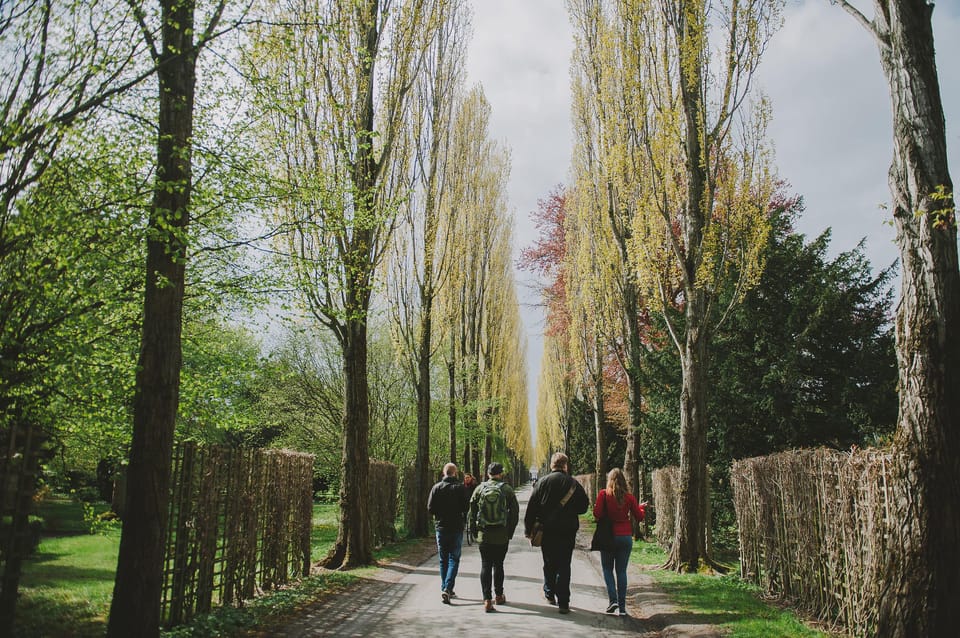
This is a small-group tour limited to 10 participants. That changes your experience more than you might think.
First, you’re more likely to get personal attention if something doesn’t fit your taste preferences. Second, the guide can keep the tempo smooth—meaning you spend more time tasting and learning, and less time waiting around.
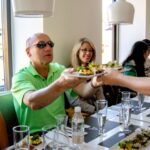
If you’re traveling solo or you’re the type who enjoys meeting other food lovers, this format helps. It’s not a party. It’s more like a shared table with walking breaks—people chatting naturally because everyone is already focused on the same topic.
What to do during the tour: small habits that improve the whole experience
You’ll enjoy this tour more if you go in with a simple mindset: you’re tasting a sequence, not collecting random bites.
A few practical moves:
- Eat at the pace the group follows. It’s tempting to linger at one stop, but the story thread matters.
- Ask one question per stop. It helps you connect the tasting to the larger context.
- Keep your notes simple: one sentence about what you loved and why. Later, that becomes your personal ordering guide.
If you have dietary restrictions, pay attention to the tour’s allergy approach. They try to accommodate, but you can’t assume every item can be changed. If food allergies apply to you, this tour isn’t suitable, so it’s better to look for an option explicitly set up for allergy-safe dining.
Price and value: is $149 reasonable for Copenhagen food?
Let’s do the math in human terms. At $149 for a 4-hour guided experience with 8 tastings and 1 full lunch, you’re essentially paying for:
- guided route planning (so you don’t waste time figuring it out),
- access to multiple handpicked eateries,
- a structured meal progression,
- and the storytelling that makes the tastings feel intentional rather than random.
Compared with trying to recreate this on your own, the biggest cost isn’t the food—it’s your time. Copenhagen is a city where restaurant decisions can spiral fast. A tour like this buys you efficiency and reduces the guesswork. You also leave with guidance on what you liked and where to go next.
If you’re the kind of traveler who enjoys structured experiences—especially when they include more than one location—this price can feel fair. If you’re the type who wants maximum freedom to wander and pick single spots, you might prefer doing your own food itinerary.
Who should book this tour (and who should skip it)
This is a great match if you:
- want a modern city food tour that still honors Danish classics like smørrebrød,
- like learning as you eat,
- enjoy small groups and conversation,
- and want a mix of traditional and contemporary culinary ideas.
I’d skip it if you:
- need wheelchair access (it’s not suitable for wheelchair users),
- have food allergies (it’s not suitable for people with food allergies),
- or dislike walking. Four hours is manageable, but it’s not a sit-and-sample-only format.
Should you book Copenhagen: Modern City Food Tour?
If you want a reliable way to eat well in a short window, I’d book it. The combination of 8 tastings, a full lunch, and guided stories makes it feel worth the money, especially compared with building a multi-stop plan alone.
Book it with confidence if you’re excited about Danish staples and also curious about how modern influences show up in Copenhagen menus. If you’re allergic, mobility-limited, or want a completely hands-off experience, you should choose a different kind of tour.
Either way, if you like food with context, this one gives you both—plus a walk through real Copenhagen, not just a string of plates.
FAQ
Where is the meeting point?
The tour meets in front of Pincho Nation Nørreport.
How long is the Copenhagen Modern City Food Tour?
It lasts 4 hours.
What does the price include?
It includes a guided food tour by a local, 8 different tastings, 1 full lunch, and stories behind the food and places visited.
Is hotel pickup or drop-off included?
No. Hotel pickup and drop-off are not included.
Is the tour wheelchair accessible?
No, it is not suitable for wheelchair users.
Is the tour available in English?
Yes, the live tour guide speaks English.
Can the tour accommodate allergies?
They try to accommodate allergies, but they cannot guarantee that all inclusions can be amended. The tour is also stated as not suitable for people with food allergies.
Are pets allowed, and can you smoke during the tour?
Pets are not allowed, and smoking is not allowed.