REVIEW · COPENHAGEN
Copenhagen: Best of Danish Pastry Tasting Tour
Book on GetYourGuide →Operated by Lost with a Local · Bookable on GetYourGuide
Five bakeries in two hours with real Copenhagen history. What makes this tour fun is the mix of pastry tastings and a short walking route that helps you understand what you’re eating and where you are.
I especially like the small group size and the smart pacing: you get a sampling at each bakery, not a sugar overload right away. One consideration is the walking total, about 5 kilometers (3 miles), which can feel long if you’re coming off a jet-lag morning or it’s wet and cold out.
In This Review
- Key things you’ll notice right away
- Copenhagen’s Danish Pastry Tasting Tour: what it is, and what it isn’t
- Where it starts: Lagkagehuset and the easy-to-follow route
- The pastries you’ll taste: what to watch for in each bite
- Wienerbrød (the layered classic)
- Tebirkes (seeded and savory-leaning)
- Hindbærsnitter (raspberry bars)
- Kringle (puff pastry feel)
- A mix of famous and local favorites
- Stop-by-stop: how the five bakery visits play out in real life
- Stop 1: start with a classic laminated pastry vibe
- Stop 2: seeded pastries and the Denmark balance shift
- Stop 3: fruit-forward for a palate reset
- Stop 4: another layered Danish style, different structure
- Stop 5: a finishing selection with extra personality
- Guides turn a pastry walk into a Copenhagen walk
- Price and value: what $74 buys you in Copenhagen
- Walking pace, weather, and the real-life calorie strategy
- Small group dynamics: why this stays fun
- Who should book this tour
- Should you book Copenhagen’s Best of Danish Pastry Tasting Tour?
- FAQ
- Where do I meet the guide?
- How long is the tour?
- How many bakeries will we visit?
- What kinds of Danish pastries are included in the tastings?
- Is the tour a small group?
- How much walking is there?
- Is the tour in English?
- Is coffee included?
- What’s the cancellation policy?
Key things you’ll notice right away
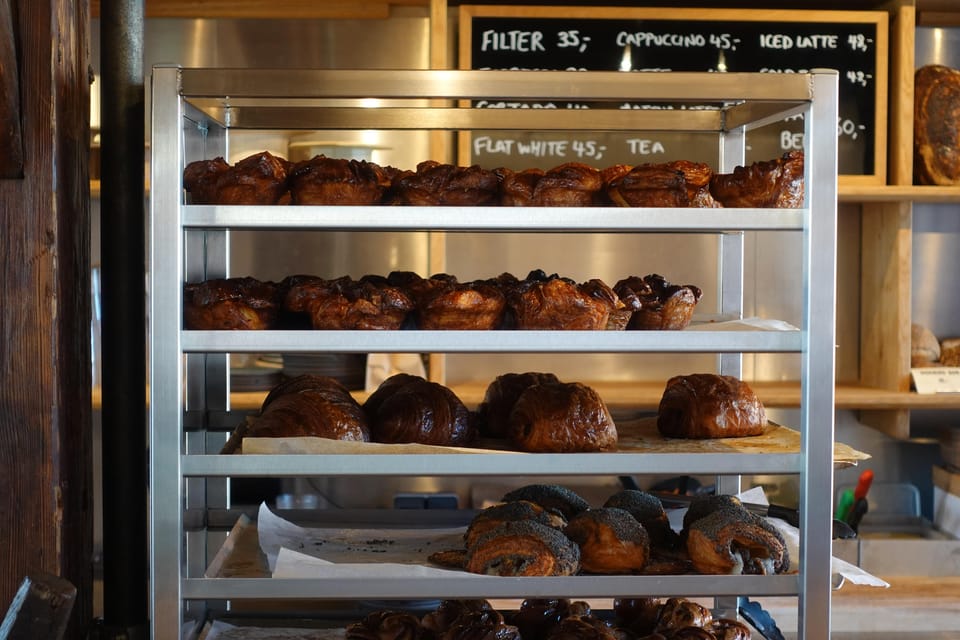
Five bakery stops in just two hours means you’ll eat a variety without turning the day into a full food marathon.
Classic Danish laminated pastries show up through Wienerbrød and other layered styles, so you taste texture, not just sweetness.
You’ll learn what each pastry is and why it matters as your guide ties flavors to local traditions.
The route is designed for walking with a total of about 5 km, so you get light city touring along the way.
Coffee is optional along the route rather than built into the price. If you want it, you’ll likely buy it as you go.
Guides focus on questions and often share practical tips for what to do next in Copenhagen.
Copenhagen’s Danish Pastry Tasting Tour: what it is, and what it isn’t
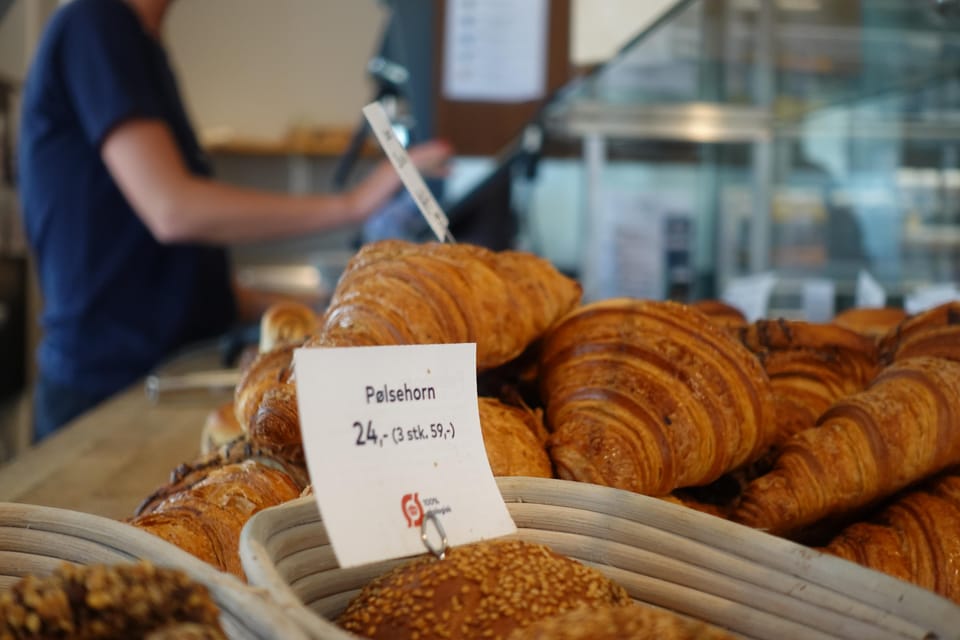
This is a guided food walk built around one idea: Denmark’s pastry culture is best understood by tasting it in context. You’ll move from bakery to bakery, sampling traditional Danish treats, while the guide connects what you’re eating to how Copenhagen’s neighborhoods and food habits developed.
It’s not a “see a pastry factory and leave” kind of tour. You’re not just collecting bites. You’re learning the names, shapes, and textures—then tasting the differences between them: flaky layers, buttery richness, and fruit-forward bars.
And yes, it’s also a good excuse to slow down in Copenhagen. When you’re walking between bakeries, you start noticing details you might miss on your own—shopfronts, street rhythms, and the way locals treat everyday food as a craft.
You can also read our reviews of more food & drink experiences in Copenhagen
Where it starts: Lagkagehuset and the easy-to-follow route
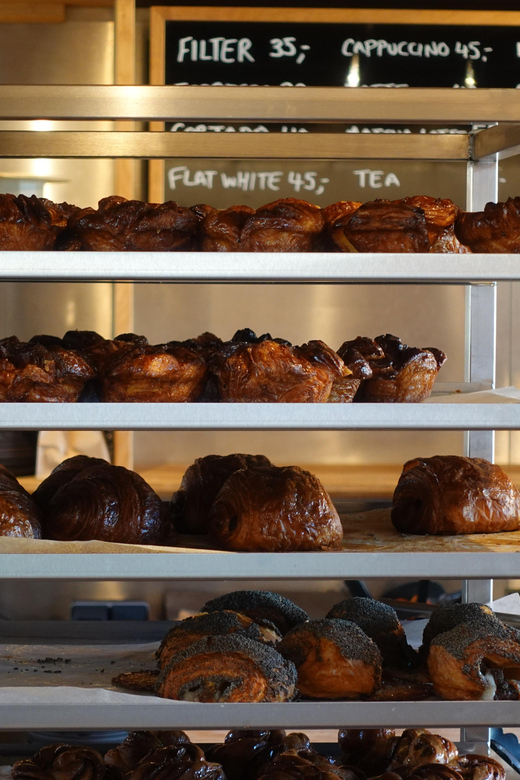
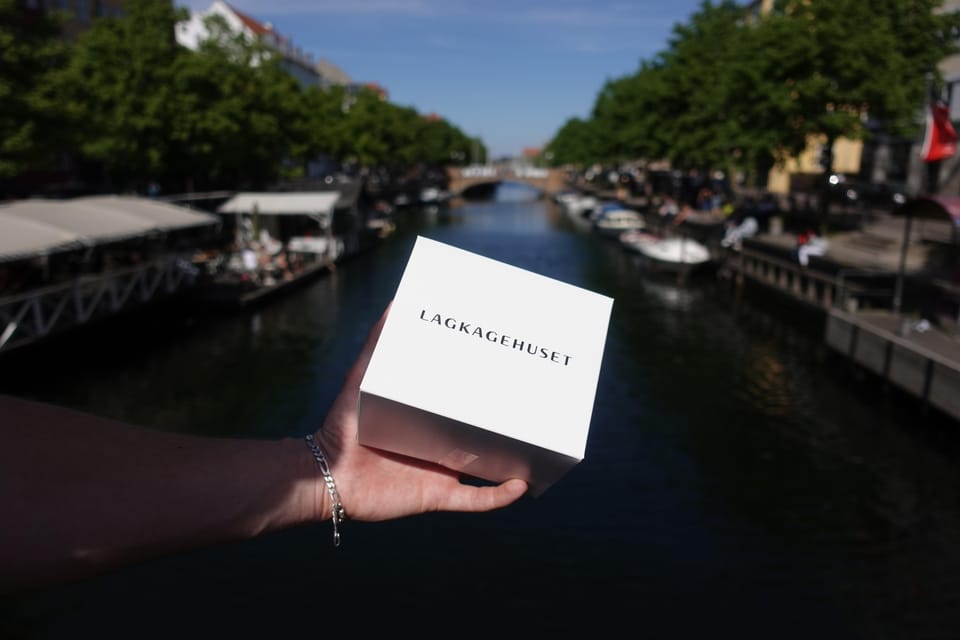
You meet your guide outside Lagkagehuset Bakery, then you’ll head out on foot. The entire tour covers about 5 kilometers (3 miles), and it’s paced for a steady strolling rhythm rather than a sprint.
I like that this start point is clear and central. If you’re arriving by transit, you can usually find your way to the meeting spot without a complicated plan. And because the route is spread across multiple stops, you’ll get a bit of neighborhood hopping without doing the heavy “coordinate everything” work yourself.
One practical note: the tour runs in winter and shoulder seasons too (it’s popular year-round), so dress for weather. You’ll be outside between bakeries, not in a climate-controlled tasting room. A warm coat and gloves aren’t overkill.
The pastries you’ll taste: what to watch for in each bite
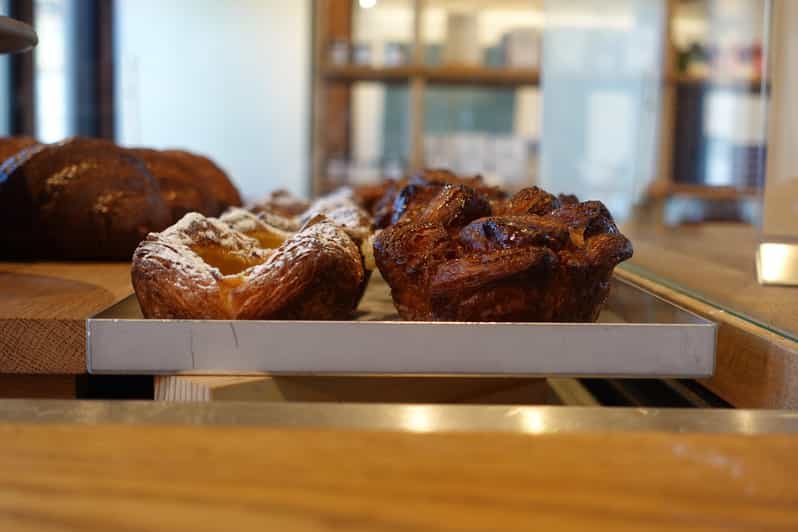
This tour is built around a lineup of Danish staples. Even if you’re not a pastry expert, you’ll quickly learn what to compare.
Wienerbrød (the layered classic)
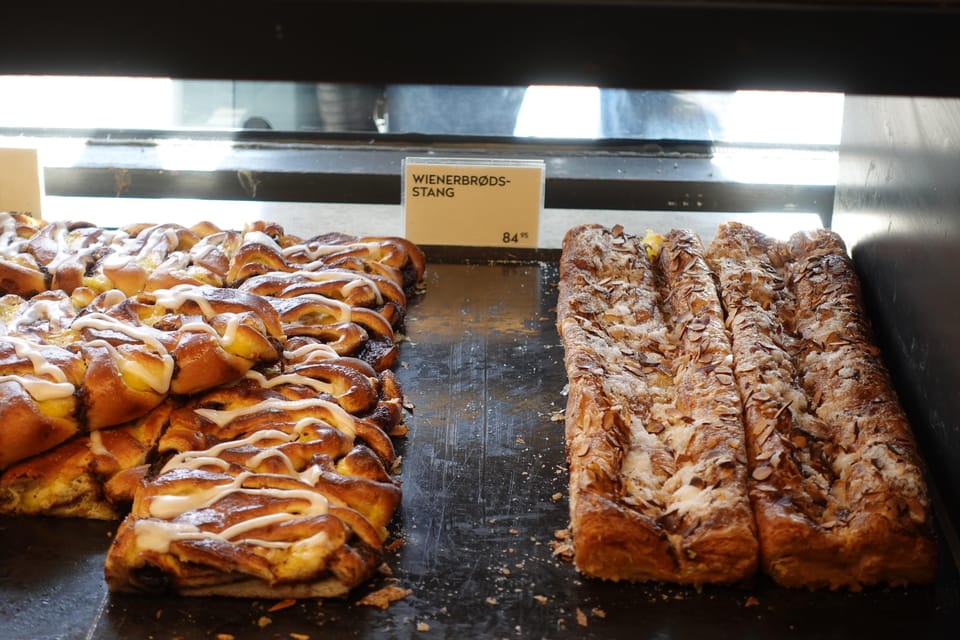
Wienerbrød is the laminated, flaky pastry that Copenhagen does so well. Expect lots of thin layers that crackle lightly under your bite. This is the pastry that teaches you the difference between “sweet bread” and “buttery pastry craft.”
Taste-wise, look for the way the layers shift from crisp edges to tender centers, plus the balance between buttery flavor and the sweetness of the filling.
Tebirkes (seeded and savory-leaning)
Tebirkes is the pop of contrast. It’s sweet, but it also has that comforting savory pull—especially with the topping. On a cold day, these kinds of pastries feel like a warm handshake.
If you’ve only ever had Danish pastries in bakeries back home, Tebirkes is one of the first places where you’ll notice Denmark’s style: not just dessert-flavored sugar, but pastry flavors with personality.





Hindbærsnitter (raspberry bars)
Hindbærsnitter are where things get fruity. You’ll get that jammy raspberry sweetness wrapped into a tender bar format. This is a nice mid-tour palate shift after more buttery, layered items.
Look for the texture contrast: soft pastry exterior against a filling that tastes concentrated and bright rather than watery.
Kringle (puff pastry feel)
Kringle shows up as another layered pastry style. The idea here is variety in how the layers behave, not just variety in names. Puffier bites, slightly different structure, and another angle on Danish butter craftsmanship.
Even if you don’t memorize every Danish word, you’ll start to “read” pastries by texture.
A mix of famous and local favorites
The tour also aims for variety, mixing more well-known bakeries with spots that locals actually choose. That matters because Copenhagen’s pastry scene isn’t one flavor or one style—it changes block by block, bakery by bakery.
Stop-by-stop: how the five bakery visits play out in real life
You’ll visit five bakeries in two hours, sampling something at each stop. Reviews often describe the portions as a half pastry per stop, and that pacing is smart: you taste widely without getting knocked out by sugar too early.
Here’s how to think about the flow.
Stop 1: start with a classic laminated pastry vibe
Your first tasting sets the baseline. If Wienerbrød is part of your route (it is in the tour lineup), this is usually where you’ll notice the iconic flaky layers most clearly—because your palate is fresh.
What to expect: crisp edges, buttery aroma, and a layered look that makes you wonder how they get that structure.
Quick caution: don’t rush the first bite. Take 10 seconds to notice the crunch vs. softness. That’s the moment the tour teaches you something, not just feeds you.
Stop 2: seeded pastries and the Denmark balance shift
Next you’re moving into something like Tebirkes—seed-topped, slightly savory-leaning, and less “cake-like” than many sweets. This is a good pivot because it resets your taste buds after the butter-forward items.
What makes this stop valuable: it shows that Danish pastry isn’t only about sugar and icing. There’s bread logic here, too.
Stop 3: fruit-forward for a palate reset
A tasting tied to Hindbærsnitter often works best after you’ve already had layered dough. Raspberry brings brightness—jammy sweetness that feels more modern and less heavy than pure custard-style fillings.
The benefit for you: by mid-tour, you’re not just eating more pastry—you’re comparing how flavors change when you alternate texture and sweetness.
Stop 4: another layered Danish style, different structure
Kringle is a second chapter of laminated or puff-like pastry. The goal is not repetition. The guide’s commentary helps you understand what’s structurally different and why that difference changes how the pastry tastes.
What to watch: the way it flakes versus how it puffs, and whether the filling feels integrated or separate from the dough.
Stop 5: a finishing selection with extra personality
Your last stop is where the tour usually gives you the “pick your favorite” moment. Depending on the guide and day, the final bakery often leans into a mix of classic and more contemporary options mentioned as part of the tour’s approach.
Practical tip: plan to share if you want to stay in control. Even with half portions, by the last stop you may be full. Sharing keeps the enjoyment high, not just the calories.
Guides turn a pastry walk into a Copenhagen walk
The biggest “how is this different?” factor is the guiding. Many of the tour leaders you’ll see referenced—Theo, Noah, Simon, Emily, Linea/Linnea, and Lysander—bring two skills at once: pastry storytelling and Copenhagen context.
You’ll hear explanations about the history and craftsmanship behind the treats, plus notes about Copenhagen life and local traditions. The best part: the tours often feel like a guided food chat, not a lecture.
A standout pattern from the experience:
- Guides tend to answer questions during the walk.
- You’ll get practical ideas for what to see next, not just what you just ate.
- The group stays moving, but pace can be adjusted. That matters when you’re mixing pastries and walking—people don’t all walk at the same speed in cold weather.
If you like learning while you eat, this tour hits that sweet spot.
Price and value: what $74 buys you in Copenhagen
At $74 per person for two hours, you’re paying for three things at once:
- a live English guide,
- access to five pastry stops,
- and a guided “compare and contrast” tasting format rather than random snack shopping.
If you tried to do this on your own, you’d have to pick bakeries, compare menus, and still figure out what to order to get the right variety. Here, you get a structure that pushes you toward Danish classics—Wienerbrød, Tebirkes, Hindbærsnitter, plus Kringle—so you’re not wasting your appetite guessing.
Also, the small group limit (up to 10 participants) helps. In a bigger crowd, tasting tours turn into line-waiting exercises. Here, it’s easier for the guide to keep track of people and keep the conversation going.
Walking pace, weather, and the real-life calorie strategy
This is a food tour, so yes, you’re going to eat. But it doesn’t have to feel like a food challenge.
A few things that help:
- Expect about 3 miles of walking total. That’s not extreme, but it’s enough to notice the cold.
- Plan for a slow-drink moment between tastings so you don’t rush the differences.
- Sharing is totally normal. Some guides and groups split portions, especially since you’re tasting at five bakeries.
If it’s rainy or icy, bring grippy shoes. You’ll be walking between shops, not hopping into taxis every time.
Small group dynamics: why this stays fun
With a maximum of 10 people, this tour has room for human interaction. Many groups report it feels social and relaxed, and that matters because pastry tasting works better when you’re not silently panicking about being in the wrong line.
If your group is small, you’re more likely to get answers to personal questions—about neighborhoods, pastry choices, and practical Copenhagen tips. And because you’re on foot, you’ll naturally talk more with fellow participants while waiting your turn at each bakery.
Who should book this tour
This tour is a strong pick if:
- you love pastry and want a focused Danish sampler,
- you enjoy learning while you eat (history, traditions, how things are made),
- you want a short walking route that also teaches you the city,
- you’re traveling with someone who likes food variety but doesn’t want a full-day plan.
It’s also a good choice if you’re only in Copenhagen for a limited time and want something high-impact that fits into half a morning or afternoon.
Should you book Copenhagen’s Best of Danish Pastry Tasting Tour?
If your idea of a great trip includes tasting local craft and hearing why it matters, I’d book this. The format is efficient—five bakeries in two hours—and it avoids the usual trap of “one good pastry stop and then you’re done.”
I’d hesitate only if you hate walking in bad weather or you’re very sensitive to eating a lot at once. The tour’s portions are designed to be manageable, but it’s still a pastry-forward experience with about 5 kilometers of walking.
If you do book, show up hungry, wear warm layers, and give yourself permission to share the later pastries. That’s how you keep the tour fun all the way to the last bite.
FAQ
Where do I meet the guide?
Meet your guide outside Lagkagehuset Bakery.
How long is the tour?
The tour lasts 2 hours.
How many bakeries will we visit?
You’ll visit 5 bakeries.
What kinds of Danish pastries are included in the tastings?
The tour highlights flaky Wienerbrød, Tebirkes, Hindbærsnitter, and Kringle, with a sampling at each bakery.
Is the tour a small group?
Yes. It’s limited to 10 participants.
How much walking is there?
The total walking distance is approximately 5 kilometers (3 miles).
Is the tour in English?
Yes. The live tour guide speaks English.
Is coffee included?
Coffee isn’t listed as included. You may be able to purchase coffee as you go.
What’s the cancellation policy?
You can cancel up to 24 hours in advance for a full refund.