REVIEW · COPENHAGEN
Good Morning, Copenhagen: Feel The Danish Hygge & Happiness
Book on Viator →Operated by Copenhagen By Mie · Bookable on Viator
Hygge in Copenhagen, without the museum fatigue. This 3.5-hour small-group morning walk moves from Nyboder yellow houses to Christiansborg Slot, with stories from a native English-speaking guide and regular stops for Danish treats along the way. You’re not speed-running sights. You’re learning how everyday comfort shapes the city.
I love how often the tour gives you an easy rhythm: Danish pastry, coffee or tea, and a flødeboller tasting that actually comes with context. I also like the practical finish at the end, with one-on-one recommendations and time to ask where to go next while the city is still fresh in your mind. One possible drawback: it’s exterior-only at the big landmarks, and with so many stops in one morning, you may want to plan a bit of independent return time if you fall in love with a specific spot.
In This Review
- Key highlights to look for
- Entering Nyboder Yellow Houses With a Copenhagen Guide
- Krusemyntegade Cobblestones and Timber-Framed Streets You Can Feel
- Danish Pastry Stop: When a Morning Walk Becomes a Tasting Tour
- Kongens Have and Rosenborg Exteriors: Royal Stories Without the Crowds
- Pistolstræde Alley Calm and the Flødeboller Moment
- From Busy Pedestrian Streets Back to a Quiet Square by Nikolaj Kunsthal
- Christiansborg Slot: Danish Welfare, Politics, and the Jante Idea
- Magstræde and a Café Finish on Læderstræde
- Price and Value: What $82.23 Buys You in a 3.5-Hour Hygge Morning
- Who This Tour Fits Best (and Who Might Feel It’s Too Light)
- Should You Book Good Morning, Copenhagen?
- FAQ
- How long is the Good Morning, Copenhagen tour?
- What is the price per person?
- Is the tour offered in English?
- How big is the group?
- Where does the tour start and end?
- What’s included in the tour?
- Are you able to go inside major landmarks?
- What should I bring for the walk?
- Is this tour good for kids?
- Can I cancel for a full refund?
Key highlights to look for
- A native English-speaking guide who tells the real cultural story, not just the dates
- Hygge through food: pastry, coffee or tea, and flødeboller sampling with explanations
- Exterior-only sightseeing that keeps the pace comfortable and avoids ticket lines
- Royal + everyday Copenhagen in one route, from parks and palaces to small lanes
- A café finish with personalized advice, so you leave with a plan, not just photos
- Small group size (max 10), which makes questions and conversations easy
Entering Nyboder Yellow Houses With a Copenhagen Guide
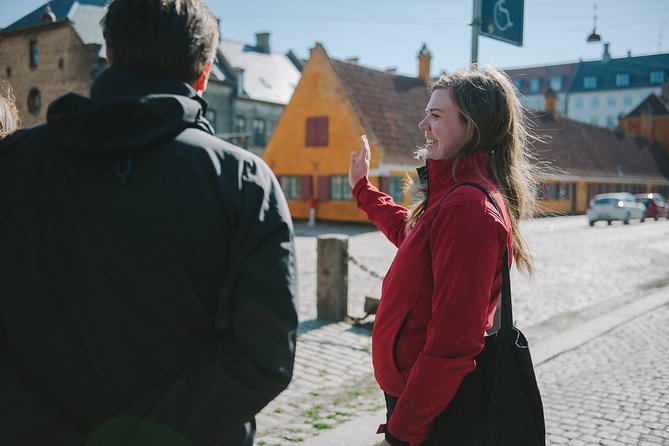
The tour starts near Krokodillegade, right in the orbit of Nyboder, the classic Copenhagen neighborhood known for its distinctive yellow houses. This is a smart way to begin, because it places you in the city’s human scale early on, before you hit the big tourist magnets. You’ll meet your native guide and your small group, then settle into the tour with a mix of history and everyday culture.
What makes this opening feel different is the guide approach. You’re not just getting facts. You’re getting the cultural meaning behind them: how Copenhageners think, what they value, and why the city’s quieter corners matter. It’s the kind of start that helps you understand later stops faster, because you already know what to pay attention to.
Practical note: this is a walking tour, so good shoes matter. Copenhagen streets can be slick, especially if you get a surprise drizzle, so bring an umbrella or rain jacket.
You can also read our reviews of more tours and experiences in Copenhagen.


Krusemyntegade Cobblestones and Timber-Framed Streets You Can Feel
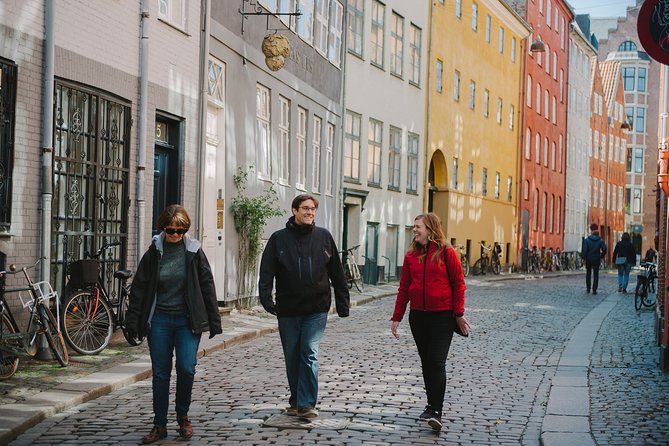
From Nyboder, the walk shifts into older parts of Copenhagen where the streets do a lot of the storytelling. Cobblestones, timber-framed houses, and calmer pockets of green create that hygge mood on their own. Krusemyntegade is one of the streets that really sells the vibe here, with old-world charm that slows your pace without forcing it.
This part of the tour is about attention. You’ll learn how to look at the city like a local: where the street widens for conversation, where small courtyards create breathing room, and how a simple quiet street can feel more important than a grand monument. Copenhagen often looks best when you’re not rushing it.
And since the group stays small, it’s easier to ask questions as you go. If you’re a first-timer who wants the city to make sense fast, this mid-morning framing is a big win.
Danish Pastry Stop: When a Morning Walk Becomes a Tasting Tour
One of the most enjoyable shifts in this experience happens around the pastry moment. The tour builds in a stop where you taste something Danish and connect it to daily life and Danish childhood. That matters, because it turns food from a random snack into a cultural signal.
You also get coffee and/or tea as part of the included refreshment. That’s not a tiny detail. In Copenhagen, a pause is part of the ritual. The tour helps you practice it on purpose, so you’re not just thinking about hygge. You’re doing it in real time.
If you’re the type who likes food tours but doesn’t want a full schedule of restaurants, this approach hits a sweet spot. You’ll still walk through key areas, but the tastings keep things human and relaxed instead of lecture-heavy.
Kongens Have and Rosenborg Exteriors: Royal Stories Without the Crowds
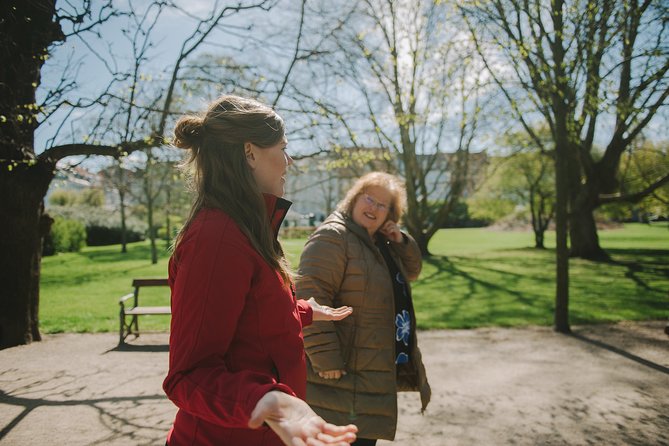
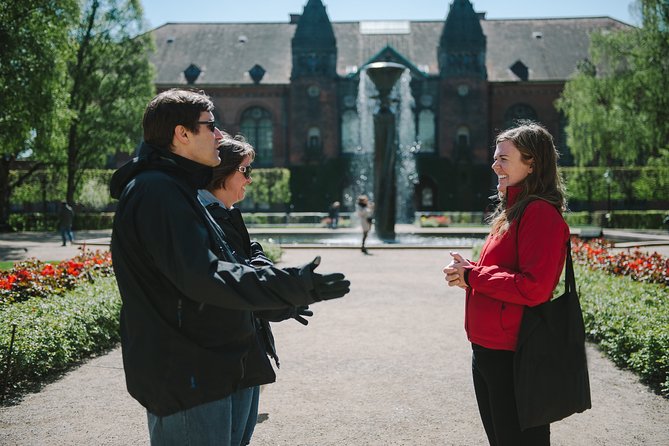
Next you move into Kongens Have, the King’s Garden. This is where Copenhagen gives you a visual reset. Even though you’re close to the inner city, the park’s calm makes it feel like the city briefly turned down the volume.
Your guide also shares the dramatic background of how it became one of the first public parks, plus the human chaos behind royal decisions—royal park drama, with inappropriate love triangles and mental instability vibes (handled with story energy, not grim lecturing). This kind of storytelling is fun, but it also teaches you how Danes handle history: with honesty, irony, and a sense of perspective.
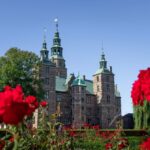
After the garden, Rosenborg Castle comes next, and you see it from outside. That exterior-only format can be a drawback if you want museum time, but it fits the overall philosophy of the tour. You keep moving, you keep absorbing, and you avoid spending your morning in lines or indoor crowds. For many visitors, that’s a practical trade.
Pistolstræde Alley Calm and the Flødeboller Moment
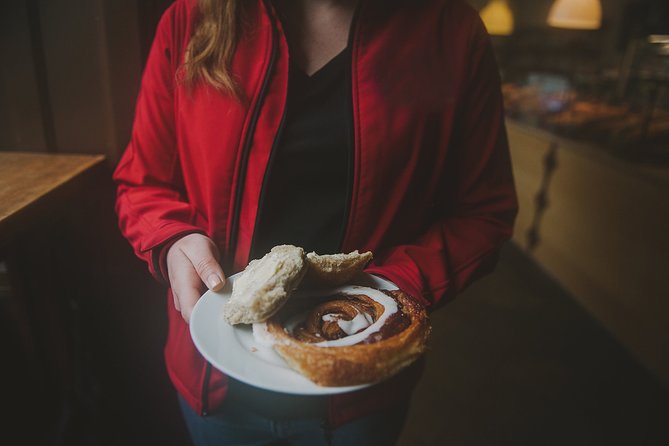
Then comes one of the tour’s best “breather” sections: Pistolstræde. This area is all about tucked-away charm and quiet atmosphere. It’s the kind of alley where the city feels close, but your mind finally gets space.
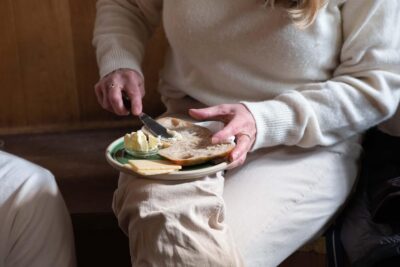
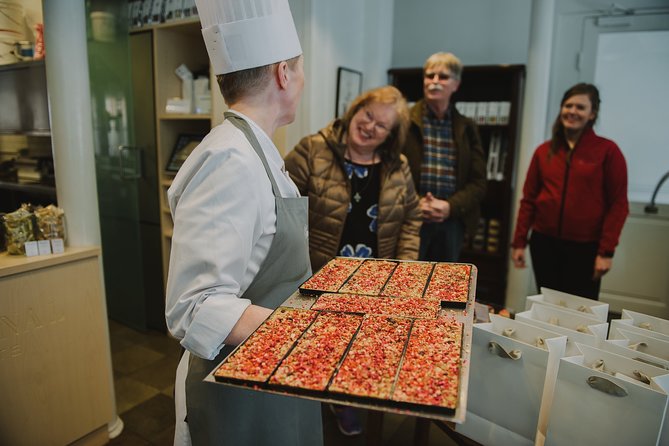
Here’s where the flødeboller tasting fits in. This is a Danish treat you’ll likely hear about before you ever taste it, but the guide’s explanation is what makes the stop memorable. You’ll learn how it ties into Danish hygge culture from a young age—so you’re not just eating something sweet, you’re understanding why it belongs in the cultural toolbox.
The format also encourages group bonding. You sit down, you share bites, and you listen. That’s not just about food. It’s a classic hygge setup: comfort, conversation, and a gentle pace.

From Busy Pedestrian Streets Back to a Quiet Square by Nikolaj Kunsthal
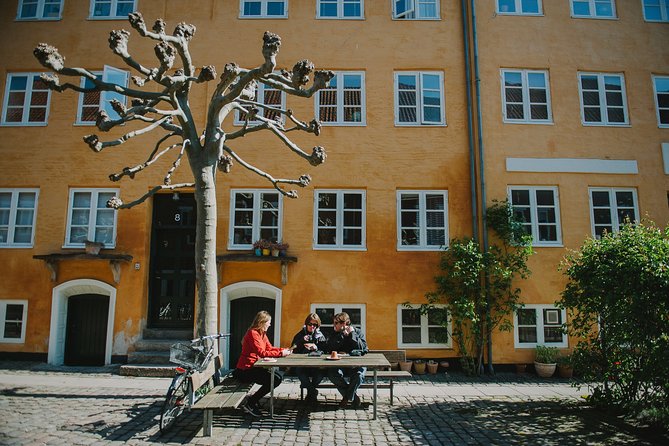
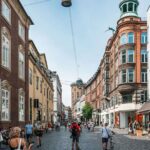
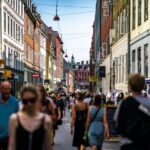
After small lanes and quieter corners, the route intentionally creates a contrast. You’ll notice the shift from calm pockets to a busier pedestrian area with lots of foot traffic and storefront energy. That change matters because hygge isn’t only found in silence. It also shows up when you actively create relief from the noise.
Then the tour detours again into a quieter cobblestone-filled square near Nikolaj Kunsthal. The focus here is architecture that looks like it belongs to a church—at least at a glance—but isn’t what it seems in today’s Copenhagen. Your guide talks about Copenhageners’ views on religion and how that shows up even now.
This stop also includes a practical, photo-friendly element. You’ll get a chance to admire the spire from below, and yes, you’ll probably be looking up a lot. That’s one of those small details that makes the tour feel alive.
Christiansborg Slot: Danish Welfare, Politics, and the Jante Idea
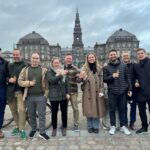
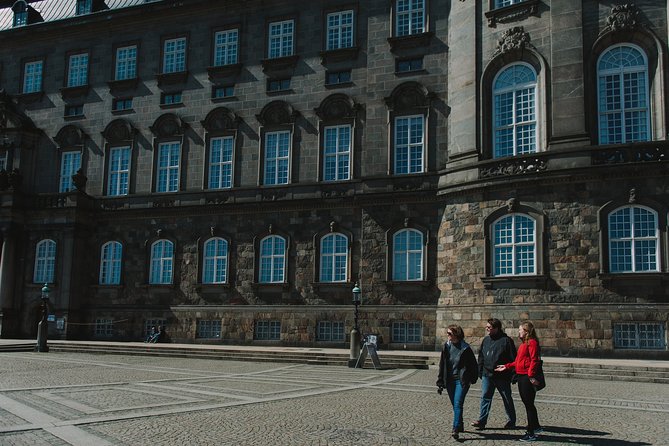
Christiansborg Slot is the tour’s most brainy stop, and it’s also where the “happiness” part becomes more than a slogan. Today, the palace serves as the Danish parliament, and the guide connects what happens here to how Denmark is built—and why Danes consistently rank among the happiest people in the world.
You’ll hear about the mind-boggling Danish welfare system and a cultural idea called Jante. In simple terms, Jante is the social rule that discourages arrogance and pushes humility. The guide links this to trust and everyday behavior, including how Denmark’s systems support that trust.
This is one of the best parts for visitors who want more meaning behind what they’re seeing. You don’t just walk past government architecture. You learn the cultural logic behind why certain values show up in daily life—how people relate to each other, how society functions, and why comfort and fairness can go together.
Magstræde and a Café Finish on Læderstræde
As you head toward the ending stretch, you’ll pass through Magstræde, another small Copenhagen street with serious old-world charm. This is the kind of place that feels made for slow photos and calm conversations. The tour treats these lanes like punctuation marks: they help you transition from big ideas back to the city’s human scale.
You wrap up on Læderstræde in one of the city center’s best cozy cafés. This is where the experience turns practical. You’ll have time with your guide, who can recommend places to eat, explore, and return to after the tour ends. You’ll also get a cup of coffee or tea—plus a small souvenir described as a sustainable slice of Copenhagen.
I like this ending because it fixes a common problem. Many tours end with a photo spot and good luck. Here, you end with advice you can actually use.
Price and Value: What $82.23 Buys You in a 3.5-Hour Hygge Morning
At about $82.23 per person for roughly 3 hours 30 minutes, you’re paying for three things at once: a local guide, structured walking time, and included food and drink.
The value is strongest if you care about culture as much as sights. This isn’t a tour that only points and moves. It’s a tour that ties streets, parks, and politics to Danish customs like hygge and happiness. That’s harder to replicate on your own if you don’t already know how to connect the dots.
You also get real included comfort: coffee and/or tea, Danish pastry, and flødeboller sampling. On a morning walk, those included breaks prevent the common spend-and-stress cycle where you’re constantly choosing overpriced snacks just to stay fueled.
One more value point: the group cap of 10 people. In Copenhagen, that size often means you actually get answers. You’re not shouting over a crowd to ask one question.
Who This Tour Fits Best (and Who Might Feel It’s Too Light)
This experience is ideal if you want:
- A first-time Copenhagen overview that still feels local
- A relaxed pace with frequent pauses built in
- Danish culture explained through everyday life, not only monuments
- Included tastings and a guide who can suggest where to go next
It may not fit you as well if you want deep museum time. The tour doesn’t access interiors at several major stops, including Rosenborg Castle, Christiansborg Palace, Nikolaj Kunsthal, and others listed for exterior-only viewing. If your vacation style is all indoor highlights and ticketed rooms, you’ll likely want to pair this with a separate attraction you can enter.
Also, it’s a walking tour with a moderate physical fitness level recommended. Copenhagen walking is usually manageable, but if you’re sensitive to cobblestones or long stretches, plan accordingly and wear supportive shoes.
Should You Book Good Morning, Copenhagen?
If you want your Copenhagen trip to feel like real Denmark early on, I think this is a smart booking. The format is built around hygge: slow walking, quiet corners, and food breaks that come with meaning. The small group size helps the tour feel personal without getting too serious.
Book it if you’re the type who likes learning how people live, not just where to stand for photos. Skip it or treat it as a companion activity if you’re hunting for lots of indoor access or long time in a single landmark.
My bottom line: this is a very solid “get your bearings fast” Copenhagen morning that teaches you how to enjoy the city the Danish way.
FAQ
How long is the Good Morning, Copenhagen tour?
It runs about 3 hours 30 minutes.
What is the price per person?
The price is $82.23 per person.
Is the tour offered in English?
Yes. The tour is offered in English.
How big is the group?
The group is limited to a maximum of 10 travelers.
Where does the tour start and end?
It starts at Krokodillegade 21, 1326 København K, Denmark, and ends at Læderstræde in Copenhagen City Centre.
What’s included in the tour?
Included are a native English-speaking guide, one-on-one recommendations, coffee and/or tea, pastry, and Danish hygge tastings included as part of the experience.
Are you able to go inside major landmarks?
No. The tour does not access the inside of buildings at places including the King’s Yellow Houses, Rosenborg Castle, Christiansborg Palace, the Old Stock Exchange, and Nikolaj Kunsthal.
What should I bring for the walk?
Wear suitable footwear for walking, and bring an umbrella or rain jacket in case of rain.
Is this tour good for kids?
Yes. Children ages 6 to 11 can join at the listed child rate. Children under 6 can join free of charge if you inform the provider at booking.
Can I cancel for a full refund?
Yes, free cancellation is available up to 24 hours in advance for a full refund. If you cancel less than 24 hours before the start time, the amount paid is not refunded.