REVIEW · COPENHAGEN
Copenhagen: The Six Forgotten Giants Hunt and Nature Walk
Book on GetYourGuide →Operated by Milad Shekhzada · Bookable on GetYourGuide
Six trolls, way better than they sound.
This Thomas Dambo giant hunt is a refreshing break from Copenhagen’s museum-and-palace rhythm. You’ll follow a simple “find the sculptures” mission through parks and countryside, tracking giants made from recycled materials in spots that feel purposely weird—in a good way.
I especially like the small-group pacing with Milad Shekhzada, since the route is spread out and the time flies (in about 4 hours). The one drawback to plan for: the walk is moderate, and Denmark weather can change quickly, so you’ll want solid shoes and rain gear.
In This Review
- Key things to know before you go
- Why this Copenhagen trip is really a troll-hunt nature walk
- Meeting in town, then heading out: how the 4-hour rhythm works
- Giant Stop 1: Sleeping Louis, and learning to see the clues
- Giant Stop 2: Hilltop Trine and the reward of uphill views
- Giant Stop 3: Oscar Under the Bridge, built for surprise photos
- Coffee break after Oscar: regroup before the second half
- Giant Stop 4: Thomas on the Mountain and the fun of height
- Giant Stop 5: Little Tilde, small enough to make you look twice
- Giant Stop 6: Teddy Friendly and the finale feeling
- The nature side: how the walk stays manageable
- Weather-proofing: what to pack for Denmark’s fast changes
- Value check: is $137 per person worth it?
- Who should book this giant hunt (and who should skip it)
- Final verdict: should you book the Six Forgotten Giants?
- FAQ
- Where do we meet for the tour?
- How long does the experience take?
- How big is the group?
- Is the tour guided in English?
- Do you provide transportation?
- What’s included, and are meals part of the price?
- How much walking is involved?
- What should I bring given Denmark weather?
- Are unaccompanied minors allowed?
Key things to know before you go
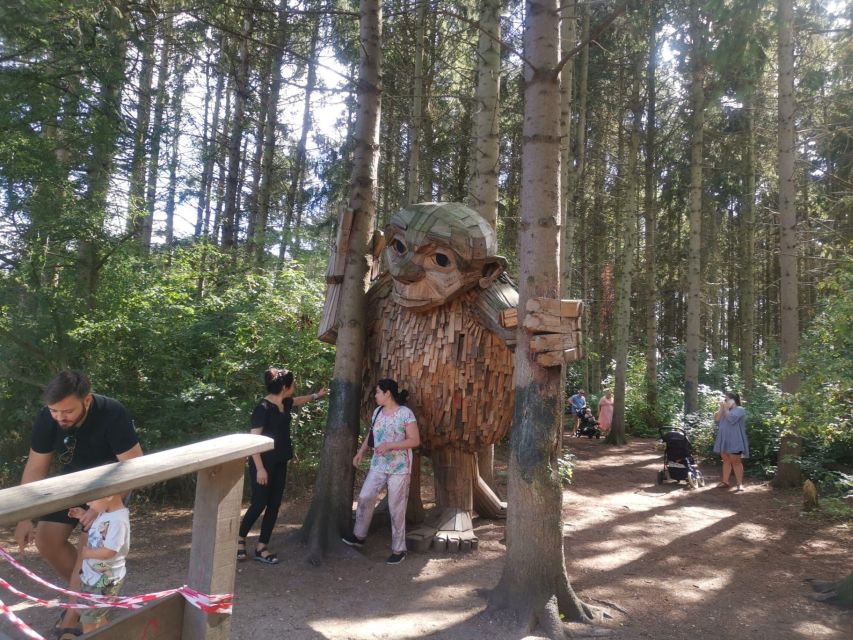
- Six Giants, one mission: You’ll look for a full set of Dambo’s Forgotten Giants in a single, efficient half-day.
- Photo-friendly hiding places: You’ll spot giants on hillsides, tucked between trees, and even under a bridge.
- A guide who plays host: Milad’s style is interactive, patient, and focused on getting you to each stop at a comfortable pace.
- Short walking sections: You’ll be on your feet, but the hikes are planned so they don’t feel punishing.
- Coffee break included: After the first three giants, you get a breather to reset.
- Private transport from Copenhagen: A comfortable ride takes the edge off the “where are we going?” moments.
Why this Copenhagen trip is really a troll-hunt nature walk
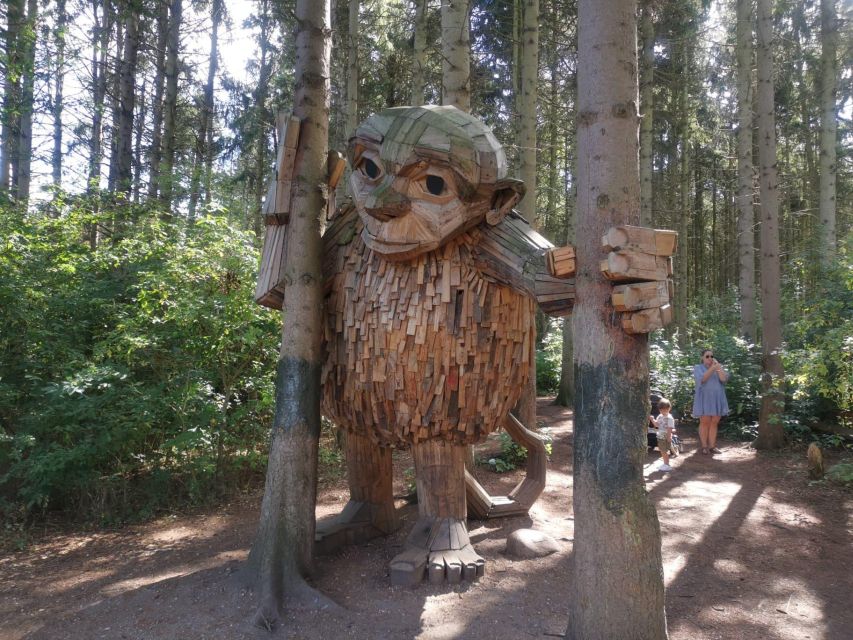
Copenhagen can be gorgeous, but it can also feel like nonstop plans. This experience flips the script. Instead of crowds and indoor tickets, you get fresh air, winding paths, and the hunt itself becomes the entertainment.
The hook here is that these aren’t generic statues you pass on a street corner. The Forgotten Giants are outdoors, made from recycled materials, and placed like puzzles in the landscape—so you’re not just looking at art. You’re learning how to spot it, then chasing the next clue to the next giant.
I also like that the vibe stays light. The names alone help—Sleeping Louis, Hilltop Trine, Oscar Under the Bridge, Thomas on the Mountain, Little Tilde, and Teddy Friendly. It’s whimsical without feeling childish, and it gives you an easy way to remember what you saw.
You can also read our reviews of more walking tours in Copenhagen

Meeting in town, then heading out: how the 4-hour rhythm works
You meet outside the YMCA Interpoint Hostel, and then you’re off to the start of the hunt. The drive from Copenhagen is about 25 minutes, which matters because it keeps the adventure feeling like an actual getaway, not just a short excursion.
The route is structured around visiting all six giants without turning your day into a stressful transit maze. Milad Shekhzada handles the driving via private transportation, so you’re free to focus on walking bits, spotting sculptures, and asking questions as you go.
Timing feels smart. Even though you’ll have multiple stops and some walking at each one, the overall duration is about 4 hours. That length is long enough to visit everything and short enough that you’re still fresh when you return to Copenhagen.
Giant Stop 1: Sleeping Louis, and learning to see the clues
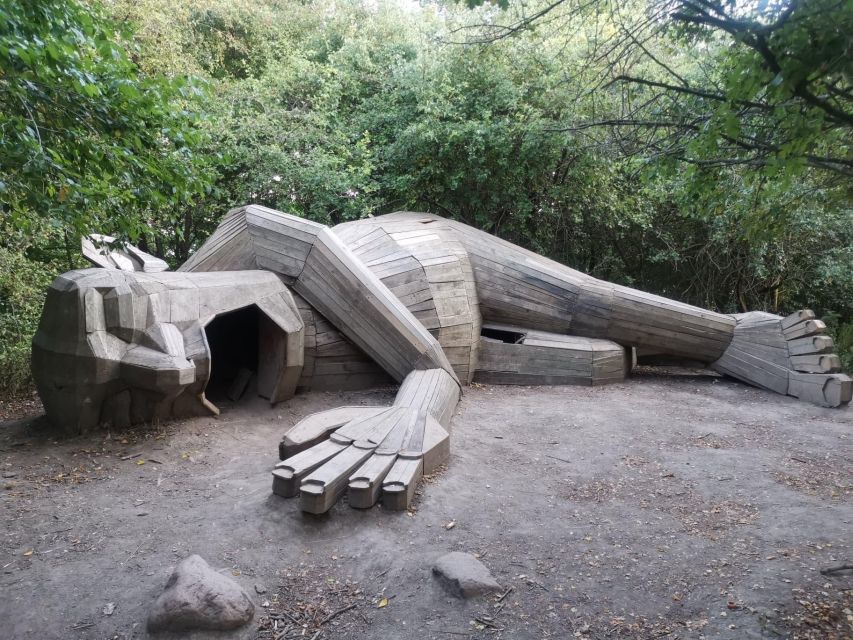
Sleeping Louis sets the tone early: look for a giant that feels at rest, the kind that makes you do a second pass with your eyes. It’s a good first stop because it trains your brain for the hunt style. You start paying attention to angles, tree lines, and the small “is that part of the sculpture?” moments.
What you’ll love here is the feeling of moving from city life into calmer surroundings fast. Even the early part of the walk tends to feel peaceful, since you’re already out of the busiest center and into park-like areas.
One small practical note: the best photo moments often come when you stop for a beat and reposition. If you rush at the first giant, you’ll miss the best framing opportunities.
Giant Stop 2: Hilltop Trine and the reward of uphill views
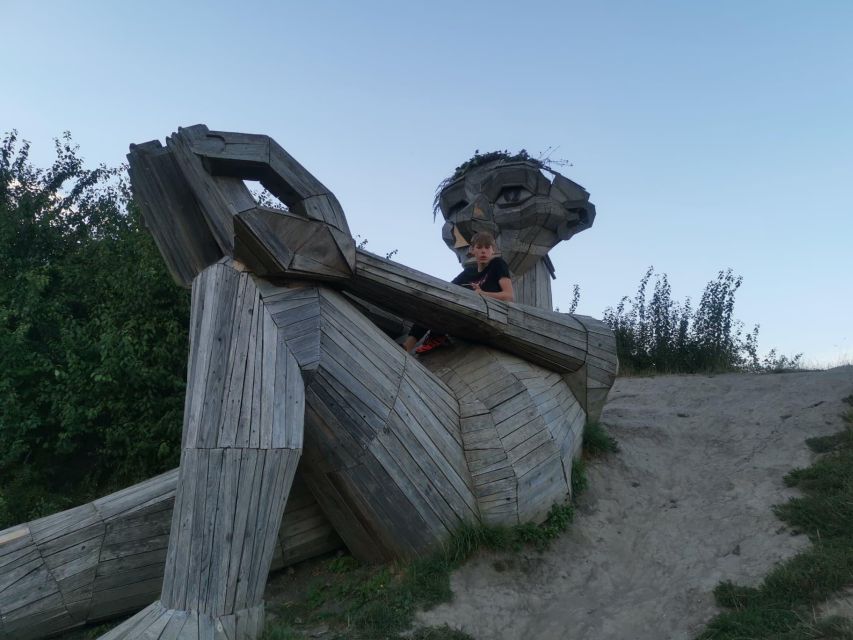
Hilltop Trine is the stop built for payoff. Her name hints at the point: you’re aiming for a viewpoint, and you’ll get one. This is where the “nature walk” stops being just a stroll and turns into a mini hike with a purpose.
The setting is part of the fun. You’re not just standing next to a sculpture. You’re moving into a spot where the surroundings help tell the story—trees, open sightlines, and that feeling of stepping above the everyday.
If you’re the kind of person who likes photos, this is a strong candidate for your best shot of the day. You’ll want good light and you’ll likely want time for both wide scenery and close-ups.
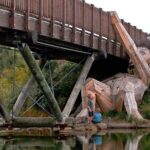
Giant Stop 3: Oscar Under the Bridge, built for surprise photos
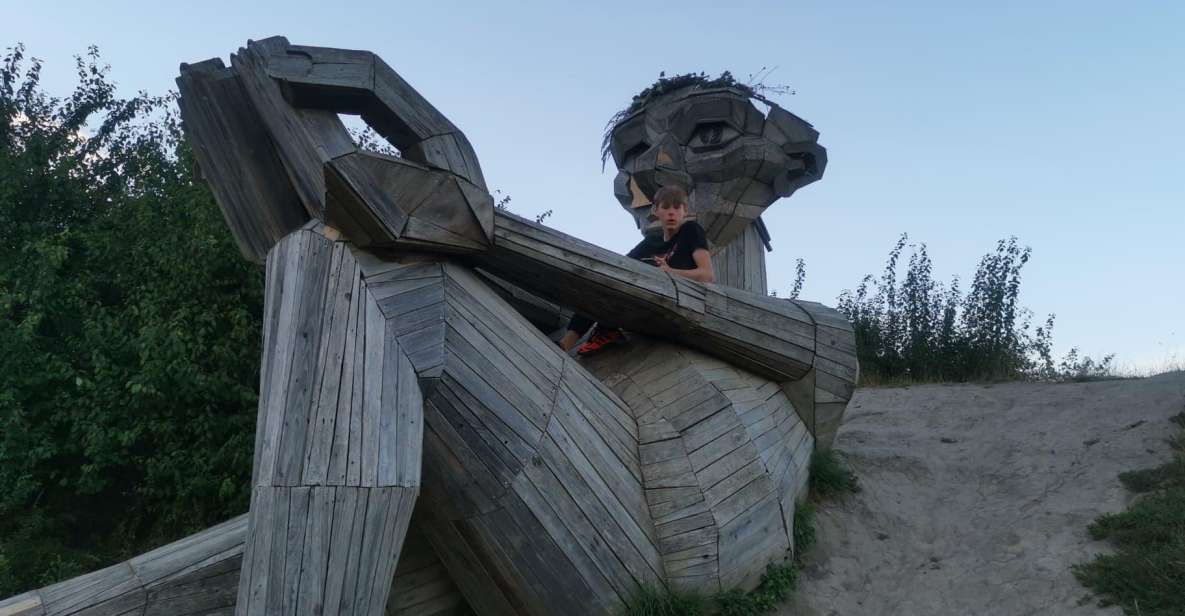
Oscar Under the Bridge is where the hunt gets playful. The location detail matters because it changes how you search. Instead of looking for something tall and obvious, you’re scanning differently—checking under structures and using your perspective to spot him.
This is also where the day starts to feel like a real game. You learn that the giants aren’t always placed where your eyes naturally go, so you slow down and “hunt” instead of “tour.”
And yes, this stop is made for photos. If you’re traveling with friends or family, this is the moment you can turn into a quick photo challenge: who spots Oscar first.

Coffee break after Oscar: regroup before the second half
Right after the third giant, you’ll take a short coffee break. Meals aren’t included, but this pause is a smart reset. It gives your legs time to recover a bit and lets you hydrate before continuing.
If the weather has turned—rain, wind, or a sudden chilly spell—this break also helps you stay comfortable. Denmark can shift fast, and having a planned pause keeps you from feeling like you’re trudging through conditions with no break.
Bring any snacks you like, too. You’re allowed to bring your own, and having something small in your bag makes the middle stretch easier.
Giant Stop 4: Thomas on the Mountain and the fun of height
Thomas on the Mountain is the stop that’s all about scale. When a giant has a “height advantage,” you can expect the view and angles to feel more dramatic than the earlier ones.
This is one of the points where the private-transport structure really helps. With the driving handled, you can focus on the walking and then enjoy the sculpture’s placement without worrying about timing.
Don’t just grab a quick snap and move on. With taller placements, you’ll often want a couple of shots: one from farther back to catch the whole form and one closer to show textures and the recycled-material character.
Giant Stop 5: Little Tilde, small enough to make you look twice
Little Tilde shifts the dynamic. If the earlier giants feel like “big wow” moments, this one can feel more intimate. Smaller sculptures often mean you’ll spend more time searching carefully, and that’s part of the charm.
It’s also a good stop for close-up photos—especially if you like detail work, textures, and the way art interacts with surrounding branches and light. You’ll likely find yourself crouching or changing angles to get the best framing.
This is also a nice moment to slow down mentally. The hunt energy is still there, but you’re in the portion of the day where you can enjoy what you’ve found, not just chase it.
Giant Stop 6: Teddy Friendly and the finale feeling
Teddy Friendly is the last giant on the list, and the name tells you what it’s designed to feel like: cuddly, friendly, and an easy ending point for the whole hunt theme.
By the final stop, you’ll have learned the rhythm. You know how to spot the sculptures, how the guide expects you to search, and where your best photo angles tend to be. That makes the last moment feel calmer and more rewarding.
It’s also a strong “souvenir” moment for your brain. When you remember the day later, it’s easy to recall the ending giant because the vibe is so clear and playful.
The nature side: how the walk stays manageable
This is not a hard trek. The walking is described as moderate, with planned breaks. In practice, the route is broken into sections so you’re not stuck grinding for hours without a pause.
That matters in Copenhagen, because many people arrive with a big-city walking mindset and expect everything to feel like steep hills or long distances. Here, the countryside feels like a change of pace—more about moving between art installations in nature than suffering through exercise.
You’ll still want comfort as a priority. Good shoes aren’t optional if you want to enjoy the hunt instead of concentrating only on foot fatigue.
Weather-proofing: what to pack for Denmark’s fast changes
Denmark weather can turn in the middle of a morning, even when the day starts fine. The tour guidance is clear: bring an umbrella and rain gear, plus comfortable clothes you can move in.
I also recommend planning like this:
- Bring water so you stay steady through all six stops.
- Add snacks so the coffee break isn’t the only moment you feel human.
- Dress in layers so you can adjust when clouds roll in or the sun comes back.
If you’re the type who hates getting cold halfway through a walk, this is the difference between a fun hunt day and a “why did I wear this?” day.
Value check: is $137 per person worth it?
At $137 per person for about 4 hours, the cost isn’t “cheap,” but it’s also not out of line for an experience that bundles a lot of friction out of your day. You get a live English guide, private transportation, and a coffee break, and—most importantly—you get local eyes for finding sculptures that are spread out.
If you tried to do this on your own, you’d likely spend extra time figuring out routes, hunting for each location, and guessing where you’d actually park or walk. The payoff of paying for the guide is that you spend your limited travel time on the art and the walk, not on logistics.
The small-group cap at 6 participants also adds value. It’s not a massive herd, which makes it easier to ask questions, keep up at a comfortable pace, and get photos.
Who should book this giant hunt (and who should skip it)
This is perfect if you want a break from the city routine and you like playful, outdoor activities. It’s also a strong match for art lovers who appreciate how creativity can show up in nature, using recycled materials and hiding in plain sight.
You should think twice if you have walking difficulties or physical limitations, since the tour includes moderate walking and is outdoors. The guidance also notes that unaccompanied minors aren’t allowed, even though the experience is described as suitable for participants of all age groups.
If you travel solo, the small-group format can feel social without being overwhelming. And if you’re traveling with people who don’t want an hour-by-hour museum plan, this gives everyone something fun and moving to do.
Final verdict: should you book the Six Forgotten Giants?
I’d book it if you want Copenhagen at a slower tempo with a clear mission. The combination of six outdoor sculptures, private transport, and a planned nature walk makes this one of those half-day experiences that leaves you smiling and not exhausted.
Skip it only if you’re not comfortable with moderate walking or you know rain will ruin your mood. Otherwise, this is a smart way to see an offbeat side of the region—trolls included.
FAQ
Where do we meet for the tour?
Meet outside of the YMCA Interpoint Hostel.
How long does the experience take?
The duration is 4 hours.
How big is the group?
It’s a small group limited to 6 participants.
Is the tour guided in English?
Yes, it includes a live tour guide in English.
Do you provide transportation?
Yes. Private transportation is included, and there’s about a 25-minute drive after meeting.
What’s included, and are meals part of the price?
Included are the guide, private transportation, and a coffee break. Meals are not included.
How much walking is involved?
The tour involves moderate walking and may include short routes between stops. Comfortable shoes are recommended.
What should I bring given Denmark weather?
Bring water, snacks, rain gear, and an umbrella, plus weather-appropriate clothing and comfortable shoes.
Are unaccompanied minors allowed?
No. Unaccompanied minors are not allowed on this activity.