REVIEW · COPENHAGEN
3-Hour Private Copenhagen Walking Tour
Book on GetYourGuide →Operated by Copenhagen Walking Tour · Bookable on GetYourGuide
Copenhagen tells its story best on foot. This 3-hour private walking tour is built around the city’s big landmarks and the threads that connect them, from City Hall Square to Strøget and on to the royal quarter. I like that the guide mixes clear facts with human-scale stories, including Andersen details that make the places feel more personal.
The one thing to plan for is the walking: you’re set for about 3–4 kilometers at a leisurely pace, and it is not designed for wheelchair users or people with mobility impairments or heart problems.
In This Review
- Key highlights at a glance
- A 3-hour private walk that strings together city hall, royals, and Andersen
- Meeting at the HC Andersen Statue near Tivoli
- City Hall Square, Strøget, and the old-town squares that do the legwork
- Christiansborg Palace: where Denmark’s public story happens
- Little Mermaid to Nyhavn: quick storytelling, then harbor reality
- Amalienborg and Marmorkirken: finishing with the royal square and the big dome
- Price and value: what $189 per person really buys
- Who this tour fits best (and who should skip it)
- Should you book this Copenhagen walking tour?
Key highlights at a glance

- Meet at the HC Andersen Statue by City Hall, facing the Tivoli sign, so you start oriented and ready
- Rådhuspladsen + City Hall clock tower stories that explain why this square matters
- Strøget and the old-town squares (including Gammeltorv/Nytorv) for prime people-watching and easy photos
- Christiansborg Palace and Denmark’s power center in one walkable chunk
- Nyhavn’s harborfront shift, from trading port roots to today’s cafe-and-boat energy
- Amalienborg finishing point plus views toward Marmorkirken (Frederik’s Church)
A 3-hour private walk that strings together city hall, royals, and Andersen
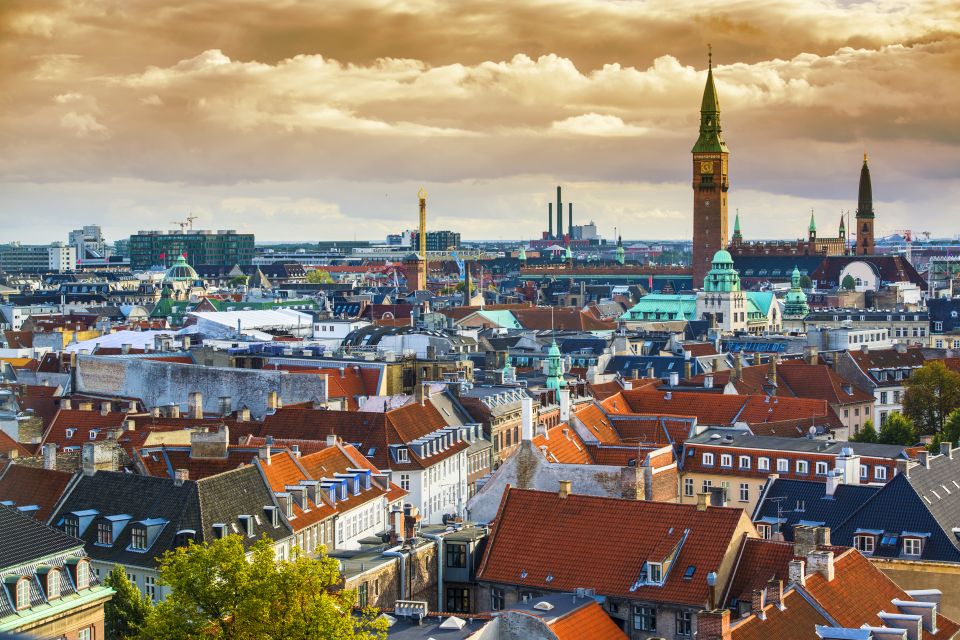
If you only have a short window in Copenhagen, this format makes sense. A private guide keeps the pace comfortable and lets you ask questions as you go, instead of trying to decode everything from a map. You get a tight route through the places most visitors aim for, but you also get explanations that make the route feel like one connected story, not a checklist.
The tour’s value shows up in the way it balances three big themes. First is the public face of the city around City Hall Square. Second is the civic and political heart at Christiansborg Palace. Third is the cultural imagination tied to Hans Christian Andersen, plus the harbor and royal residences that shaped Copenhagen’s identity.
One note on expectations: food isn’t included, so if you want a pastry or coffee stop, you’ll need to treat it as an optional detour. That said, the pace is built for photos and short breaks, so you can keep moving without feeling rushed.
You can also read our reviews of more walking tours in Copenhagen


Meeting at the HC Andersen Statue near Tivoli
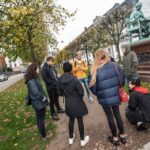
You start at the HC Andersen Statue by City Hall, specifically where it faces the Tivoli sign. That’s a smart meeting point. It’s central, easy to spot, and it gives you a built-in theme for the day: Andersen’s Copenhagen.
Right away, the guide sets the tone. You’re not just walking between sights—you’re learning how to read the city as you go. The opening segment is a great moment to ask practical questions too, like where the best viewpoints are and what to skip if weather turns.
This also helps if you’re traveling with different interests. If you care more about architecture, you’ll get the structure. If you care more about storytelling, you’ll get the human side. Guides who have led this tour in the past have been praised for mixing historical facts with anecdotes and adapting to what the group wants to see.
City Hall Square, Strøget, and the old-town squares that do the legwork

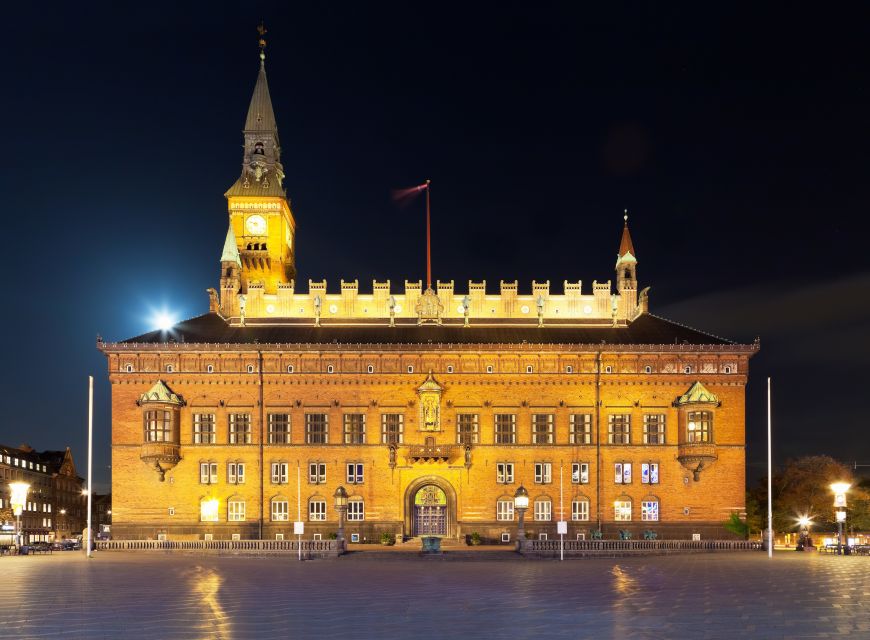
The route naturally kicks off at Rådhuspladsen (City Hall Square). You’ll see the impressive City Hall building and clock tower, but the real payoff is the guide’s context—how this space became a hub for modern city life. Copenhagen has a strong sense of planning, and City Hall Square is where you feel it.
From there, you walk into the pedestrian core: Strøget, one of Europe’s longest shopping streets. Even if you’re not shopping, Strøget is useful for a walking tour because it gives you constant rhythm. You pass storefronts, cafes, and street activity, so you can sense the city’s energy without dealing with vehicle noise.
Between major stops, you also hit areas like Gammeltorv/Nytorv. These squares help you break up the longer stretches and spot the old-town texture that’s harder to notice if you only zoom from one attraction to the next. If you like street-level history, this is where you get it: the buildings, the corners, the sense of how people move through the city.
Practical tip: wear comfortable shoes. The tour is leisurely, but it’s still a walking route with multiple photo moments. If your feet are already tired from previous days, plan a slightly lighter morning so you can enjoy the afternoon without counting the minutes.
Christiansborg Palace: where Denmark’s public story happens
This is one of the tour’s strongest segments because it’s more than a pretty building. Christiansborg Palace is described as the heart of Danish democracy, and you’ll learn why: it connects the Parliament, Supreme Court, and royal reception spaces under one roof.
That matters because Copenhagen can sometimes feel orderly and reserved if you only focus on canals and facades. Christiansborg gives you another angle. You see how governance, law, and monarchy intersect in a city that’s proud of institutions.
As you move through the area, you’ll also pass through Højbro Plads, which helps bridge the route between the older core and the palace zone. It’s a good transition stop: it’s close enough to keep your legs comfortable, and it gives the guide space to explain what changed over time in this part of town.
What I like about this section is that you’re not stuck behind a fence waiting for the perfect angle. You’re walking at human scale, so architecture becomes something you can experience from multiple angles—rather than just one postcard view.
Little Mermaid to Nyhavn: quick storytelling, then harbor reality
The Little Mermaid stop is short but meaningful. The point here isn’t only a photo. It’s the guide telling the story behind the statue, tied to Hans Christian Andersen’s work. That puts the landmark into a wider cultural framework, especially if you’ve been hearing Andersen’s name since you arrived.
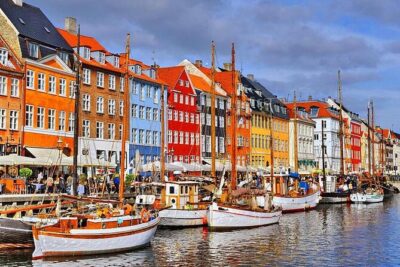
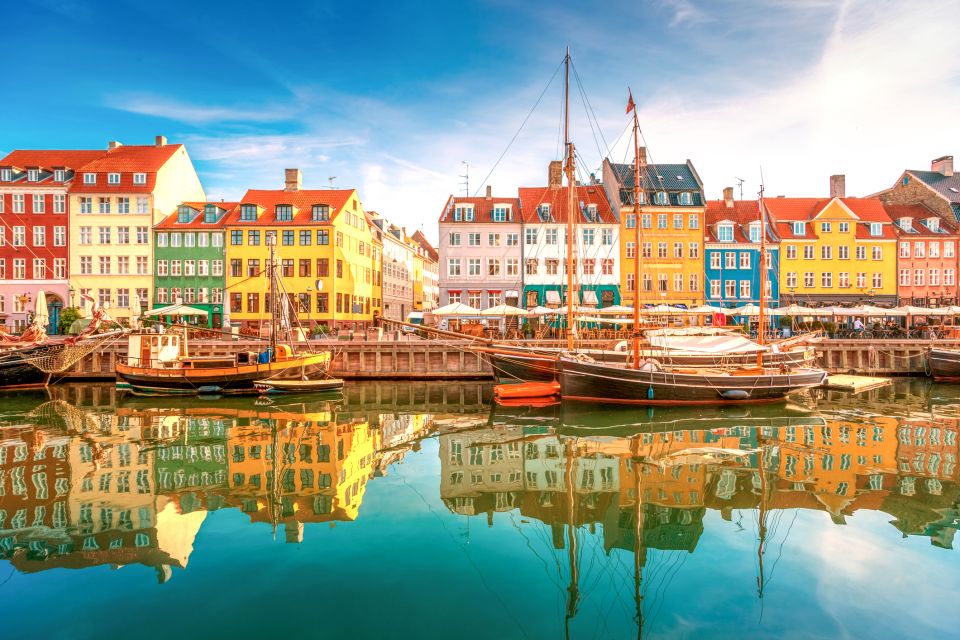
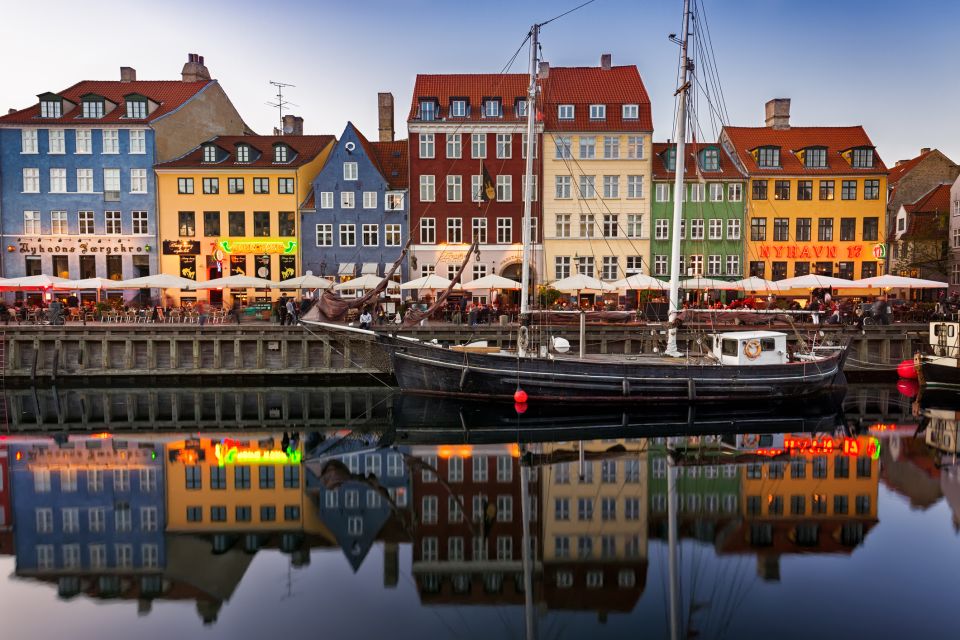
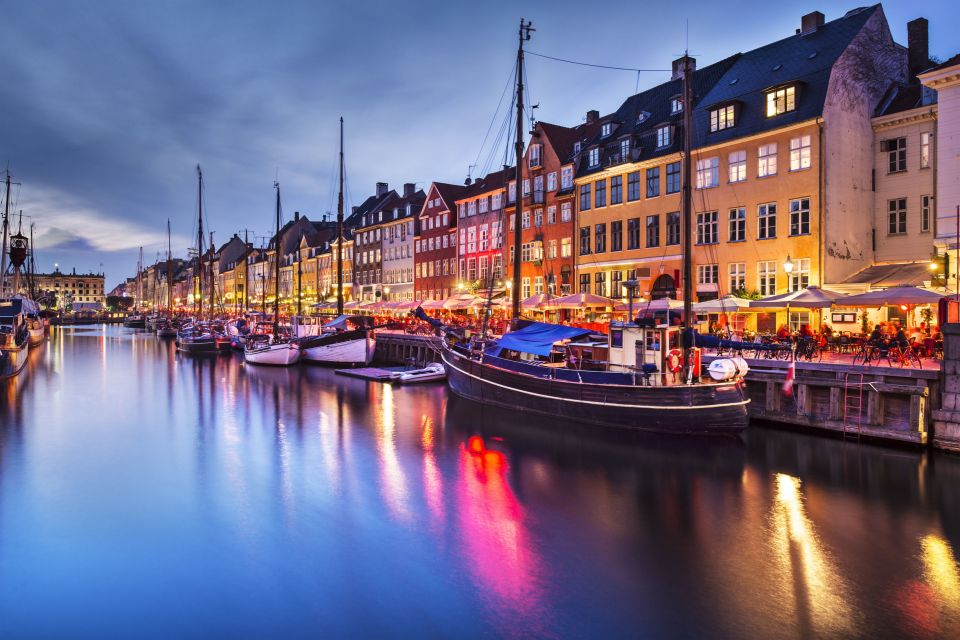
Then the tour shifts into Nyhavn, Copenhagen’s iconic harborfront. You’re set up well for this part because Nyhavn is about a 15-minute walk from Christiansborg, so the change of scenery feels natural. You go from palace and institutions to water, boats, and the color of historic townhouses.
Nyhavn’s story is also the kind that makes a tour feel worth the money. You learn how it started as a bustling trade port and how it transformed into the lively district it is today, lined with cafes and restaurants. Even if you’ve seen Nyhavn before, having the backstory helps you notice details you’d otherwise ignore.
If you’re thinking like a traveler, you can also use this moment smartly. Nyhavn is a place you can return to on your own later. But doing it on a guided walk first helps you understand what you’re looking at, which makes your later self-guided visit more enjoyable.
You can also read our reviews of more private tours in Copenhagen




Amalienborg and Marmorkirken: finishing with the royal square and the big dome
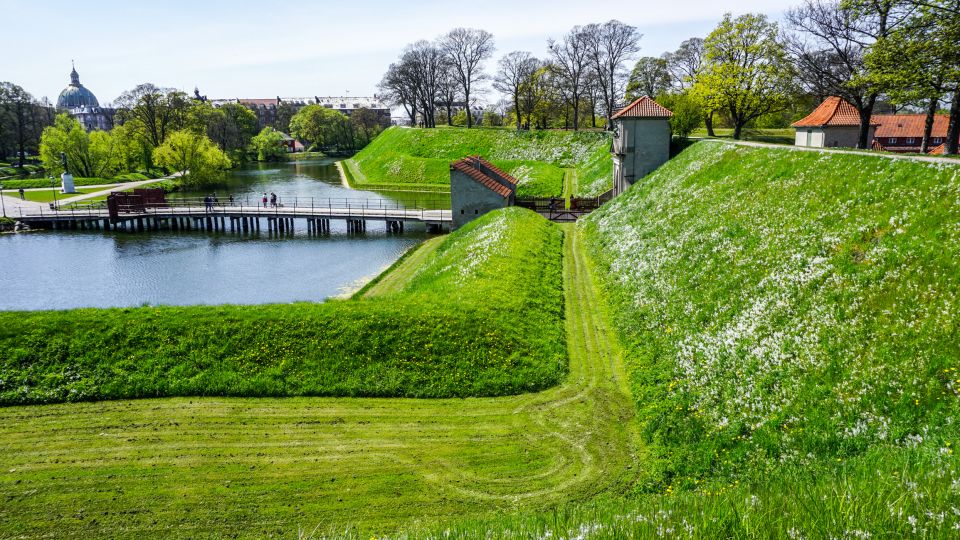
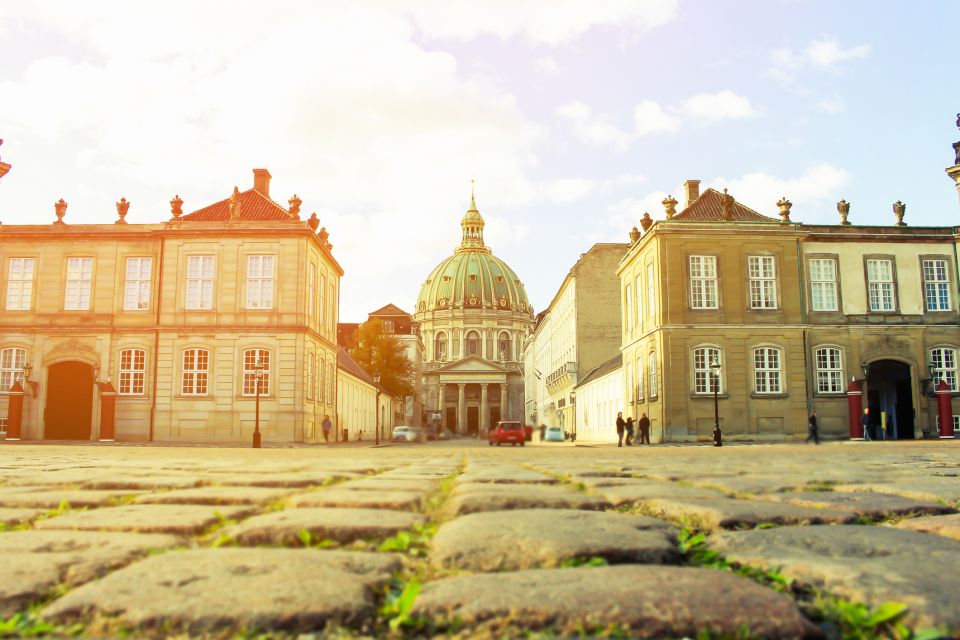
The tour concludes in the royal zone at Amalienborg Palace. This is the kind of finale that feels satisfying because it’s both ceremonial and practical in its layout. You’ll see the stately square and learn about the palace as the royal family’s official residence.
An extra bonus is the view toward Marmorkirken, also known as Frederik’s Church. The guide helps you connect the dots between the monarchy and the city’s architectural language, and you’ll feel why Amalienborg is such a strong ending point. It’s a clear visual “stop” where your walking circuit makes sense.
This segment is also well suited for small questions. People often wonder how Copenhagen blends tradition with modern life, and this is where you get the clearest answer. The royal quarter is not hidden or fenced off in a way that makes you feel distant. You’re walking close to the spaces, learning what they represent.
One more practical note: since the tour ends at Amalienborg, it’s convenient for planning your evening. You’ll already be in a central part of the city, so it’s easier to decide on dinner or a nighttime stroll without backtracking.
Price and value: what $189 per person really buys
At $189 per person for a private 3-hour tour, you’re paying for two main things: time with a guide and a route that’s already stitched together. This isn’t a ticket that gets you into one building and out again. It’s more like buying clarity—someone walks you through the logic of the city’s layout and tells you why each stop matters.
Because food isn’t included, your total day cost depends on what you choose to add. The tour itself gives you the structure, and you have freedom to handle snacks your way. If you want a Danish pastry or coffee, you can time it for when the group has a natural break.
Where the value really shows up is in the small details guides are praised for: balancing facts and anecdotes, and adapting to the group’s interests. Past guides such as Lorena, Andrés, Alia, and Nicolas have been highlighted for storytelling and clear recommendations. That kind of guide presence can be the difference between seeing Copenhagen and understanding it.
Who this tour fits best (and who should skip it)

This tour is ideal if you want a guided route through the big Copenhagen landmarks without the stress of planning every turn. It works for different ages and fitness levels because the pace is described as leisurely with plenty of photo stops.
It’s also a good match if you care about more than architecture. The Andersen element is strong, and it gives you a cultural anchor that shows up in multiple stops. One guide experience that stands out in the overall tour style is the Andersen connection tied to a preserved writing-room story inside a famous department store, which can pop up during the Andersen-themed moments if the route allows.
On the other hand, it’s not suitable for people with mobility impairments, wheelchair users, or those with heart problems. If you fall into any of those categories, you’ll likely feel the walking time more than you’d like.
Should you book this Copenhagen walking tour?
Book it if you want a smart, time-efficient route through the city’s most important zones: City Hall Square, Strøget, Christiansborg Palace, Nyhavn, and the royal finish at Amalienborg. The Andersen storytelling plus the politics-and-architecture focus is a nice mix, and the private format means you’re less constrained by other schedules and group interests.
Skip or look for an alternative if you need step-free access or if walking multiple kilometers is hard for you. Also skip if you’d rather self-drive your own schedule and spend most of your time inside museums, since this experience is built around outdoor walking and viewing.
If you’re the type who likes to get oriented quickly and learn what you’re actually seeing, this is a solid buy for a first or second day in Copenhagen.