REVIEW · COPENHAGEN
Copenhagen: Harbor Architecture Private Walking Tour
Book on GetYourGuide →Operated by Walk and Tour Copenhagen · Bookable on GetYourGuide
Copenhagen’s harbor buildings tell stories fast. In just two hours, this private walking tour links classic waterfront charm with modern design choices you can actually see, stop for, and photograph. I love that the route mixes Nyhavn’s 17th-century port atmosphere with newer landmarks, so you get an instant sense of how Copenhagen plans for now.
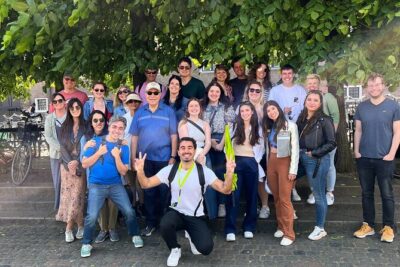
I also like the human side of it: you’re not just looking at buildings, you’re hearing why they matter. On my read of the experience, a guide like Dalit makes the walking pace comfortable and the explanations feel personal, which is exactly what you want when architecture is the main event.
One drawback to think about is simple: this is a rain-or-shine walking tour and it’s not set up for people with mobility impairments or wheelchair users. If your day needs lots of sitting, this may feel like too much on your feet.
In This Review
- Key moments worth planning for
- Why Copenhagen Harbor Architecture Works in Real Life
- Starting near Ofelia Plads: a simple private walk plan
- Ofelia Plads and the lead-in to Nyhavn’s waterfront personality
- Nyhavn architecture: how “port life” shapes design
- Krøyers Plads and Papiroen: preserving industry while building a new neighborhood
- Operaen: why modern culture belongs on the waterfront
- Cirkelbroen and the bridge-as-architecture moment
- Royal Library photo stop: a quick visual anchor
- Danish Architecture Centre: connecting outdoor sights to the bigger picture
- Price and value: when $394 per group makes sense
- Who should book this harbor architecture tour
- Should you book this Copenhagen Harbor Architecture Private Walking Tour?
- FAQ
- Where does the tour start?
- How long is the tour?
- Is this a private tour?
- What languages are offered?
- What’s included?
- Is hotel pickup or drop-off included?
- Do I need to bring anything?
- Is the tour canceled if it rains?
- Is the tour wheelchair accessible?
- How much does it cost?
Key moments worth planning for
- Ofelia Plads start: an easy launch point near Nyhavn’s colorful waterfront.
- Nyhavn canal stories: the district’s rise as a bustling port, plus tales tied to artists and writers.
- Papiroen’s “old mill, new life”: industrial heritage preserved while the area becomes a modern public space.
- Operaen waterfront view: a landmark completed in 2005, explained in context to the harbor.
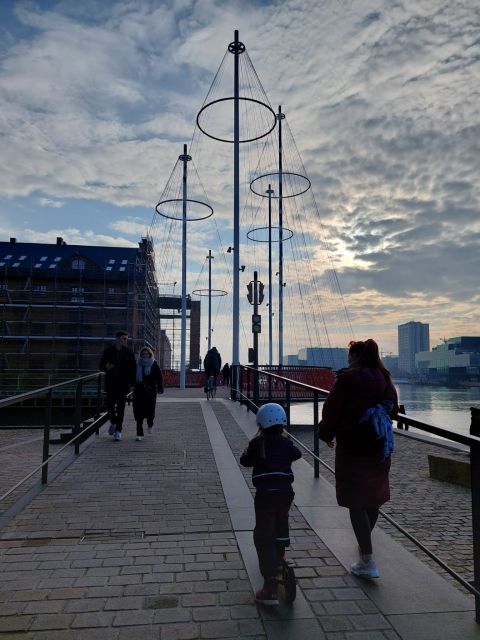
- Cirkelbroen design: a pedestrian bridge inspired by circles of life—walkable, photo-friendly, and fun to spot.
- Danish Architecture Centre stop: a chance to connect what you saw outdoors with the city’s architecture scene indoors.
Why Copenhagen Harbor Architecture Works in Real Life
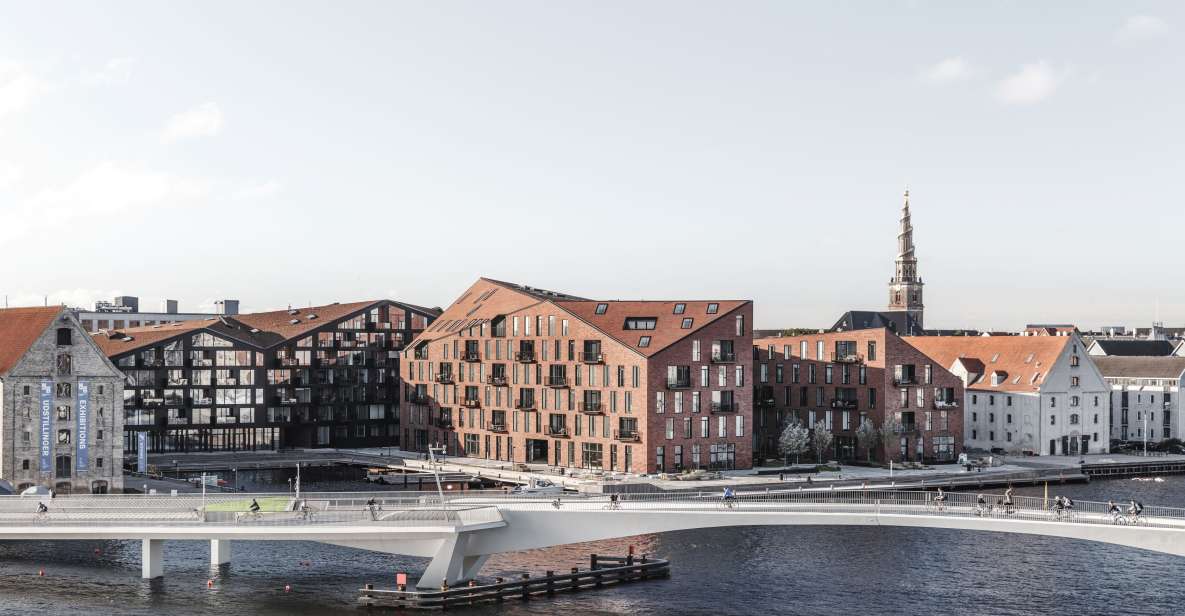
Copenhagen’s harbor can feel like an open-air design lesson. This tour is built around that idea: you move block by block, but you’re really studying how the city shapes public space along water. You’ll get a sense of why Copenhagen earned the title World Capital of Architecture 2023, not through slogans, but through what you can point to and compare.
What makes this experience practical is that the big sights aren’t just “passed.” You get guided context on waterfront districts, modern cultural buildings, and pedestrian infrastructure. If you’ve ever wondered why some cities look planned and others look accidental, Copenhagen’s harbor answers that fast.
You can also read our reviews of more walking tours in Copenhagen



Starting near Ofelia Plads: a simple private walk plan
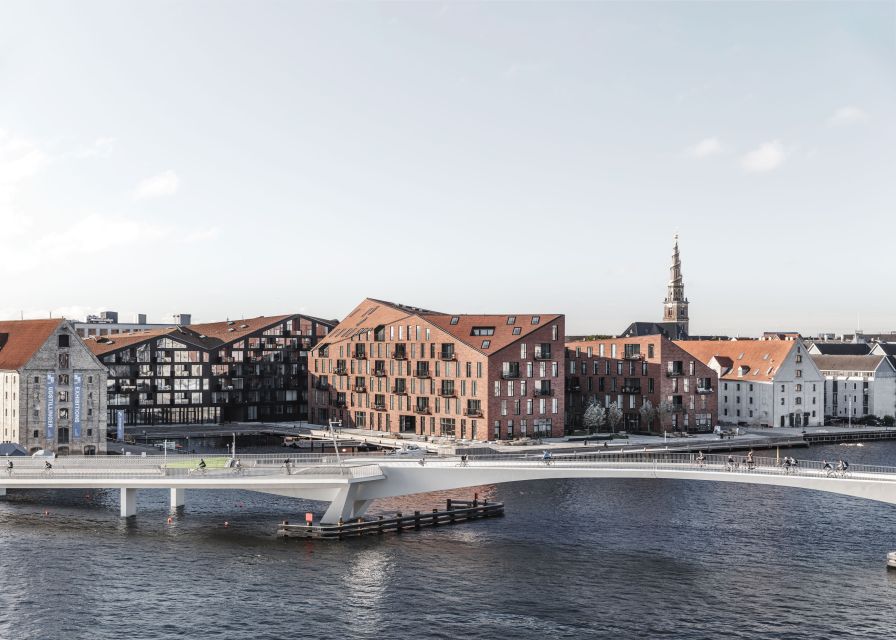
You meet your guide near the Scandic Hotel on Ofelia Plads, right by the harbor, close to the action at Nyhavn. The tour also lists a start address of Sankt Annæ Pl. 21, so if you’re checking details in advance, use Ofelia Plads and the Scandic Hotel as your anchor.
Because it’s private (up to the group size implied by a rate “per group up to 2”), the pace stays human. You’re not stuck with a crowd funneling you from photo spot to photo spot. You can ask questions and get answers in English or Spanish, depending on which guide language you choose.
No hotel pickup or drop-off is included, so plan to reach the harbor area on your own. Also, no food is part of the tour, so if you’re coming straight from breakfast or lunch, you’ll want water on hand and comfy clothes for a steady walk.
Ofelia Plads and the lead-in to Nyhavn’s waterfront personality
Your tour starts at Ofelia Plads, and this first stop matters more than it sounds. It’s a staging area that lets you take in the harbor layout before you zoom into the dense charm of Nyhavn. After a short guided segment, you’ll be ready to notice architectural cues rather than just scenery.
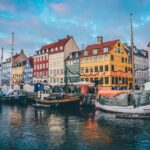
From here, you head into Nyhavn, one of Copenhagen’s most recognized waterfront districts. This is a 17th-century area lined with colorful buildings and lively spots where the canals and harbor life blend together. You’ll learn how the district developed as a working port, then connect that origin to what you see now.
The tour’s value here is context. Nyhavn isn’t only about photo-friendly houses. You’ll hear stories about the artists and writers who once called the area home, which adds texture to the visuals. Instead of looking at buildings like they’re props, you start reading them like they’re evidence of Copenhagen’s changing economic and cultural tides.
Possible snag to plan for: Nyhavn is popular. Even on a private tour, you may share sidewalks and viewpoints with other visitors when you stop for photos or explanations, so keep your camera ready and expect a bit of pedestrian flow.
Nyhavn architecture: how “port life” shapes design
In Nyhavn, the architecture tells you what the city valued at different moments. Waterfront neighborhoods like this usually develop around movement—boats, trade, and people—so buildings tend to face the water and make the harbor the front door. On this tour, you’ll get guided explanations that help you see those priorities in the facades and street-to-canal rhythm.
One smart way to use your time here is to compare old and new as you walk. Nyhavn shows you older patterns of scale and building form, while later stops on the harbor stretch show how Copenhagen shifted toward cultural landmarks and modern public design.
If you like architecture tours that are more than “look up and guess,” you’ll appreciate how the guide frames what you’re seeing. You’ll be able to talk about why the harbor feels cohesive even when the building styles change.
Krøyers Plads and Papiroen: preserving industry while building a new neighborhood
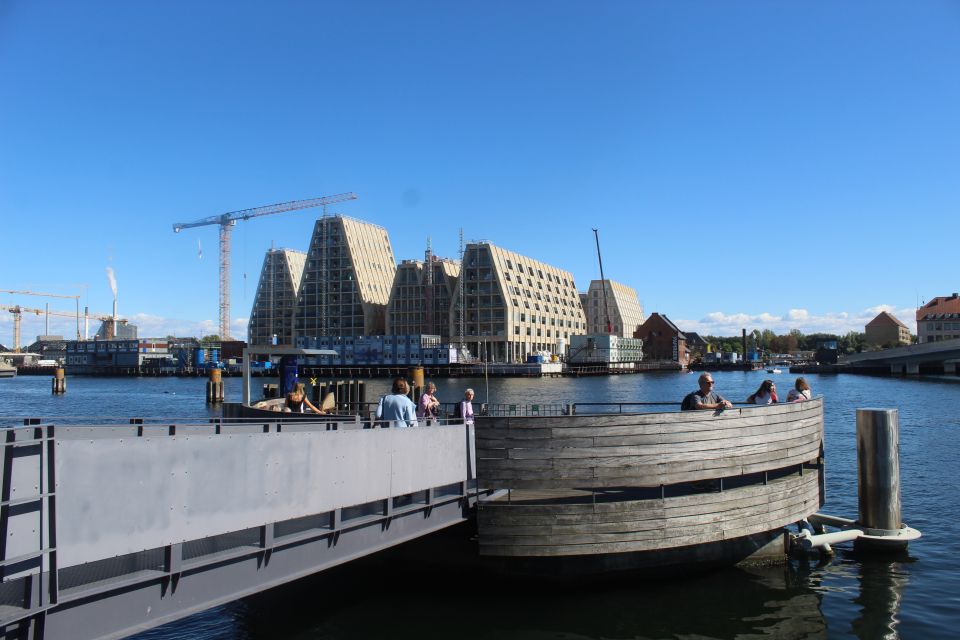
After Nyhavn, the tour moves toward the area associated with Papiroen—a neighborhood that used to be a paper mill and has been transformed into a lively harbor-side space. That “old mill to new public life” idea is the heart of this stop.
What I like about this part is the balance. You’re not just shown modern-looking buildings; you’re guided through the story of how preservation and redevelopment can coexist. You’ll admire the architecture around the market buildings and get harbor views that make the transformation feel tangible, not theoretical.
This is where the tour starts to feel like more than sightseeing. Copenhagen’s approach to design shows up in how it repurposes structures instead of wiping everything away and starting fresh. If you care about sustainability and planning (even just casually), you’ll likely enjoy how the guide ties the industrial past to the present-day function of the neighborhood.
Photo tip for this section: the harbor views and the contrast between industrial textures and newer design are ideal for quick shots. Take a few minutes to look from different angles, especially where you can include water reflections or bridge lines in the background.
You can also read our reviews of more private tours in Copenhagen




Operaen: why modern culture belongs on the waterfront
You’ll also enjoy a view of Operaen, the modern performance venue on the waterfront. It was completed in 2005, and it’s become a landmark of Copenhagen’s cultural scene.
This stop works because it answers a common question: how does a city decide what belongs on water? Operaen helps demonstrate Copenhagen’s shift toward signature modern architecture—architecture that’s not hidden behind older streets, but placed where people can see it, walk by it, and use it as a point of orientation.
The guide shares the story of the building’s design, including how it takes inspiration from the surrounding harbor and Denmark’s cultural heritage. Even if you’re not an opera fan, you’ll likely appreciate the way the building reads as both a cultural symbol and a harbor neighbor.
If you’re the type who likes to understand design choices, spend a moment focusing on how the building’s shape relates to the shoreline rather than only admiring it head-on.
Cirkelbroen and the bridge-as-architecture moment
Next comes Cirkelbroen (often called the Circle Bridge). This pedestrian bridge is designed with an innovative concept inspired by the circles of life. It’s both functional—helping you cross between harbor sides—and beautiful, because the design idea is visible in how the structure reads as you approach it.
This is one of those stops where architecture is easiest to understand because you’re moving through it. You’re not stuck behind a barrier, and you can take photos from the bridge and around the bridge. It’s a rare moment in an architecture walk where the infrastructure is also the attraction.
Also, bridges are good “mental reset” points. After more text-heavy explanations earlier in the walk, the bridge offers a change of pace: look, pause, photograph, and let the design idea sink in without effort.
Royal Library photo stop: a quick visual anchor
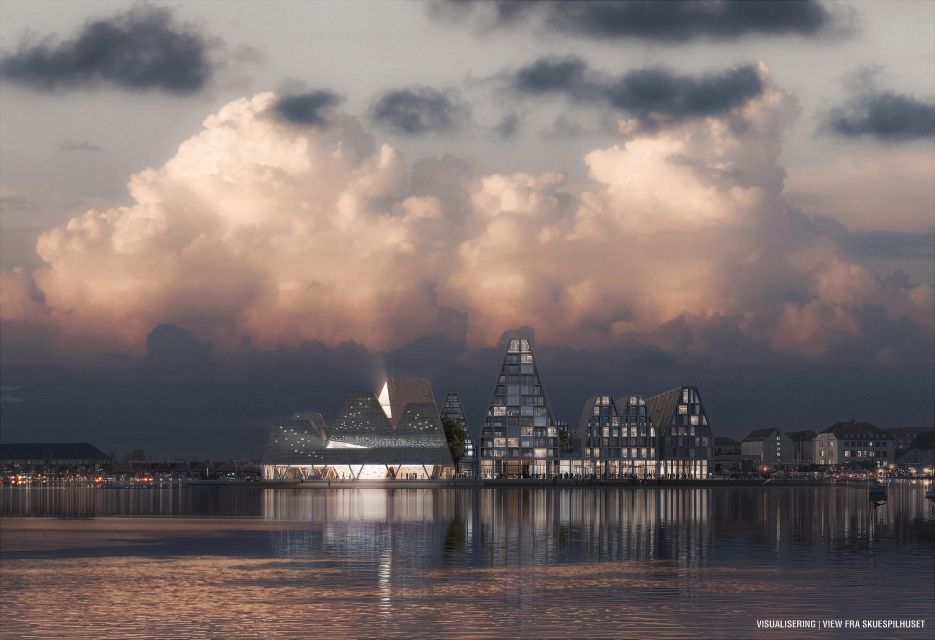
You’ll have a photo stop at the Royal Library of Denmark. Because it’s designated as a photo moment, the goal is simple: grab a few frames while the guide gives just enough context to help you connect it to the broader harbor story.
This stop is handy if you want proof of the day’s architecture focus without having to turn it into a separate detour. The photo stop format also keeps the walking rhythm intact, which matters in a 2-hour experience.
If you’re traveling with friends who like landmarks more than explanations, this is also a nice moment for both types of travelers: architecture lovers get the framing, and everyone else gets a standout view.
Danish Architecture Centre: connecting outdoor sights to the bigger picture

Your guided walking tour includes time at the Danish Architecture Centre. This is a valuable final stop because it helps you extend the story beyond what’s visible on the streets.
Even if you don’t plan to spend hours inside after the tour ends, this stop gives you a better handle on what to look for next. You’ll likely leave feeling more confident about recognizing design themes in other neighborhoods too—how public space is planned, how heritage is handled, and how modern Copenhagen fits into the older city fabric.
If you want to keep learning, this is a good place to orient yourself before you head out. Think of it as your architecture compass after the harbor has shown you the “what.”
Price and value: when $394 per group makes sense
This tour costs $394 per group up to 2 for about 2 hours. That sounds like a lot at first glance, but private walking tours are priced for time, not per-seat volume. You’re essentially paying for a guide who can tailor the pace, focus, and questions to your interests.
The value math gets better if:
- You’re a couple or two friends who want a shared guide experience rather than walking in a larger group.
- You care enough about architecture to want the explanation as you see each building, not later through an app.
- You’ll use the tour to get you “oriented” for the rest of your Copenhagen day. A good architecture walk can save you from wandering aimlessly.
If you’re traveling solo, it’s still a good experience if you want the private format, but the per-person cost can feel steep. In that case, decide based on how much you’ll actually ask questions and how important guided context is to you.
Who should book this harbor architecture tour
This is a strong fit if you:
- Like Copenhagen’s design identity and want to understand it in a practical way.
- Want a focused, 2-hour harbor architecture walk without complicated logistics.
- Prefer private guidance and the chance to ask questions in English or Spanish.
It’s less ideal if you:
- Need wheelchair access or significant mobility support, since the tour isn’t suitable for people with mobility impairments.
- Want lots of long breaks or a mostly seated experience.
Should you book this Copenhagen Harbor Architecture Private Walking Tour?
I’d book it if you want a clean, structured way to experience Copenhagen’s harbor architecture without turning your day into planning chaos. The mix of Nyhavn, the transformation story behind Papiroen, the modern landmark view of Operaen, the design-forward charm of Cirkelbroen, and the final architecture anchor at the Danish Architecture Centre gives you a well-rounded “old-to-new” narrative.
Wait a bit if you know you’ll be frustrated by rain or walking time, or if mobility needs make a continuous stroll unrealistic. But for most people who enjoy cities, design, and waterfront planning, this private walk is one of the better ways to spend two hours in Copenhagen.
FAQ
Where does the tour start?
The meeting point is in front of the Scandic Hotel, right on Ofelia Plads.
How long is the tour?
It lasts 2 hours.
Is this a private tour?
Yes. It’s a private group tour.
What languages are offered?
The live guide speaks English and Spanish.
What’s included?
A guide and a walking tour are included.
Is hotel pickup or drop-off included?
No. Hotel pickup and drop-off are not included.
Do I need to bring anything?
Bring water and comfortable clothes.
Is the tour canceled if it rains?
No. The tour runs rain or shine.
Is the tour wheelchair accessible?
No. It is not suitable for people with mobility impairments or wheelchair users.
How much does it cost?
It’s $394 per group up to 2.
If you tell me your travel dates and whether you’ll be in Copenhagen on a rainy day, I can help you decide whether this timing fits your itinerary best.