REVIEW · COPENHAGEN
Copenhagen: Capture the most Photogenic Spots with a Local
Book on GetYourGuide →Operated by LocalBini AG (EU) · Bookable on GetYourGuide
Copenhagen looks best when you know where to stand. That is exactly what this photo-focused small-group walk is built for, with a local guiding you through the spots people come for and the quieter corners they miss. You start at the Stork Fountain, then walk toward major landmarks while learning the stories locals actually attach to them.
I like two things a lot: first, the format is max 8 travellers, so you get real conversation instead of a lecture from the front. Second, you are not just told what you are looking at—you get guidance for how to frame it, plus personalized recommendations for bars, cafés, and restaurants after your walk.
One drawback to keep in mind: since the guide is an independent local and the route can shift with weather and your pace, things can feel a bit less structured than you expect. And if you have trouble spotting the guide at the start, I’d plan a smooth first 5 minutes so you do not lose time.
In This Review
- Copenhagen’s Photo Walk: Small Group, Big Visual Payoff
- Starting at Stork Fountain: How to Get Oriented Fast
- Following the Havnepromenade: Waterfront Calm Meets Photo Angles
- Rosenborg Castle Spires and Garden Frames
- The Stories Behind the Postcard Scenes
- Local Tips for Bars, Cafés, and Restaurants
- Price and Value: What $128 Buys You
- The Group Experience: Great for Conversation, Not for Everyone
- Photography Tips That Matter (and What to Bring)
- When This Tour Works Best (and When to Skip It)
- A Quick Reality Check on Timing and Weather
- Should You Book Copenhagen’s Photo Walk?
- FAQ
- Where does the tour start?
- How long is the experience?
- What is the group size?
- What languages are the guides available in?
- What is included in the price?
- What is not included?
- What should I bring?
- Is the tour suitable for mobility impairments?
Copenhagen’s Photo Walk: Small Group, Big Visual Payoff
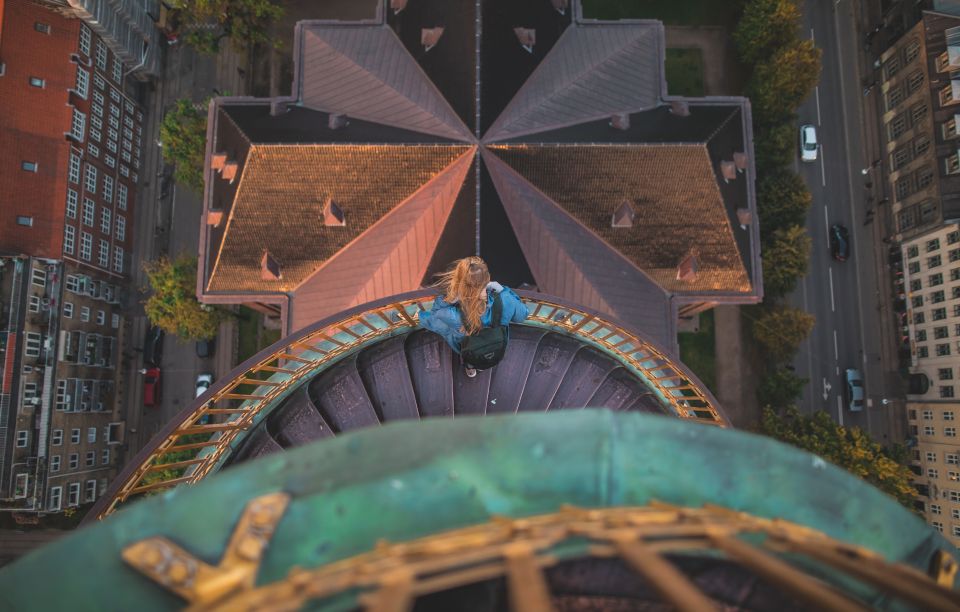
This is a short, practical tour aimed at the kind of photos you actually want: clean compositions, recognizable Copenhagen scenes, and those little details that make a picture feel like it belongs to Denmark.
The small group size matters more than it sounds. With up to 8 people, you can ask quick questions without waiting your turn. If your walking pace is slower, the itinerary can adapt. If your smartphone camera needs help, you can get advice on the spot rather than being rushed through a checklist.
You also get a local lens on famous landmarks. That is the difference between snapping a postcard image and understanding why that view became a classic. The tour leans into “where locals go” and “what the place means,” not just “what year it was built.”
Starting at Stork Fountain: How to Get Oriented Fast
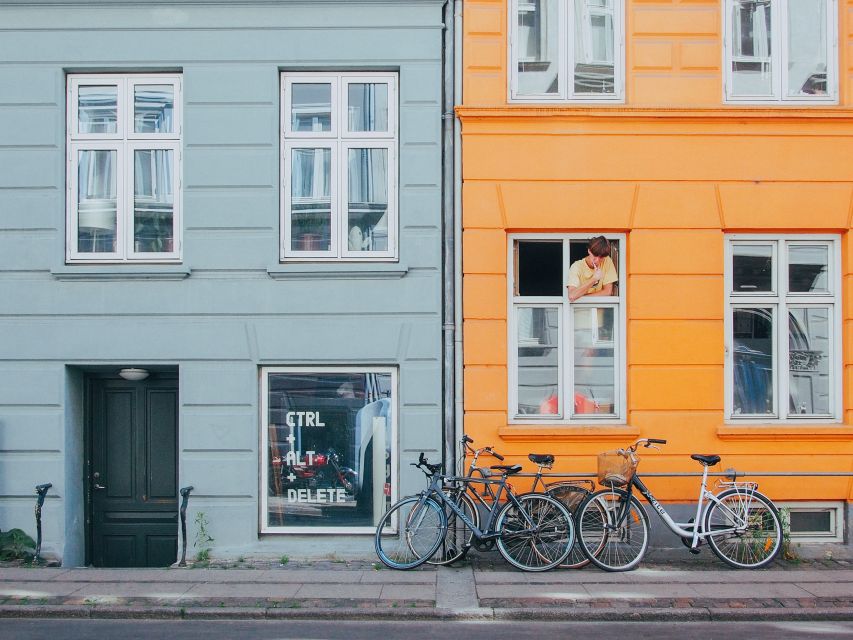
The meeting point is the Stork Fountain. That is helpful because it gives you a clear anchor in a city full of water, streets, and photo angles.
For a tour like this, your first job is simple: arrive early enough to actually locate the guide and settle in. One of the risks with any meet-up is that the guide might not be obvious right away. I suggest you do two things: keep your booking details open on your phone and be ready to act fast if you need clarification. It’s not glamorous, but it saves you the awkward delay.
Once you are in, the guide sets the rhythm for the next 90 minutes. The tour is designed to be walkable, so you will be moving between stops while the local explains what makes each location photogenic and how it fits into daily Copenhagen life.
You can also read our reviews of more tours and experiences in Copenhagen.

Following the Havnepromenade: Waterfront Calm Meets Photo Angles
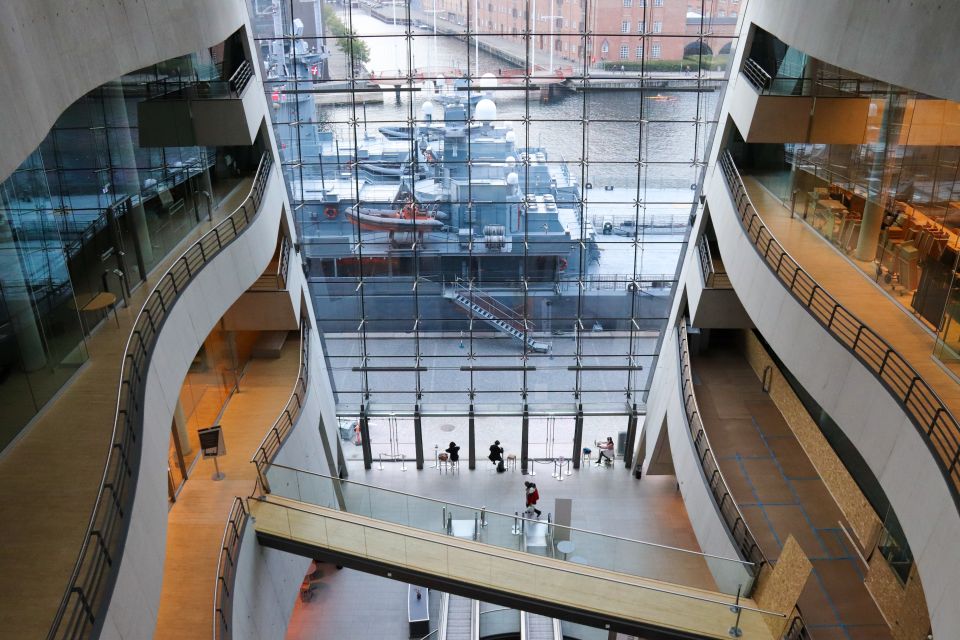
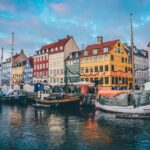
Your route heads from the Havnepromenade area toward some of the city’s most iconic waterfront scenery. If you care about photos, the waterfront is a smart starting direction. It has wide lines, lots of visual depth, and natural opportunities for reflections—especially when the light cooperates.
Here is what you can expect at this stage:
- The local will point out the serene waterfront views plus the lively atmosphere around it.
- You will learn how these spaces function as everyday public areas, not just scenic “views from a walk.”
The practical takeaway: do not treat the waterfront like one single viewpoint. You will get better results if you reposition. A good local will show you how small changes—one step left, a slight turn, a different height for your phone—change the photo from flat to dimensional.
One more reality check: weather can affect stops. If it is rainy, windy, or simply bad for comfort, your guide may adjust where you stop. Bring weather-appropriate clothing and be ready for Plan B. You’ll still get the structure of the experience; you might just change the exact corner you photograph.
Rosenborg Castle Spires and Garden Frames
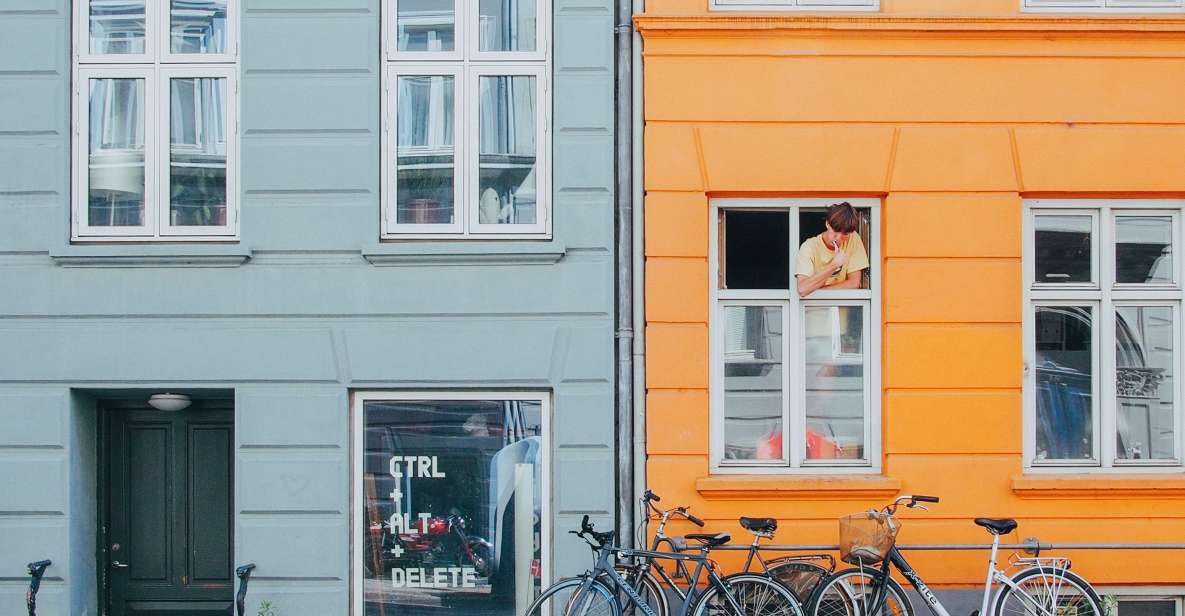
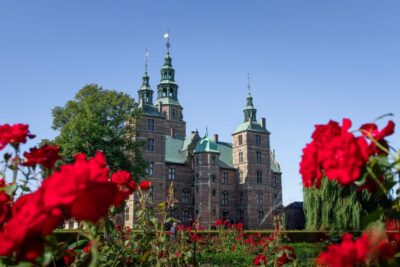
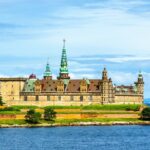
Next up is Rosenborg Castle, known for its majestic spires and its lush gardens. This is one of those places where the building pulls the eye upward, while the garden gives you ground-level textures.
What makes this stop especially useful for a camera roll:
- The castle provides dramatic vertical elements.
- The gardens offer layers—paths, greenery, and near-and-far depth for wider compositions.
- The local will connect what you see to how people use and experience it day to day.
Even if you only take a handful of photos here, this is the stop that often delivers the most “recognizable Copenhagen” results. And because you are walking with someone who understands angles, you’re less likely to miss the best spots in favor of the closest one.
The Stories Behind the Postcard Scenes
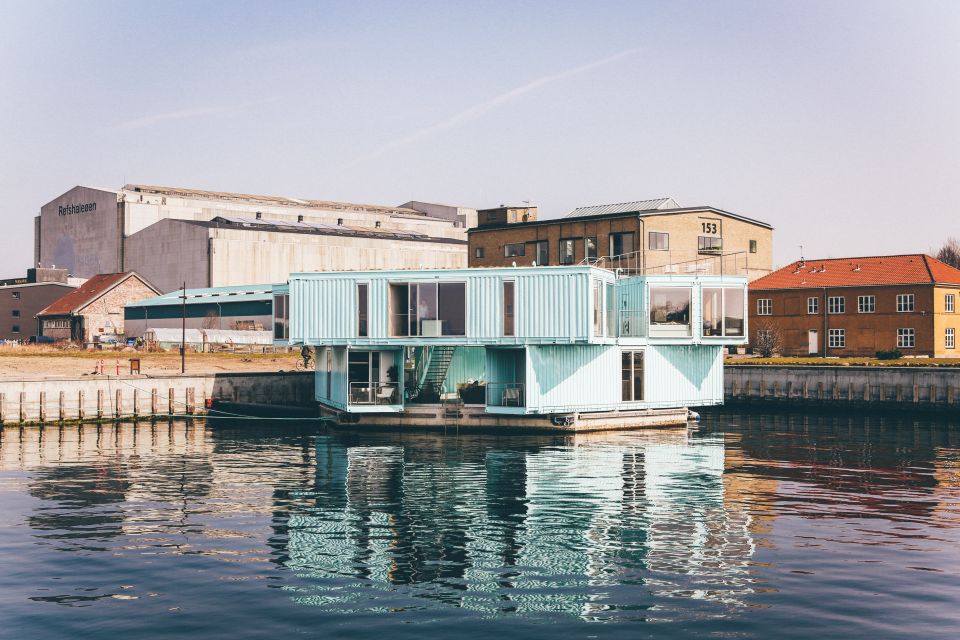
The big value here is not the landmarks themselves—it’s the human context. Your local shares stories tied to each place, so the photos feel earned instead of random.
The tour explicitly focuses on how these famous scenes play roles in daily life. That can turn a typical sightseeing photo into something more personal in your mind, like:
- A place that locals meet.
- A view locals come back to because it always feels right.
- A landmark that shows up in memory, not just on a map.
This matters for you if you care about photography but also want to understand what makes Copenhagen tick. A photo is more fun when you know the “why” behind it. It is also more fun when you can tell someone back home where the view came from and why it matters.
Local Tips for Bars, Cafés, and Restaurants
A surprising part of this experience is the quality of the after-walk advice. You get top local tips for bars, cafés, and restaurants, and these are personalized recommendations based on what you like.
That personalization is the difference between a generic list and something you will actually use. If you are into casual cafés, you will not waste time chasing a place that is known for nightlife. If you want a calmer dinner plan, you can steer toward that direction.
Practical advice I recommend using:
- Ask one focused question during the walk: what would you do tonight if you had 2 hours and wanted good food without stress?
- Then keep your expectations realistic: you are getting local guidance, not a reservation guaranteed by the tour team.
Also remember: personal expenses are not included. So think of this as value in the guidance, not in a paid food stop.

Price and Value: What $128 Buys You
At $128 per person for 90 minutes, you’re paying for two things: a local guide and a tighter group experience. This is not the cheapest way to see Copenhagen, but it can be good value if you’re the type who wants smarter photos and better planning, not just movement from A to B.
Here’s how to judge the value for yourself:
- If you plan to spend time after the tour chasing good photo angles and figuring out where to eat, this is likely efficient.
- If you only want basic sightseeing and you’re happy researching photo spots on your own, you might decide it’s unnecessary.
Included in the price are the knowledgeable local, a small group, and personalised recommendations. Entry tickets for transportation, museums, and monuments are excluded, so do not expect the tour price to cover everything you might want to enter. Still, for a short photo walk, most of the value is the guidance and the route-focused time.
The Group Experience: Great for Conversation, Not for Everyone
The tour is intimate: a small group of up to 8 travellers. That size is ideal for people who like questions, quick photo feedback, and light flexibility.
But it comes with a trade-off. Since the itinerary adapts to travellers’ interests and walking pace, you might not follow an exact “every person gets the same shots” script. That flexibility is good for many people. It is not for everyone.
Also, this tour is not suitable for people with mobility impairments. It is designed around walking and stopping, and the timing depends on pace and weather.
Photography Tips That Matter (and What to Bring)
This is a walking tour where your smartphone is your main tool. So prep it like you mean it.
Bring:
- Comfortable shoes (you’ll be moving between photogenic stops)
- Water
- Weather-appropriate clothing
- A charged smartphone
Before you leave the hotel, do a quick camera sanity check. Make sure your battery is topped up, your lens is clean, and you have enough storage for a sequence of shots. A 90-minute photo walk rewards people who can quickly test angles without fighting technical issues.
Also, keep your expectations practical. The tour is about capturing photogenic spots, not about turning you into a professional photographer in a single session. The win is that you will leave with better framing choices and a better sense of where to stand next time you return.
When This Tour Works Best (and When to Skip It)
This tour is a great fit if:
- You want iconic Copenhagen views plus local context.
- You care about photos and want hands-on help with what to aim for.
- You like small group tours where you can talk to the guide.
- You want useful food and drink recommendations without guessing.
It might not be your best match if:
- You dislike walking.
- You want a fully structured, step-by-step agenda with no flexibility.
- You are expecting a highly scripted photo program with very precise lighting coaching. One piece of feedback I saw flagged that the guide might not feel prepared for the photo-light timing. Even if that is not the case for your day, it’s worth knowing what this is and what it isn’t.
For peace of mind, go in with a mindset of collaboration: you will get better results if you ask questions and share what kind of photos you want.
A Quick Reality Check on Timing and Weather
Stops can vary depending on weather conditions, and the route adapts to your interests and walking pace. That is usually a good thing, because it keeps the experience comfortable and on-target.
Still, plan your day with a bit of buffer. A 90-minute tour moves at a human pace, not a breakneck sprint. If you have a museum ticket right after, give yourself some slack so you are not stressed when the route changes.
Should You Book Copenhagen’s Photo Walk?
If you want a smart way to see Copenhagen’s most photogenic spots in a short time, I think you should seriously consider booking. The value is strongest when you care about photos and want local advice that helps you make choices on the ground—especially with a maximum of 8 travellers and the focus on local stories plus personalized recommendations.
I would pass if you need step-by-step structure above all else or if walking is a problem. And if meeting at the Stork Fountain is likely to be a challenge for you visually, arrive early and get oriented quickly so the start does not slow you down.
Overall: this is a practical, photo-minded Copenhagen introduction with local context. If that matches your travel style, it’s one of the better ways to turn 90 minutes into a camera roll you actually like—and a food plan you’ll use.
FAQ
Where does the tour start?
The tour meets at the Stork Fountain.
How long is the experience?
It runs for 90 minutes.
What is the group size?
It is a small group with a maximum of 8 travellers.
What languages are the guides available in?
The live guide speaks Danish and English.
What is included in the price?
You get a knowledgeable local, a small group experience, and personalised recommendations.
What is not included?
Personal expenses are not included, and entry tickets for transportation, museums, and monuments are excluded.
What should I bring?
Bring comfortable shoes, water, weather-appropriate clothing, and a charged smartphone.
Is the tour suitable for mobility impairments?
No, it is not suitable for people with mobility impairments.