REVIEW · COPENHAGEN
Copenhagen: Guided Walking Tour
Book on GetYourGuide →Operated by Dinturia · Bookable on GetYourGuide
Copenhagen makes sense on foot. This guided walking tour uses Danish customs and Denmark’s history to turn famous landmarks into real stories, starting right at Copenhagen Central Station and leading you through the city’s old core. I love that the guide keeps the focus on the why behind what you see, not just the what.
My second favorite part is the sheer amount of iconic scenery you cover in a three-hour walk—from medieval squares and towers to harbor color at Nyhavn. One consideration: it’s rain or shine and it’s not ideal if you need lots of mobility support, and large bags or luggage aren’t allowed.
In This Review
- Key highlights worth your attention
- Starting where it’s easiest: Central Station to the Tivoli-side exit
- Tivoli, City Hall, and the first city-center beats
- Gammel Torv to the Cathedral: reading medieval Copenhagen
- Strøget and Christiansborg Castle: the city’s everyday rhythm and power
- The Old Stock Exchange and Round Tower: Copenhagen’s learning past
- Rosenborg Castle and the royal side of Denmark
- Nyhavn and Amalienborg: the harbor atmosphere you’ll remember
- How the guide turns customs into real-world meaning
- Private group pacing: why 3 hours can feel longer
- What to bring so weather and cobblestones don’t ruin the day
- Price and value: $343 per group up to 5
- Who this walking tour suits best
- Should you book this Copenhagen guided walking tour?
- FAQ
- Where does the tour start?
- How long is the walking tour?
- What does the price include?
- What isn’t included?
- What language is the live guide?
- Is this tour private?
- Is wheelchair access available?
- Does the tour run in bad weather?
- What should I bring?
- Can I bring luggage or large bags?
Key highlights worth your attention
- Story-led Danish history tied directly to the streets and buildings you pass
- Medieval Copenhagen in one loop, with key landmarks like Gammel Torv and the Cathedral
- A guide who adapts, including extra time for special moments when timing works out
- Big-name stops without museum overload, so you still get the city-feel
- Good pacing for families, with guides who work to keep kids and teens engaged
Starting where it’s easiest: Central Station to the Tivoli-side exit
Your tour starts at Copenhagen Central Station, at the exit that’s in the direction of Tivoli Gardens. This matters because it gets you walking immediately, instead of spending your limited time figuring out where to begin.
You’ll meet the guide for a quick meet-and-greet and then head into central Copenhagen. The whole flow is designed for orientation: you’ll see the places you’ll want to return to later, and you’ll learn how they fit together.
The practical tip here is simple: plan on comfortable walking right away. If you arrive with a big tote or anything bulky, note that luggage or large bags aren’t allowed, so travel light for a smoother start.
You can also read our reviews of more walking tours in Copenhagen


Tivoli, City Hall, and the first city-center beats

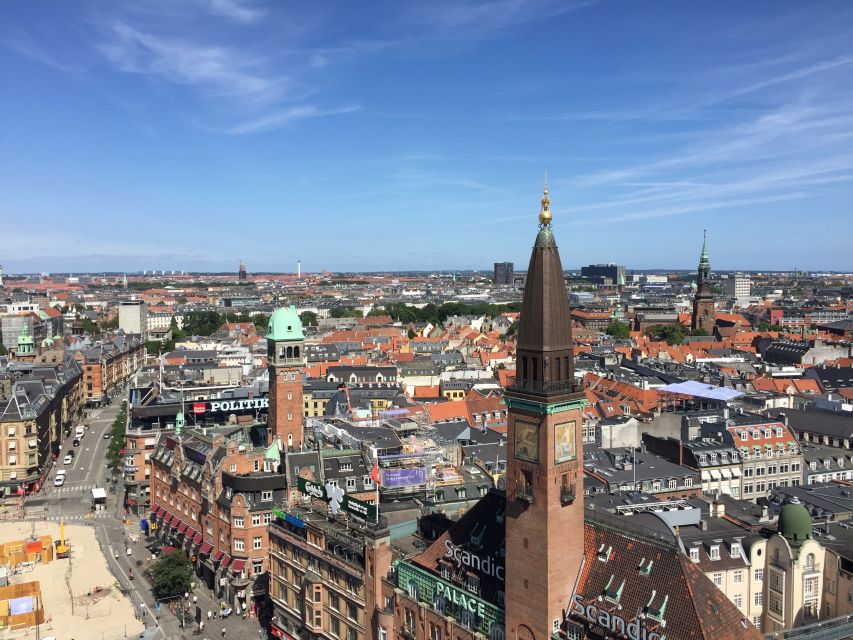
One of the best ways to understand Copenhagen is to start at its center of gravity, and this tour does exactly that. You may catch the outside of Tivoli as you begin, followed by major civic landmarks like the City Hall area.
After that, the route often passes through squares such as Ny Torv and Gammel Torv. These spaces aren’t just pretty backdrops. They help you grasp how Copenhagen’s street life has historically gathered—markets, public life, and everyday movement all orbit these kinds of squares.
What I like about this opening stretch is the contrast. You start with an easy visual landmark, then you shift into older city fabric. Even if you don’t know Danish history yet, the guide builds it step-by-step so the city starts making sense fast.
Gammel Torv to the Cathedral: reading medieval Copenhagen
When the tour turns toward Medieval Copenhagen, you’re no longer just sightseeing. You’re walking through the kind of city layout that shaped how people lived, worshipped, traded, and governed.
Stops can include Copenhagen’s Cathedral, plus the older squares like Gammel Torv. The guide’s job is to connect the stones and street positions to Denmark’s bigger story, including how customs and traditions show up in the way locals live now.
A small benefit for you: this segment helps you understand what to look for on your own afterward. After hearing the context, you’ll spot patterns—where streets funnel, where authority shows up, and why certain buildings matter.
If the weather is nasty, this is still the section where you’ll feel the most reward. Even in cold wind or rain, central old-city blocks give you that “I get it now” feeling.
Strøget and Christiansborg Castle: the city’s everyday rhythm and power
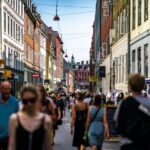
As you move toward Strøget, Copenhagen’s famous pedestrian shopping street, the tour becomes a lesson in how daily life and history coexist. Strøget isn’t only about walking; it’s about how the city centers commerce and movement in one shared public corridor.
From there, you may head toward Christiansborg Castle. This stop adds a different type of context—where governance and public ceremony meet the streets you’re standing on.
The best guided walking tours don’t treat each landmark like a separate postcard. They show how one place influences another. Here, you’re likely to get explanations about how civic life evolved around these major sites, so the city feels connected instead of random.
The Old Stock Exchange and Round Tower: Copenhagen’s learning past
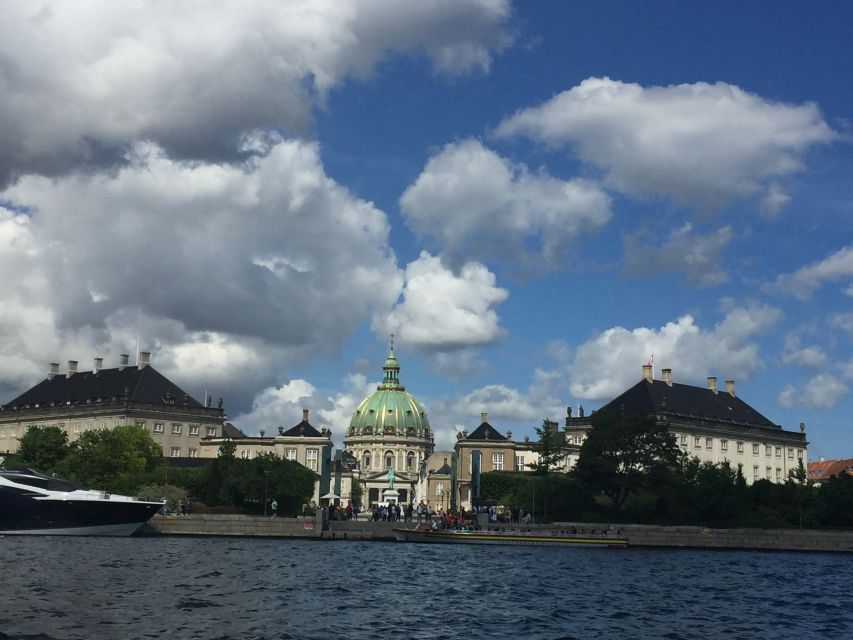
Two stops that often make this tour memorable are the Old Stock Exchange and the Round Tower. These aren’t just impressive exteriors. They point to Copenhagen’s role as a place where ideas, learning, and organized society mattered.
When you stand in these areas with a guide, you start noticing how the city’s “functional” buildings carry identity. A financial institution area can tell you about the city’s economic shifts, and a tower can hint at older ways of navigation, observation, or status.
This is also where I think the guide matters most. Many excellent guides tell quick facts. Strong guides tell you how those facts shaped the city. In this tour, you should expect that tone: short stories, useful context, and frequent chances to ask questions.
You can also read our reviews of more guided tours in Copenhagen





Rosenborg Castle and the royal side of Denmark
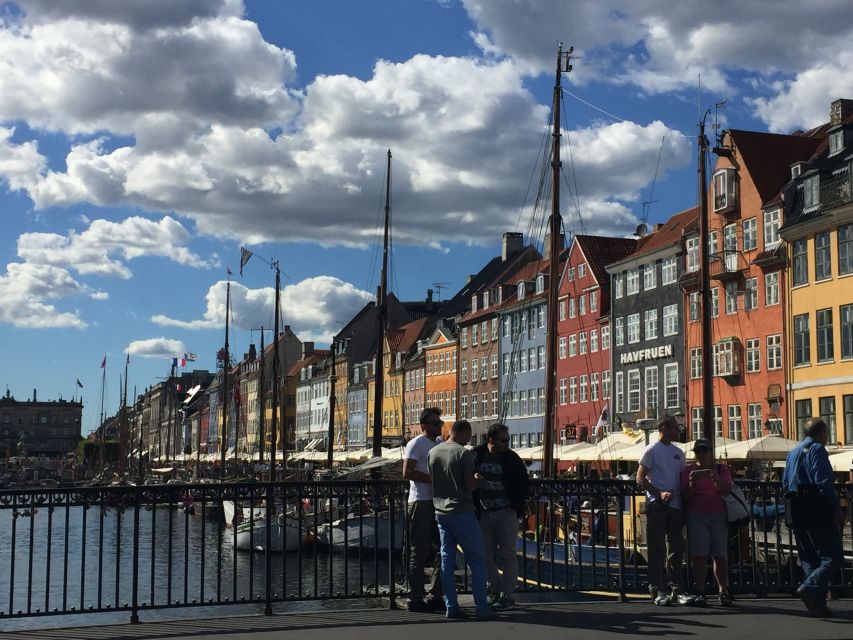
Rosenborg Castle often appears on the route, adding royal Denmark into the mix. Even if you don’t go inside, the exterior setting helps you understand how close the “big institutions” sit to everyday streets.
You’ll also hear how Copenhagen developed around power centers. That’s the thread this tour keeps tying together—history isn’t a separate topic. It’s what shaped the map you’re walking across.
One useful note: if your guide can work it into the timing, you might also catch something ceremonial near the palaces. In at least one case, a guide timed the end of the walk for the changing of the guard at the palace area, which can be a fun, photo-ready payoff.
Nyhavn and Amalienborg: the harbor atmosphere you’ll remember
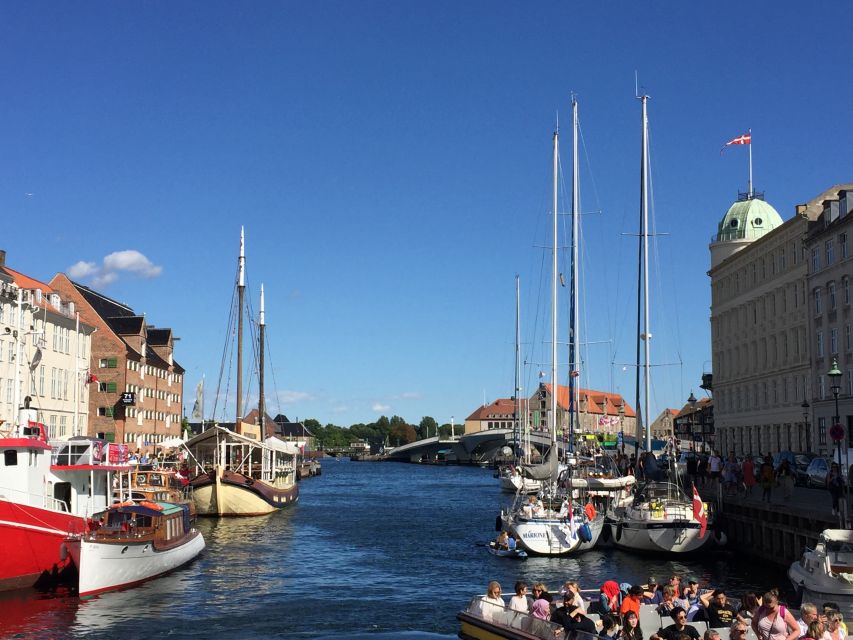
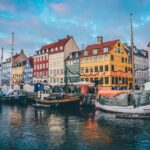
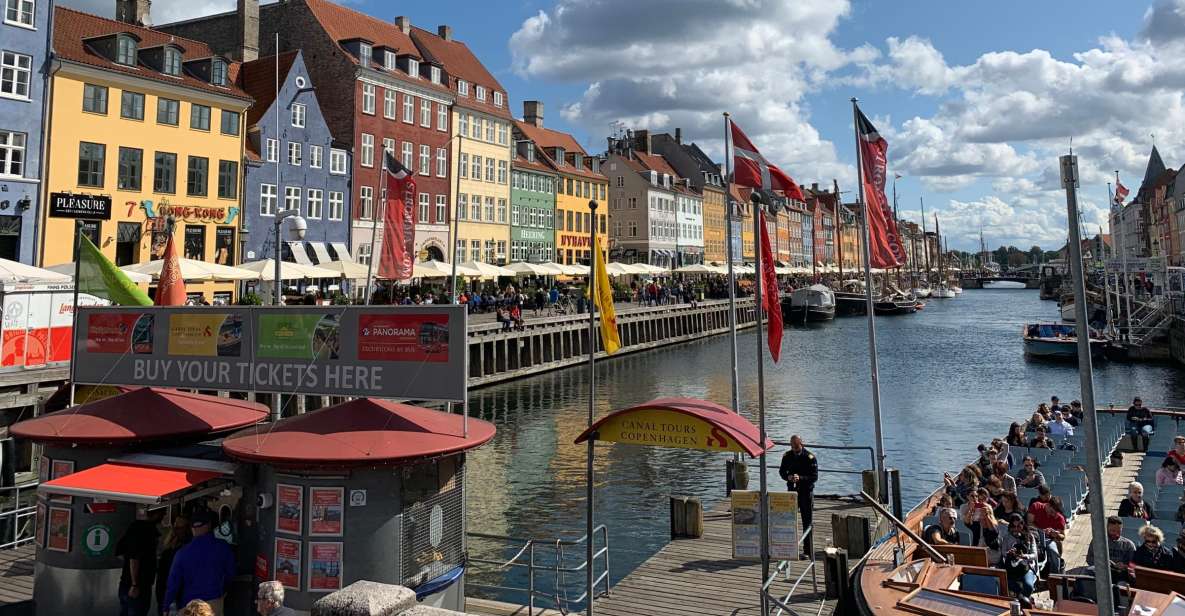
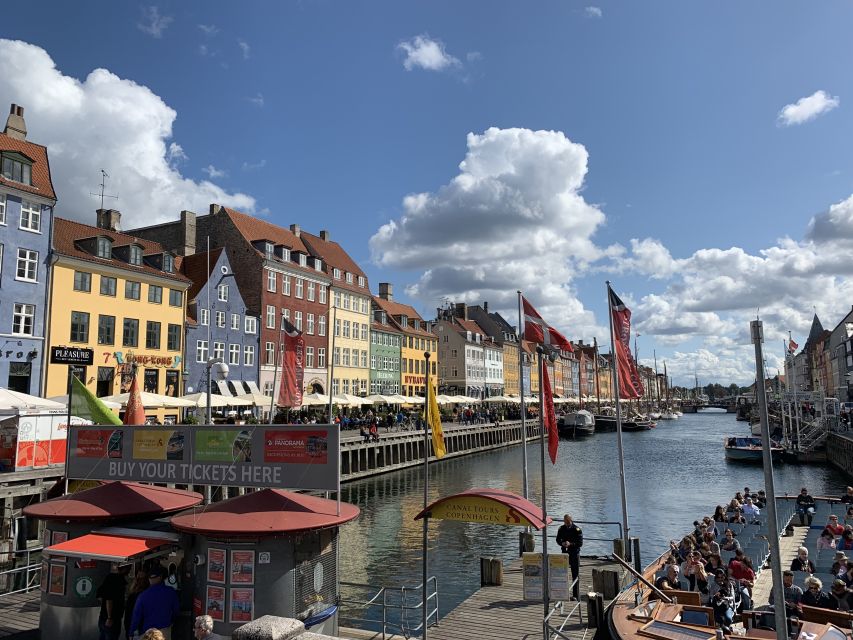
Then comes the stretch that makes so many people fall for Copenhagen: Nyhavn. This colorful harbor area gives you a different texture than the older squares—more motion, more waterfront energy, and a strong sense of what the city feels like in real life.
As the tour continues, you may reach Amalienborg Castle. This is the point where royal tradition meets the modern city flow. You’re not just looking at buildings; you’re learning what these places meant and why they still matter.
Nyhavn is also a natural mental reset. After hours of architecture and history, the harbor gives you a chance to breathe, take pictures, and simply soak in the atmosphere the guide has been building toward.
If you’re short on time in Copenhagen, Nyhavn is one of the best ways to end with a feeling, not just a list of sites.
How the guide turns customs into real-world meaning
A key promise here is learning Danish customs and traditions, and it’s not meant as trivia. The best moments come when the guide connects culture to what you see in the street.
In practice, that means you’ll get explanations that help you interpret behavior—how people move through public spaces, what locals value, and why certain traditions have held steady. That kind of context makes it easier to travel with confidence after the tour.
You can also expect the guide to tailor what matters to your group. Some guides, like those you may hear named such as Facundo, Edgar, Alessio, Lucy, Stuart, Tina, Martin, Papito, and Nuria, have a reputation for being story-focused and adaptable. You’ll notice it when the route adjusts around your interests or timing.
It also helps for families. If you’re bringing kids, this tour’s style tends to keep attention from drifting by mixing facts with humor and frequent, short pauses to look and ask.
Private group pacing: why 3 hours can feel longer
This is a private group format, with a group size capped at up to 5. That changes the whole vibe. It’s easier to ask questions without feeling like you’re interrupting a long queue of strangers.
It also means the guide can manage pacing better. Even when you’re seeing a lot of stops, you should feel more like you’re moving at your group’s speed rather than being dragged from one marker to the next.
In terms of distance, one review note put the walk at about 7 miles for the full loop experience. That’s not a “casual stroll,” so plan for real walking time, not just photo stops.
If your group wants to linger—like pausing near a major event point when the timing lines up—the guide can often make room when it fits the flow. That flexibility is part of the value, not a bonus.
What to bring so weather and cobblestones don’t ruin the day
This is a walking tour that happens rain or shine. That means your clothing needs to work in Copenhagen’s mood swings.
Bring:
- Comfortable shoes
- Warm clothing
- Umbrella
- A jacket or weather-appropriate layers
If you tend to get cold quickly, dress a bit warmer than you think you need. The tour covers enough ground that you’ll get moments of warmth from movement, then sudden chill when you stop for stories and photos.
Also keep your bag situation simple. Since large bags and luggage aren’t allowed, you’ll want a small daypack or manageable crossbody so you’re not stuck adjusting weight at every turn.
Price and value: $343 per group up to 5
The price is $343 per group (up to 5 people) for a 3-hour guided walk. That sounds steep if you compare it to per-person group tours, but it can be a strong deal when you split the group cost.
Here’s the math, so you can decide quickly:
- 5 people: about $68.60 per person
- 4 people: about $85.75 per person
- 2 people: about $171.50 per person
If you’re traveling as a couple or solo, the value depends on how much you care about guide quality and question time. If you’re traveling with kids or a small friend group, this price often makes sense because it buys you flexibility and a tighter, more personal pace.
To judge value honestly, ask yourself one question: do you want a “see everything” checklist, or do you want the city’s logic explained while you walk? This tour is built for the second option.
Who this walking tour suits best
This experience fits well if you want:
- A first-day orientation to Copenhagen’s core
- A guide-led walk through major sites like Strøget, the Cathedral, Round Tower, Rosenborg, Nyhavn, and Amalienborg
- Culture plus storytelling, not only photos
It’s also a good match for families, because guides often work to keep kids and teens engaged with pacing and humor. If you’re curious and you like asking questions, private-group structure helps a lot.
It may not be ideal if you have mobility limitations, because it is still a walking tour and includes a lot of ground. The tour is marked wheelchair accessible, but the separate note that it’s not suitable for people with mobility impairments is a real flag. If this is a concern for you, check in before booking and plan around how much walking you can realistically handle.
Should you book this Copenhagen guided walking tour?
I’d book it if you want Copenhagen to click fast. The mix of medieval streets, civic landmarks, royal sites, and the harbor feel at Nyhavn is a smart use of limited time, and the guide-driven approach is what makes it more than a route of highlights.
Choose this tour especially if you’re traveling in a small group up to 5, or if you want your guide to tailor stops to what your family cares about. The best-case scenario is a guide who tells stories clearly, keeps the pace comfortable, and helps you figure out what to do next on your own.
If you hate walking in any weather, or if you need frequent stops for mobility reasons, you’ll likely find this less workable. In that case, look for a shorter or less walking-heavy alternative.
FAQ
Where does the tour start?
You meet your guide at the Copenhagen Central Station exit in the direction of Tivoli.
How long is the walking tour?
The tour lasts 3 hours.
What does the price include?
It includes a meet-and-greet with the guide at Central Station and the 3-hour guided walking tour.
What isn’t included?
Food and drinks aren’t included, and there’s no hotel pickup or drop-off.
What language is the live guide?
The live tour guide is available in Spanish and English.
Is this tour private?
Yes, it’s a private group.
Is wheelchair access available?
The activity information says it is wheelchair accessible, but it also notes it is not suitable for people with mobility impairments. Since it is a walking tour, it’s worth considering how much walking you can do comfortably.
Does the tour run in bad weather?
Yes, the tour takes place rain or shine.
What should I bring?
Bring comfortable shoes, warm clothing, an umbrella, and weather-appropriate layers like a jacket.
Can I bring luggage or large bags?
No. Luggage or large bags aren’t allowed.