REVIEW · COPENHAGEN
Copenhagen: Christiania & Christianshavn Guided Walking Tour
Book on GetYourGuide →Operated by Lost with a Local · Bookable on GetYourGuide
Christiania is best when explained on foot. I love the local storytelling from guides like Lysander and Christian, and I love the small group size (10 max) that makes this feel like walking with a friend instead of queuing with strangers. One thing to plan for: it runs rain or shine, and there’s no food or drinks included.
You’ll connect two sides of Copenhagen that most visitors treat separately. Christianshavn brings canals and historic architecture into the conversation, then the tour shifts to Freetown Christiania for its anti-capitalist vibe, colorful street art, and community atmosphere. Along the way, you also get a practical mindset: how to avoid tourist traps and where to eat.
Finally, there’s a neat contrast built in. After Christiania, the route moves toward the more modern side of Christianshavn, ending near Strandgade. It’s not a checklist tour; it’s a “what this place is really like” walk, guided in English and paced for a comfortable 2 hours.
In This Review
- Key highlights you’ll actually feel on this walk
- Christianshavn and Christiania: the point is context, not just sights
- Meeting outside the blue house: start where locals start
- Stop by stop: what you’ll get from each part of the route
- Church of Our Saviour (about 15 minutes): a quick anchor before the change in mood
- Christianshavn’s canals and historic streets: the local pace you can copy
- Freetown Christiania (30 minutes + free time): street art and community, explained in human terms
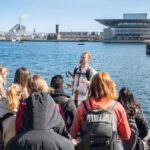
- Copenhagen Opera House (about 15 minutes): a modern contrast you can’t miss
- Finishing at Strandgade 95: where your walk naturally turns into your next meal
- Guides you’ll be glad you got: English, local roots, and a friendly pace
- Price and value: $49 for a local-led contrast walk
- Weather-proofing: rain or shine is part of the deal
- Who should book this walk (and who might want a different plan)
- Should you book? My straight answer
- FAQ
- How long is the guided walking tour?
- How much does it cost?
- Where does the tour start and end?
- Is the tour in English?
- What’s included and what’s not included?
- Does the tour run in bad weather?
Key highlights you’ll actually feel on this walk
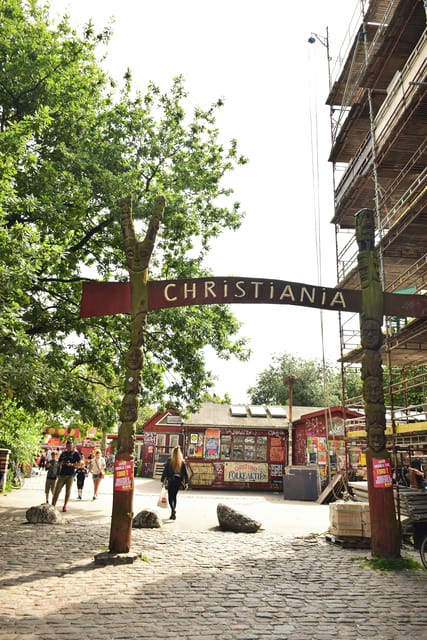
- Freetown Christiania explained beyond the stereotypes, with space for you to explore on your own
- Christianshavn canals and historic architecture covered by a long-time local guide
- Church of Our Saviour as a classic stop that anchors the older part of the route
- Copenhagen Opera House included briefly, for a clear modern contrast
- Personal recommendations for Danish and international food, with tips to sidestep the obvious tourist traps
Christianshavn and Christiania: the point is context, not just sights
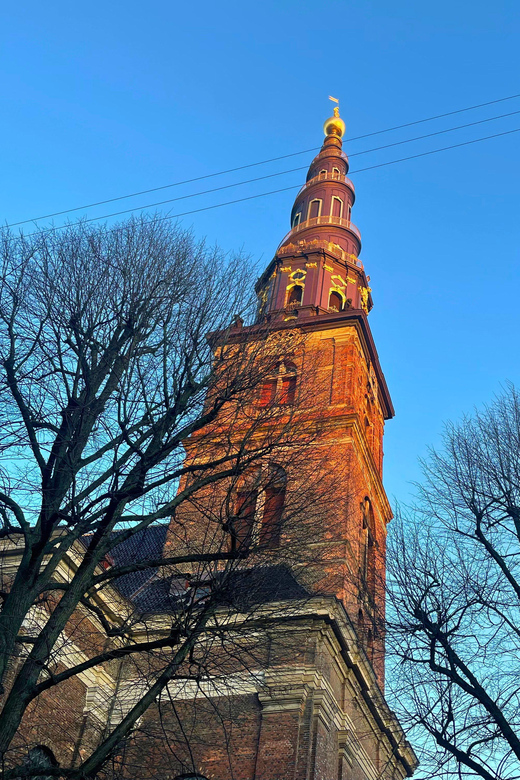
Copenhagen has famous postcard views, but Christianshavn and Christiania work differently. The value here is that you don’t just see the places—you learn how people relate to them: why canals and buildings matter in Christianshavn, and why Christiania’s community has its own rules and culture.
I like that this tour is built around perspective. A lifelong resident guide (the tour is led by a local) can explain what visitors often miss: how the area’s identity formed, and how it continues to shape daily life. That matters because Christiania in particular can feel confusing if you only go in with rumors and photos. On a guided walk, you get the background that helps you read what you’re seeing without turning it into a theme-park.
The pacing also helps. You get a visit to Freetown Christiania plus free time—so you can process it and wander at your own speed instead of being pushed through every corner.
You can also read our reviews of more walking tours in Copenhagen
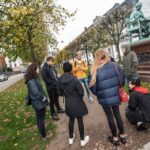
Meeting outside the blue house: start where locals start
The tour begins at one of two start options, with the main idea being to meet outside the blue house. One listed meeting location is Dronningensgade 4, associated with Lost With a Local.
This kind of meeting point setup can be a plus if you’re trying to avoid the “find the group at a random landmark” problem. You’re also starting close enough to the historic core that the first part feels immediate, not like a long transit puzzle.
Because the tour is small group (limited to 10 participants), you’re less likely to get separated into a slow shuffle. You still want to arrive a few minutes early so your guide can keep things smooth.
Stop by stop: what you’ll get from each part of the route
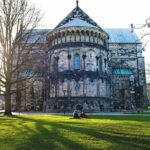
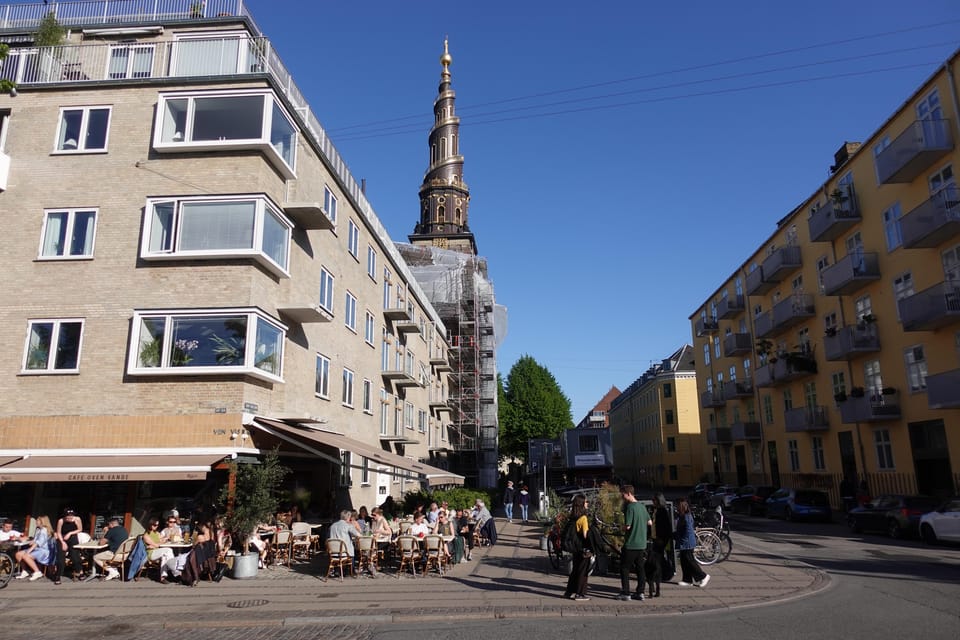
Church of Our Saviour (about 15 minutes): a quick anchor before the change in mood
Early on, you visit the Church of Our Saviour for around 15 minutes. Think of this as an orientation stop—something solid and recognizable that helps you understand the surrounding area before the tour shifts gears.
Even with a short visit, a guided explanation can make the stop feel more than “look at the building.” You can use it as a mental marker for where the older, more historic character of the area begins.
The main consideration here is time. If you’re the type who likes to linger inside religious buildings, 15 minutes may feel brief. But as part of a 2-hour walking tour, it works as a setup, not the whole event.
Christianshavn’s canals and historic streets: the local pace you can copy
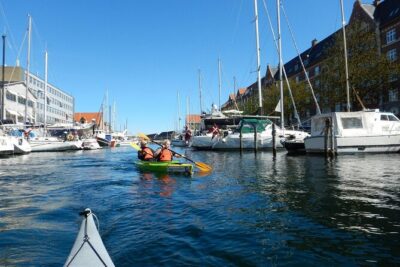
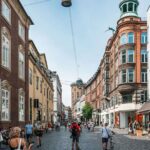
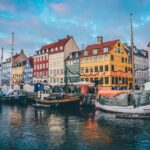
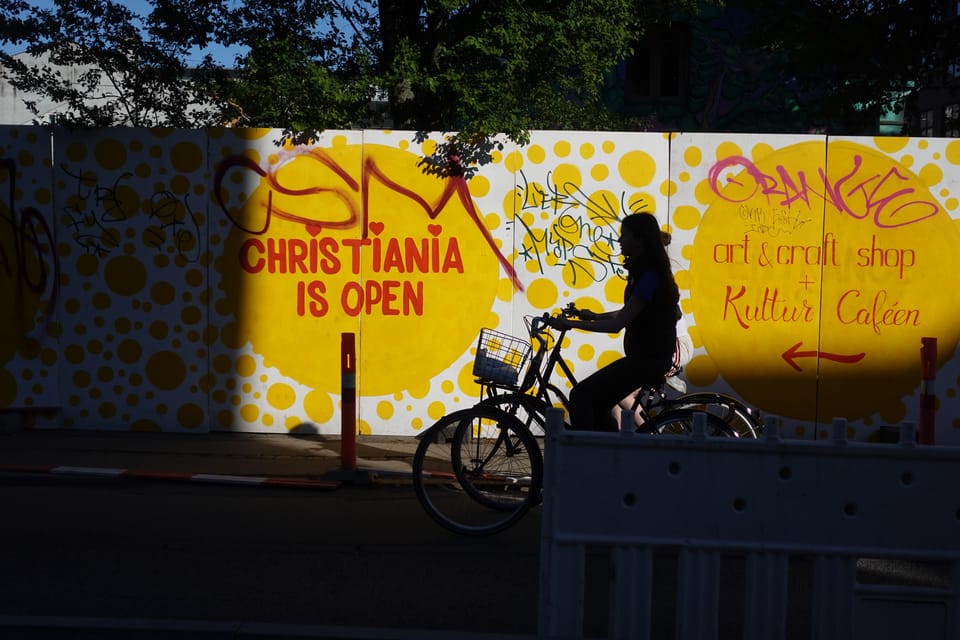
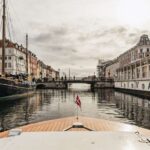
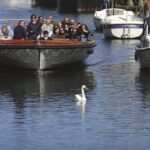
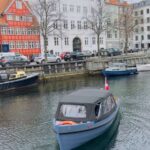
From there, the route moves through Christianshavn—guided time focused on architecture and canals, with a story behind what makes the area special.
This is the portion where you’ll feel the value of a lifelong resident guide. You’re not just walking past pretty water and facades; you’re learning what those details mean in practice: how the built environment shapes street life, and why this corner of Copenhagen earned its identity.
The walking itself stays manageable for most people because the total tour time is just 2 hours. Still, bring shoes you can handle on wet cobblestones—this is Denmark, and the tour goes rain or shine.
You can also read our reviews of more guided tours in Copenhagen


Freetown Christiania (30 minutes + free time): street art and community, explained in human terms
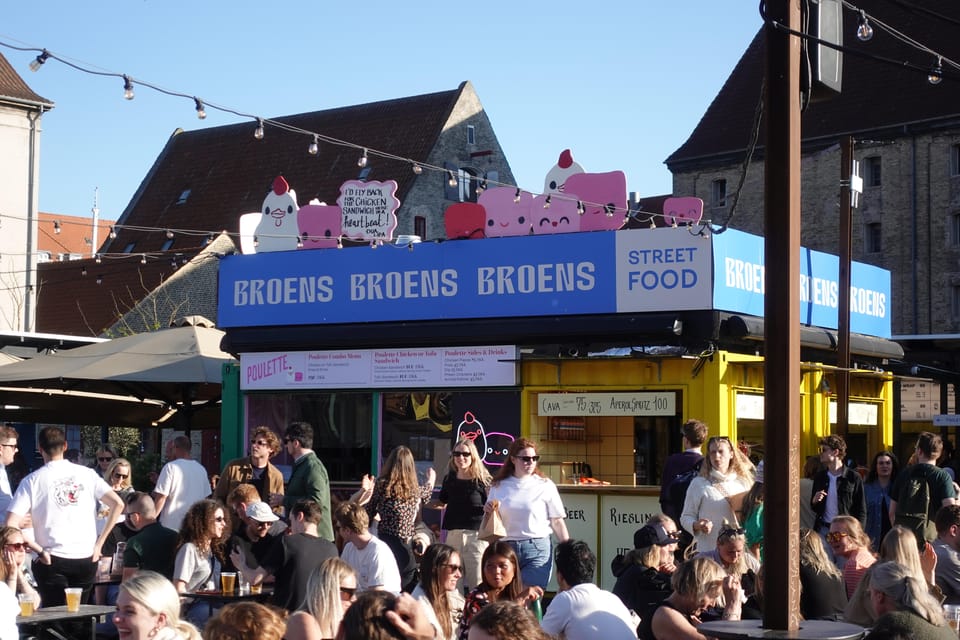
This is the heart of the tour. You’ll have a visit and about 30 minutes of free time inside Freetown Christiania.
What you can expect to see and hear:
- Colorful street art and visual details that signal community identity
- A neighborhood described as anti-capitalist, with a strong alternative lifestyle feel
- A guided story about what sets Christiania apart as a community
This is also where a good guide changes the experience. If all you bring are stereotypes, Christiania can feel like a mismatch between what you expected and what you actually observe. With context, you’re more likely to notice the things that show how people live and interact here.
Then you get free time, and that’s smart. Thirty minutes is enough to wander slowly and pick what grabs your attention—without the pressure of being rushed to the next photo spot.
One practical consideration: Christiania can feel like a place you need to approach respectfully. A guided visit helps you figure out what’s okay to do and how to act while you’re there. You’ll also get tips during the tour to help you avoid typical mistakes.
Copenhagen Opera House (about 15 minutes): a modern contrast you can’t miss
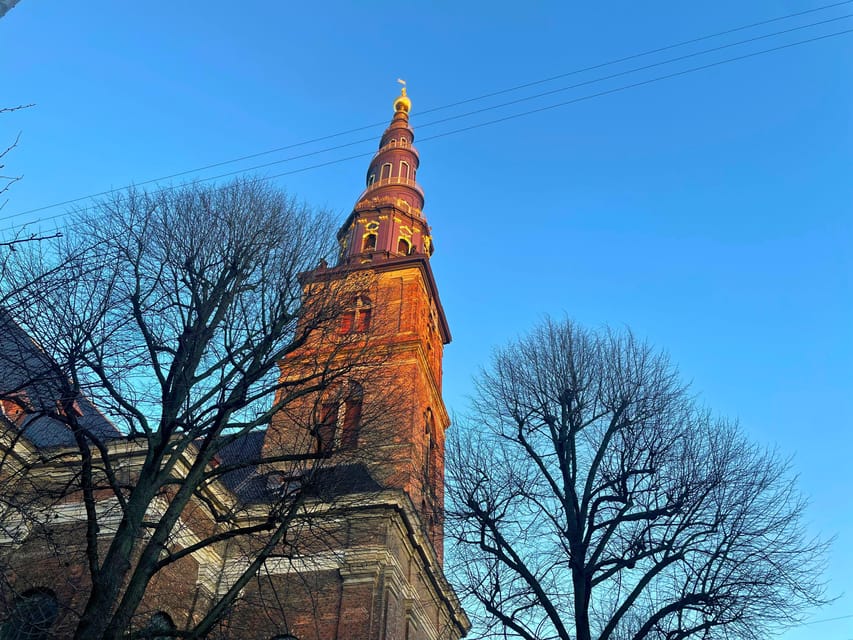
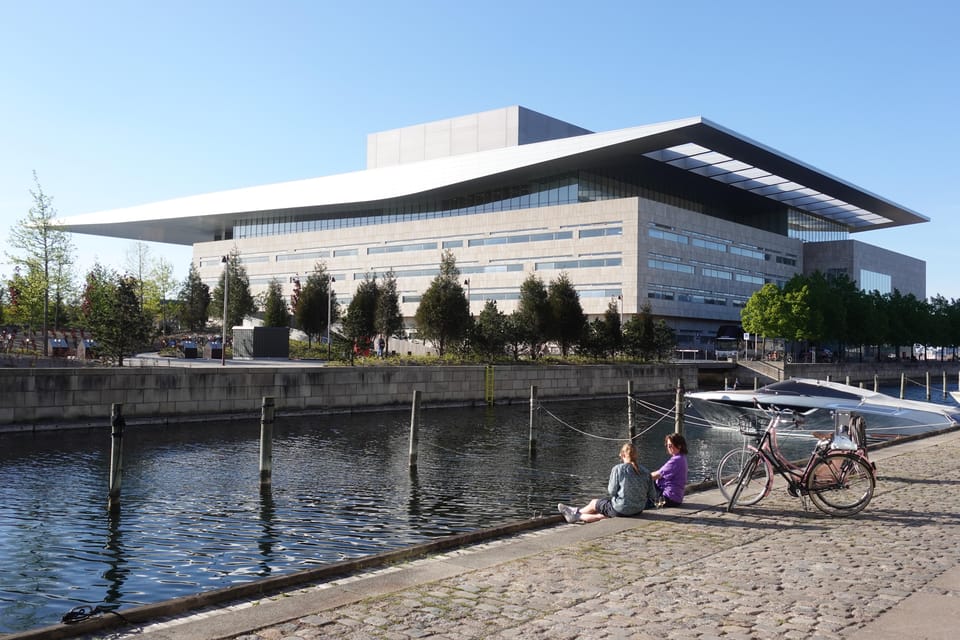
After Christiania, the route heads toward the more modern side of Christianshavn, with a short stop at the Copenhagen Opera House.
This part works because it’s not random. It provides a visible contrast: you move from an alternative community zone into Copenhagen’s modern cultural landmark feel. Even if you only spend about 15 minutes here, you’ll come away with a better sense of how different identities can sit close together in the city.
If you want a longer Opera House visit, this tour won’t replace a dedicated stop. But for a 2-hour walk that includes Christiania, Opera House time feels intentionally brief.
Finishing at Strandgade 95: where your walk naturally turns into your next meal
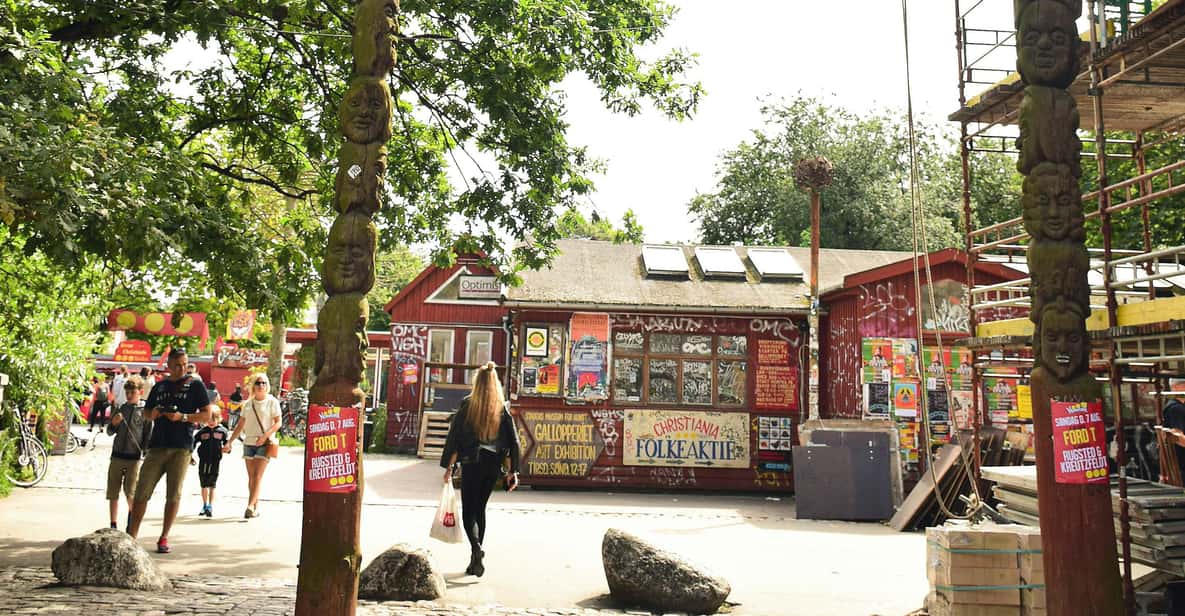
The tour ends at Strandgade 95. That’s helpful because Christianshavn and central Copenhagen give you plenty of food options nearby.
A major part of the tour value is what your guide gives you for after: recommendations for Danish and international cuisine, plus advice on how to avoid tourist traps. Since food and drinks aren’t included, those pointers can turn the end of the tour into an easy win.
Guides you’ll be glad you got: English, local roots, and a friendly pace
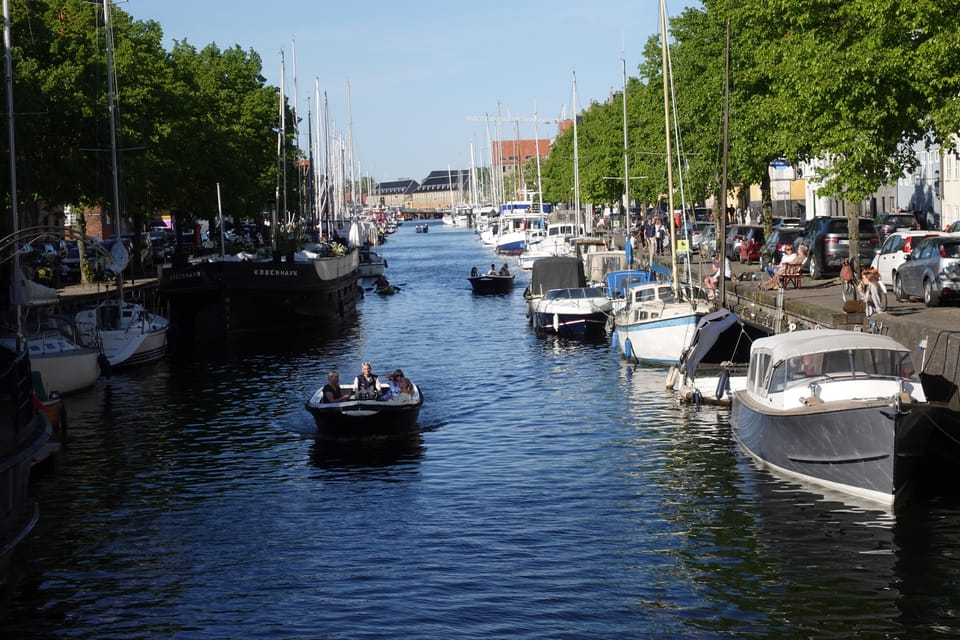
The tour is in English, and it’s led by a local guide. The small group size (max 10) is there for a reason: it keeps your questions possible, and it keeps your pace comfortable.
From the names that have shown up leading tours—Lysander, Simon, Christian, and Noah—the recurring theme is that the guides bring real first-hand context and strong English. People specifically highlight how personable the guides are and how the tour feels not touristy.
I also like the way the tour balances explanation and walking conversation. You’re not stuck hearing a monologue the whole time. Instead, the stories come when they help you look at something differently.
Price and value: $49 for a local-led contrast walk
At $49 per person for a 2-hour guided walking tour, you’re paying for three things:
1) access to two distinct neighborhoods with very different identities
2) a guide who can connect the dots (especially around Christiania)
3) the time savings of not having to plan a route that makes sense in context
Could you walk Christianshavn and Christiania on your own? Yes. But without local explanation, you’ll likely miss why certain places look the way they do, and you’ll be more likely to fall into the easiest tourist routes.
Where the price starts feeling fair is the small group limit. A group of up to 10 makes it easier for a guide to keep your questions in the mix, and it reduces the “follow the leader” feeling. It also supports the slower, reflective parts of a walking tour—like making sense of street art and community atmosphere.
One drawback to keep in mind: food and drinks aren’t included. That’s not a dealbreaker, but it does mean you’ll want to plan your meal afterward (which, again, your guide helps with).
Weather-proofing: rain or shine is part of the deal
This tour runs rain or shine, so you need to treat it like an outdoor walk. Bring layers you can adjust, and pack something light for rain if the forecast looks messy.
Wet weather can make walking more slippery, but it also makes canals look great and keeps the city atmospheric. If you’re the type who cancels at the first drizzle, this may not be the tour for you. If you’re okay with putting on a rain layer, you’ll likely have a more relaxed day than those chasing indoor-only plans.
Who should book this walk (and who might want a different plan)
This is a great fit if:
- You want more than surface photos in Christiania and Christianshavn
- You like guided context, especially around places with strong local identity
- You prefer a small group and a conversational pace
- You appreciate practical advice for where to eat and what to skip
You might consider a different option if:
- You need a tour that includes food and drinks
- You dislike walking in wet weather (since it’s rain or shine)
- You want long stops inside major sights (this is built to move through multiple areas in 2 hours)
Should you book? My straight answer
If you’re doing Copenhagen for a short trip and want to understand the city’s edges, this is a smart booking. The Christiania portion plus the Christianshavn architecture/canal context is the type of pairing that’s hard to replicate alone, especially when you factor in the guide’s recommendations for what to do next.
Book it if you like real local perspective and you want a route that makes sense. Skip it only if you’re looking for a long, inside-the-building kind of tour or you can’t handle the idea of walking outdoors in Denmark’s weather.
FAQ
How long is the guided walking tour?
The tour lasts about 2 hours.
How much does it cost?
The price is $49 per person.
Where does the tour start and end?
You meet outside the blue house (one listed option is Dronningensgade 4). The tour finishes at Strandgade 95, 1401 København.
Is the tour in English?
Yes, the live guide speaks English.
What’s included and what’s not included?
Included: a local guide and the walking tour. Not included: transportation, food, and drinks.
Does the tour run in bad weather?
Yes, it takes place rain or shine.