REVIEW · COPENHAGEN
Hippies & Christianshavn Walking Tour
Book on Viator →Operated by Politically Incorrect Tours · Bookable on Viator
Copenhagen can be serious. This walk is not. The Hippies & Christianshavn tour uses humor and local detail to help you understand how this part of the city works—then gives you a “what should I do next?” map in your head.
I like two things most: first, the guide style—witty, welcoming, and ready for questions. Second, the pacing and route, which mixes standout landmarks (like a famous church and a distinctive bridge) with the social history of Christiania without turning it into a lecture.
One thing to consider: you cannot join the tour inside Christiania. It ends outside, and the focus is on seeing the area from the edges—so if your dream is walking fully through the free town with your guide, this isn’t the right fit.
In This Review
- Quick hits before you set off
- Price and logistics: a low cost, but don’t treat it casually
- Where you start (and why the orange umbrella matters)
- Stop 1: Havnegade Harbour Promenade and the easiest way to orient yourself
- Stop 2: Inderhavnsbroen—the odd bridge story
- Stop 3: North Atlantic House and the culinary story (including old Noma)
- Christiania’s architecture and governance: what you’ll learn from the edges
- Stop 4: Our Saviour’s Church and the tale of the disappointing architect
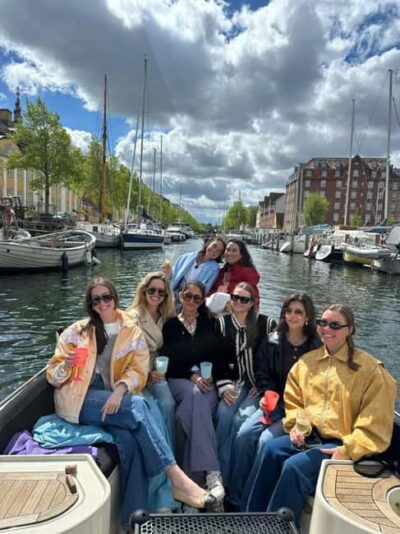
- Stop 5: Christianshavn canals and the ending outside Christiania
- Guide style: humor that stays connected to real history
- Who should book this (and who should skip it)
- Should you book Hippies & Christianshavn?
- FAQ
- How long is the Hippies & Christianshavn Walking Tour?
- How much does it cost?
- What language is the tour offered in?
- Where do I meet, and where does the tour end?
- Can I enter Christiania with the guide?
- What’s included in the price?
Quick hits before you set off
- Orange-umbrella meeting point by Inderhavnsbroen, so you can find the group fast
- 1.5 hours outdoors, with a pace that still leaves you energy to explore after
- Small-group setup up to 6 adults (and never more than 30 total), which usually keeps Q&A flowing
- The bridge backstory plus a food-history stop tied to old Noma at North Atlantic House
- Church drama at Our Saviour’s Church, including a tale of a disappointing architect
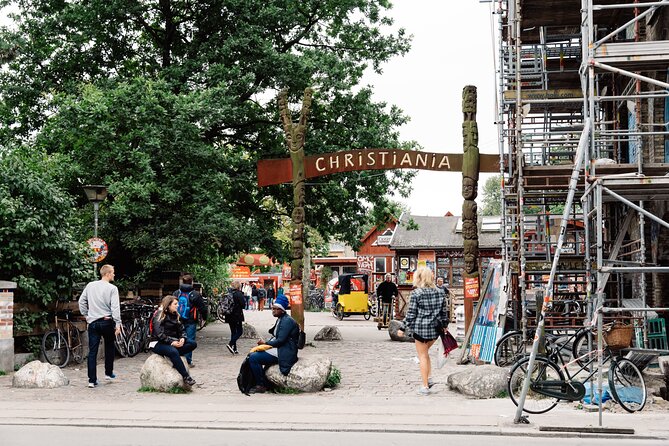
- Christiania context without entry, including architecture, history, and how the community governs itself
Price and logistics: a low cost, but don’t treat it casually
At about $6.02 per person for roughly 1.5 hours, this tour is priced like a budget-friendly intro—yet it’s not “just a stroll.” You’re paying for a guide who can connect places in Christianshavn to the stories people argue about: architecture, governance, culture clashes, and Copenhagen’s changing identity.
The format is simple: an English walking tour outdoors only, with a guide included. You’ll get a mobile ticket, and service animals are allowed. It’s also close to public transportation, which matters because you’re meeting right by the harbor area.
Two practical notes I’d take seriously:
- Be on time. The tour starts at 2:30 pm, and the operator says they can’t guarantee the tour if you don’t arrive on schedule.
- Wear shoes for walking. Expect movement between stops, including the harbor promenade and canal-side areas.
You can also read our reviews of more walking tours in Copenhagen

Where you start (and why the orange umbrella matters)
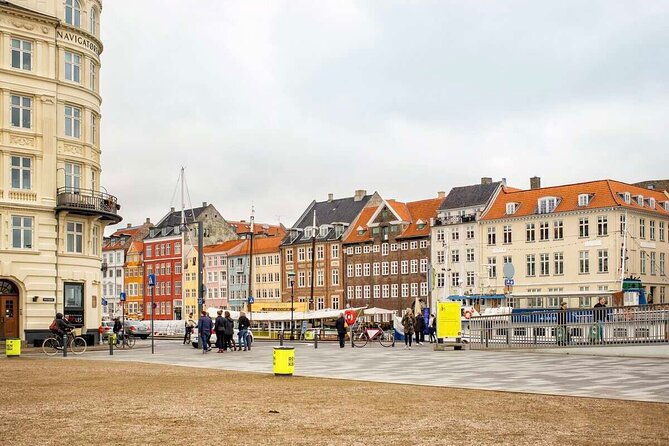
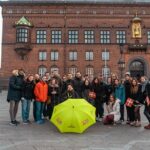
You meet at Havnegade 54, 1058 København, right next to the colorful bridge Inderhavnsbroen. They specifically tell you to look for an orange umbrella, so arriving a few minutes early isn’t just polite—it helps you avoid the “Did I miss it?” panic.
The ending location is also useful for planning: you finish at Overgaden Oven Vandet 42, 1415 København. The important part is the wording you’ll see on the tour: the tour ends outside Christiania, and the location pin may not be exact.
Also, this is capped small: up to 6 people for small group bookings, and maximum 30 travelers overall. That ceiling helps keep the experience conversational rather than herding—especially if you like asking questions.
Stop 1: Havnegade Harbour Promenade and the easiest way to orient yourself
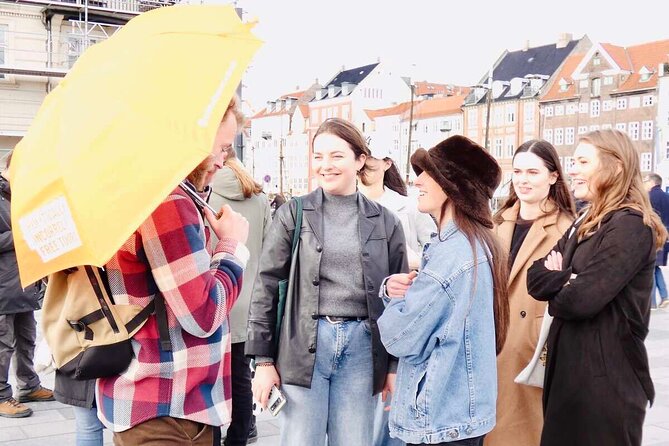
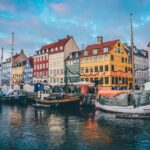
The tour opens at the Harbour Promenade near Inderhavnsbroen. This is a smart first move because it gives you a visual anchor immediately—water, bridges, and the canal-harbor vibe that defines this corner of Copenhagen.
Why it works for first-timers: you learn the neighborhood’s “logic” before diving into controversy. You’re not just hearing history; you’re seeing why these streets and routes developed the way they did. Plus, the meeting area is colorful and easy to photograph, which makes the first five minutes feel like you’re already in the scene.
Stop 2: Inderhavnsbroen—the odd bridge story
Then you move to Inderhavnsbroen, the bridge you likely noticed while looking for that orange umbrella. The guide’s job here is to explain why it’s known by multiple names—basically, how a single structure can become a local reference point with different labels over time.
This part is short—about 10 minutes—but it sets the tone. The best guides here don’t treat facts like trivia. They connect the bridge to the neighborhood’s identity: trade routes, change over time, and how Copenhagen marks key spots.
If you like asking follow-up questions, this stop is a good moment to do it. Bridges, names, and timelines are the kind of topic that often turns into real conversation.
Stop 3: North Atlantic House and the culinary story (including old Noma)
Next comes North Atlantic House. This is where the tour adds a “wait, really?” layer: it’s tied to Copenhagen’s food story, including old Noma—the earlier site of the restaurant people still talk about.
Why I think this stop matters: it shows that culture in Copenhagen isn’t only museums and monuments. It’s also restaurants, chefs, and the way an international spotlight can reshape a neighborhood’s reputation.
It’s also a good reset from the political-cultural theme. You get a different angle on why Christianshavn and the surrounding area have earned attention: creativity shows up in more than one form.


Christiania’s architecture and governance: what you’ll learn from the edges
One stop is dedicated to Christiania’s architecture and history, plus the unique governance structure of Christiania. Since the tour ends outside the free town, you should treat this as a context-building chapter, not a walk-through.
This is also the part where humor tends to do real work. When a guide explains governance and culture rules in a lightly comic way, it’s easier to follow. You’re less likely to miss the point when the topic is complicated.
A useful detail to know: Christiania is going through change. In at least one account, a guide talked about the transition where weed is no longer sold on Pusher Street, and explained why. Even if you don’t care about that specific issue, it’s a strong example of how the tour frames Christiania as living and evolving—rather than as a static “1970s dream.”
Stop 4: Our Saviour’s Church and the tale of the disappointing architect
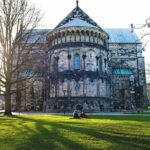
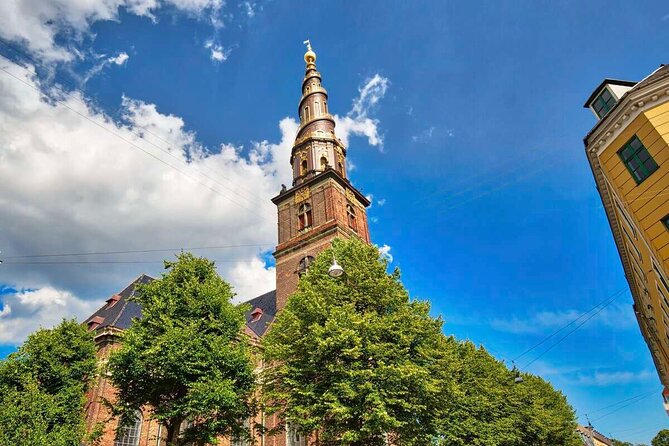
Now you’re at Our Saviour’s Church, described as one of the most beautiful churches in the city. You’ll walk past it and hear a story about a disappointing architect.
That combo—admiration plus criticism—tends to be the sweet spot for guides on this route. You get to appreciate the building’s impact while also learning how plans, compromises, and decisions can leave a mark. It’s not “church facts,” it’s “how the city got what it got.”
If you care about how big projects get messy, this stop is worth your attention. It also gives your legs a breather while you listen.
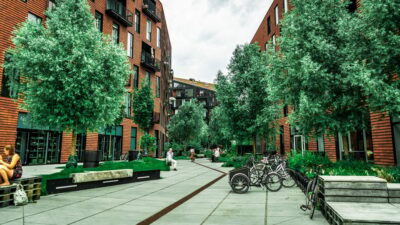
Stop 5: Christianshavn canals and the ending outside Christiania
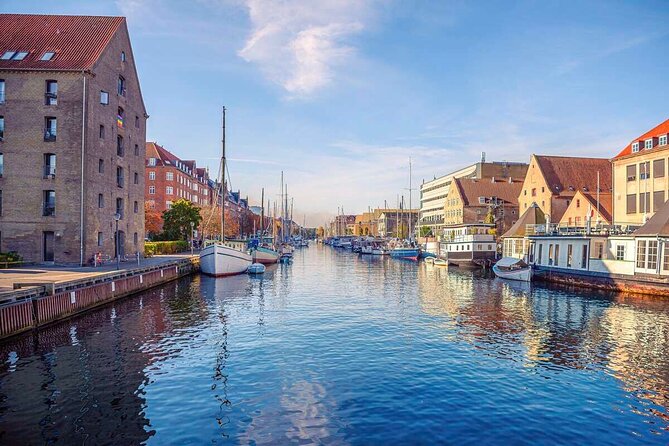
The tour finishes in Christianshavn, near the canals by Christiania, where you can decide whether to keep exploring on your own. The key point here is direct: the tour ends outside of Christiania, and it’s not possible to conduct the tour inside the hippie town. The operator also notes that outside tours aren’t welcome within Christiania.
So what should you do with your leftover curiosity?
- Hang around the canal and streets near the edge of Christiania and observe what’s visible from outside.
- If you’re interested in going in, do it after the tour, on your own terms, and be respectful of local rules.
A walking tour ending like this is a feature, not a problem. It means your guide isn’t trying to force an entrance that isn’t allowed. You get context and direction, then you choose how close you want to get.
Guide style: humor that stays connected to real history
This tour’s biggest strength is the guide’s voice. Multiple guides are described as funny and approachable, with that “ask me anything” energy. Names that come up include Roger, Conrad, Sebastian, Thor, Martin, and Marcus.
I like that this isn’t humor for humor’s sake. The comedy works like a handle for the tougher material—why Christiania governs itself differently, why Copenhagen’s identity shifts, and how outsiders see it versus how it functions day to day.
One practical tip: if you like learning, this is a good tour to bring questions. The guide’s job includes being okay with you picking their brain. If you’re new to Copenhagen, start here and ask for “one thing I shouldn’t miss next” at each stop.
It’s also described as adult humor in places. If you’re traveling with kids, this is a question to ask in advance. The tour itself is still outdoors and general, but the tone can be more grown-up than a school-trip walk.
Who should book this (and who should skip it)
This tour is a great fit if:
- You’re new to Copenhagen and want fast orientation in a character-heavy neighborhood
- You like guides who explain the why behind the city, not only dates and photos
- You want humor plus context, especially around Christiania
It may not be ideal if:
- Your top priority is a guided walk inside Christiania (the tour ends outside, and tours aren’t welcome within)
- You’re expecting a slow, sightseeing-only route with no political or governance topics
Given the outdoor format, good weather helps. The tour is designed for walking, so rain and cold can change the experience quickly.
Should you book Hippies & Christianshavn?
If you want a low-cost, high-value way to understand Christianshavn and Christiania from the outside, I’d book it. The price is small, but you’re buying something you can feel: a guide who mixes humor, history, and practical direction so you leave with clarity instead of confusion.
I’d skip it only if “inside Christiania with a guide” is your non-negotiable goal. Otherwise, this is a smart starter tour—one that helps you see the neighborhood, understand the debate behind it, and then choose what to explore next on your own.
FAQ
How long is the Hippies & Christianshavn Walking Tour?
It lasts about 1 hour 30 minutes and is outdoors only.
How much does it cost?
The listed price is $6.02 per person.
What language is the tour offered in?
The tour is offered in English.
Where do I meet, and where does the tour end?
You meet at Havnegade 54, 1058 København near Inderhavnsbroen (look for an orange umbrella). The tour ends at Overgaden Oven Vandet 42, 1415 København, outside of Christiania.
Can I enter Christiania with the guide?
The tour ends outside Christiania and is not possible to conduct inside the hippie town.
What’s included in the price?
The tour includes a guide. Entrance fees aren’t part of the cost since it’s an outdoors-only walking experience.