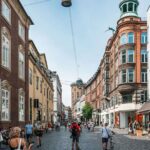
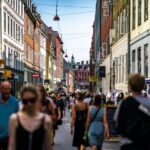
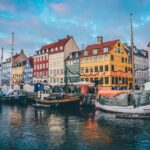
Copenhagen gets organized in just three hours. This walking route ties together Nyhavn, the royal-palace area, and the most photogenic architectural stops, so you walk away with a clear mental map. I especially like how the guide keeps pointing out what you’re looking at, not just where to stand for a photo.
My other favorite part is the mix of styles: Frederiks Kirke (the Marble Church) alongside palaces and civic landmarks, with the Lur Blowers monument near City Hall added for Danish heritage context. One drawback to note: it’s 3 hours at walking pace, so you won’t have time to wander deep into shops or linger for long café breaks. Bring comfy shoes, and treat it as your orientation lap.
In This Review
- Key moments to look forward to
- A smart way to “get your bearings” fast
- Starting at Studiestræde 52 and finding Strøget on day one
- Christiansborg Palace: the royal-civic mix in one view
- Magasin du Nord and the Royal Danish Theatre: city style in motion
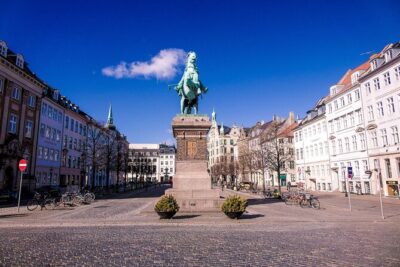
- Amalienborg Palace: a major regal moment with real perspective
- Frederiks Kirke (Marble Church) and the Lur Blowers heritage stop
- Nyhavn: colorful 17th and 18th-century facades at walking speed
- What your guide actually brings to the table
- Price and value: why $58 can feel fair
- Who should book this walking tour
- Should you book this tour?
- FAQ
- How long is the Copenhagen Highlights and Hidden Gems Walking Tour?
- Where do I meet the guide?
- How much does the tour cost?
- Is this tour private or shared?
- Which sights are included?
- What languages is the guide available in?
- Is the tour wheelchair accessible?
- What is included in the price?
- Can I get a refund if my plans change?
- Does booking require payment right away?
Key moments to look forward to
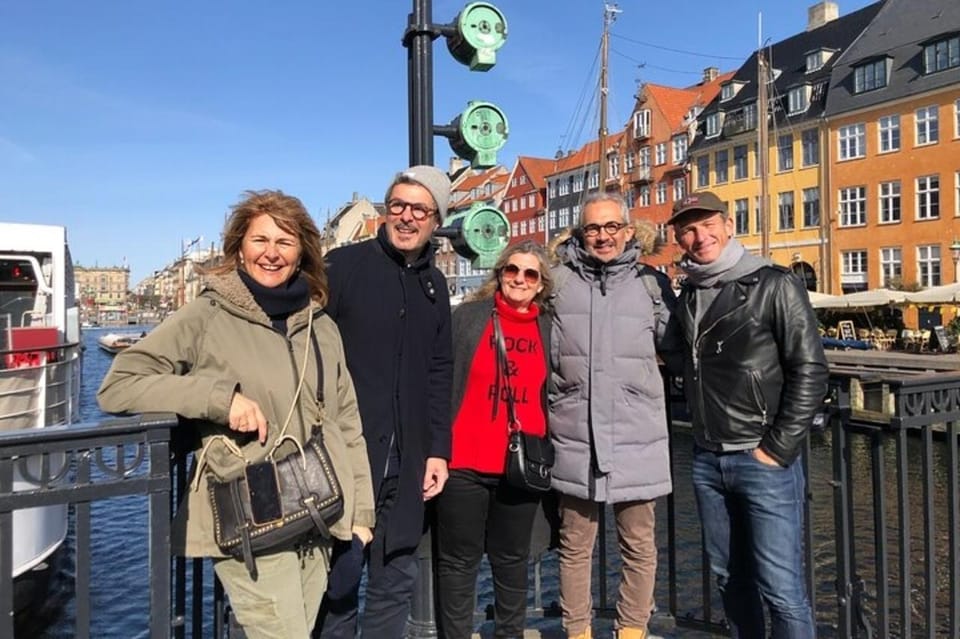
- Color-coded facades in Nyhavn with guide-led photo stops and storytelling
- Frederiks Kirke’s Marble Church look and rococo architecture cues to notice
- Royal sights in sequence: Amalienborg Palace and the Royal Danish Theatre area
- Strøget and Magasin du Nord contrast between old streets and modern city life
- A heritage pause at Lur Blowers next to City Hall before you move on
- A guide who adjusts to you and can suggest other Copenhagen plans
A smart way to “get your bearings” fast

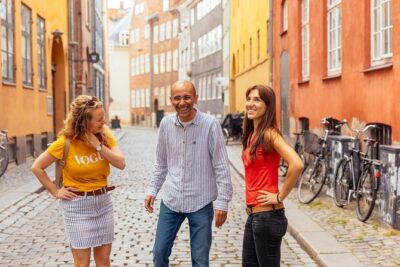
This tour works well when Copenhagen feels like a lot at once. You start in the city center and build your understanding stop-by-stop: shopping streets, palaces, major landmarks, and then the harbor-front mood of Nyhavn. Instead of bouncing around on your own, you get an efficient route that hits the big visual anchors.
And because it’s guided—either private or shared—you can ask questions as you walk. That’s the difference between seeing buildings and actually understanding why they matter. The whole vibe is part sightseeing, part city coaching.
The price—$58 per person for about 3 hours—is really about buying time and confidence. You’re not paying for admission; you’re paying for a live guide and a crafted route through the places you’ll most want to revisit later.
You can also read our reviews of more walking tours in Copenhagen


Starting at Studiestræde 52 and finding Strøget on day one

You meet your guide at Studiestræde 52, which puts you close enough to the action without making you trek across town first. From there, you head to Strøget, Copenhagen’s famous pedestrian shopping street area.
Even if you don’t plan to buy anything, Strøget is a useful orientation tool. You’ll get a feel for how the city flows at street level: where people pass, where landmarks line up, and how the pedestrian core shapes daily life. Expect a photo stop, then a guided walk with time to absorb what you’re seeing rather than just rushing through.
If you like to plan ahead, this is where your guide’s “what to do next” value usually starts to show. A good guide can steer you toward neighborhoods and viewpoints that match your interests—architecture, food, or just classic Copenhagen wandering.
Christiansborg Palace: the royal-civic mix in one view
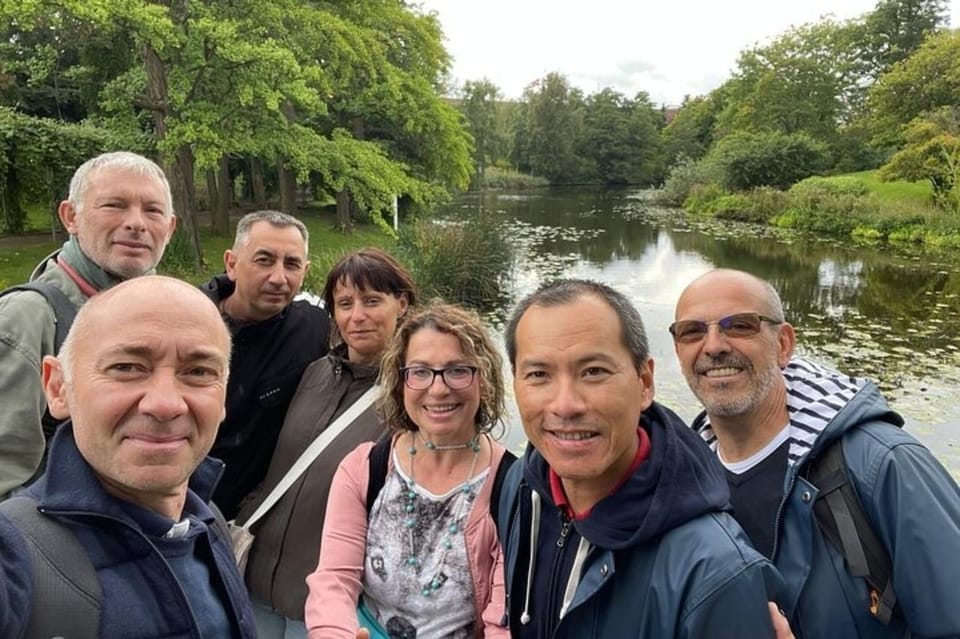
Next up is Christiansborg Palace. You’ll get another photo stop and then a guided tour that helps you place it in the city’s bigger story.
Why I like this stop in particular: it’s not just a “pretty palace” moment. It sits in the overlap between royal imagery and the functioning side of Denmark’s public life. That matters because Copenhagen isn’t only postcard scenery—it’s a working capital.
Practical tip: this area is central, so if you’re a person who hates backtracking, pay attention to what your guide points out while you’re there. The goal is that later you’ll recognize the area instantly, even on your own.
Magasin du Nord and the Royal Danish Theatre: city style in motion

Then you pass Magasin du Nord, the iconic department store stop that adds a modern Copenhagen layer to the route. It’s a great reset: one minute you’re thinking about palaces and government landmarks, and the next you’re seeing how the city centers commerce and style in the same walk.
After that, you’ll head toward the Royal Danish Theatre area for a photo stop and guided context. This is where Copenhagen’s arts identity shows up visually, not just in museum form. Even if you’re not catching a show, it helps you understand why the theatre matters to the city’s cultural rhythm.
If you’re the type who likes to plan an evening, this stop often triggers ideas. A guide who knows Copenhagen well can suggest what to pair with your walk—something close, something seasonal, something that fits your energy level.
Amalienborg Palace: a major regal moment with real perspective
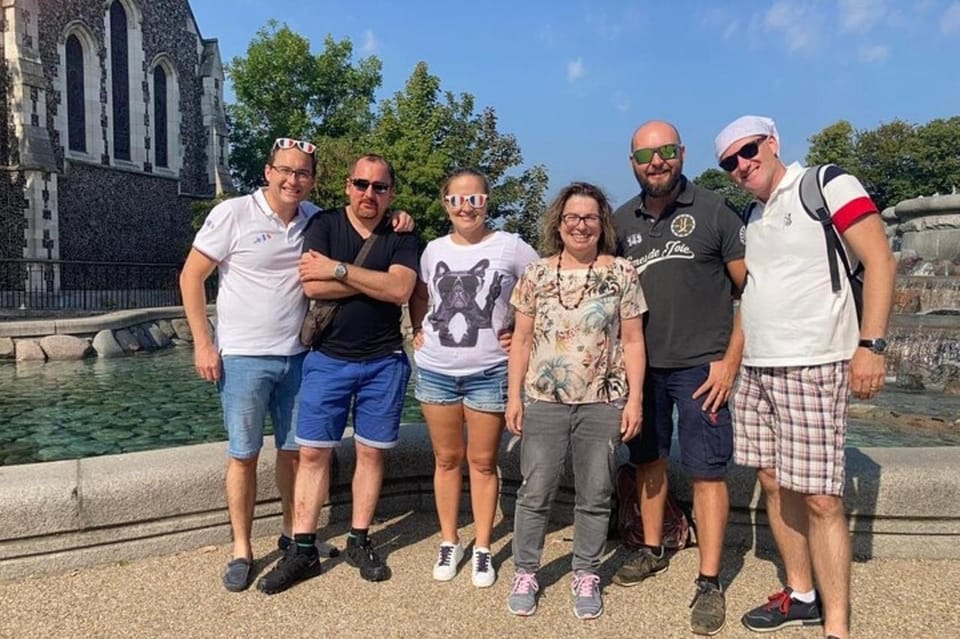
The tour then reaches Amalienborg Palace. You’ll have time for a photo stop and guided sightseeing before continuing on.
I like Amalienborg on a walking tour because you see it at human scale. From the street, it’s easier to understand how the area feels and why it’s a focal point in the city. It also keeps your royal sightseeing logically connected—palace to theatre to palace-adjacent landmarks—so it doesn’t feel like you’re collecting random sights.
A small caution: if you’re planning other palace-heavy day trips later, take note of how this one looks from different angles while you’re there. Walking tours usually give you a few viewpoints that you might miss if you just do a quick photo and move on.




Frederiks Kirke (Marble Church) and the Lur Blowers heritage stop

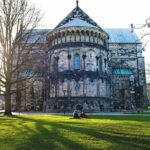
One of the strongest parts of the route is the architecture contrast. You’ll pass Frederiks Kirke, known as the Marble Church, and your guide shares cues about its rococo architecture. This is a classic Copenhagen “slow your pace” moment because the details reward close looking.
After that, there’s a contemplative pause at the Lur Blowers monument next to City Hall. This stop shifts the feeling of the tour from sightseeing into cultural context. It’s not only about what looks good in a photo; it’s about what Denmark chooses to memorialize and why.
If you tend to skip statues because they seem small in the grand scheme, this is the one worth giving a little time. In a short tour, these “meaning stops” are what separate a guided walk from just a scenic walk.
Nyhavn: colorful 17th and 18th-century facades at walking speed

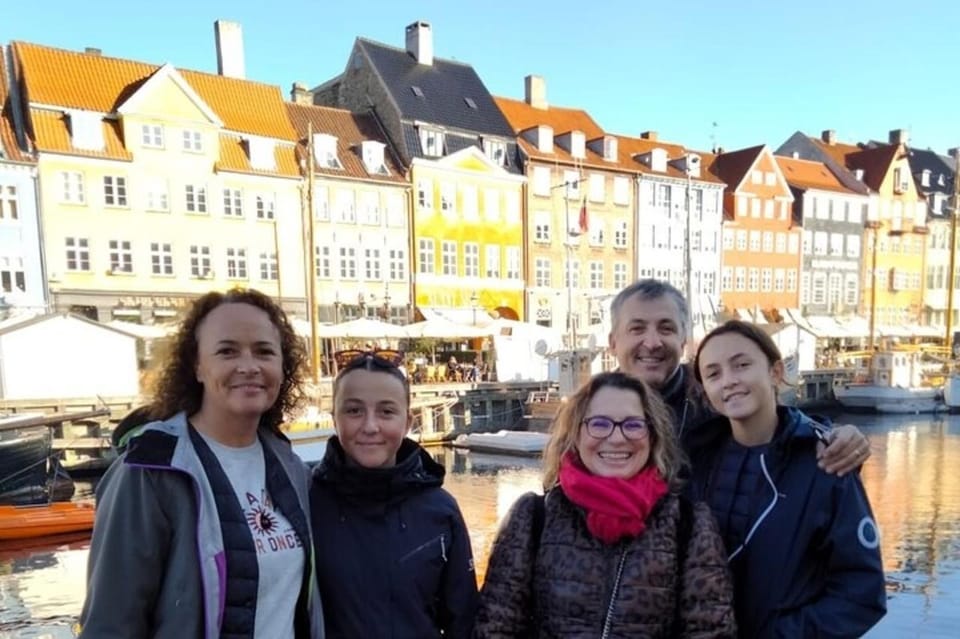
Finally, you reach Nyhavn, the waterfront district famous for its colorful facades. This is where Copenhagen turns into a movie set—only you’re walking through it, not watching it.
You’ll do a photo stop and a guided walk, with time to absorb the area’s atmosphere and restaurant-lined waterfront energy. Expect the focus to stay on the 17th and 18th-century buildings and how they shape the look of the harbor.
Nyhavn is also where I’d suggest you slow down mentally. Even if you’ve seen photos online, it’s worth noticing the way the buildings line up along the water and how the street layout shapes what you can see from each angle.
What your guide actually brings to the table
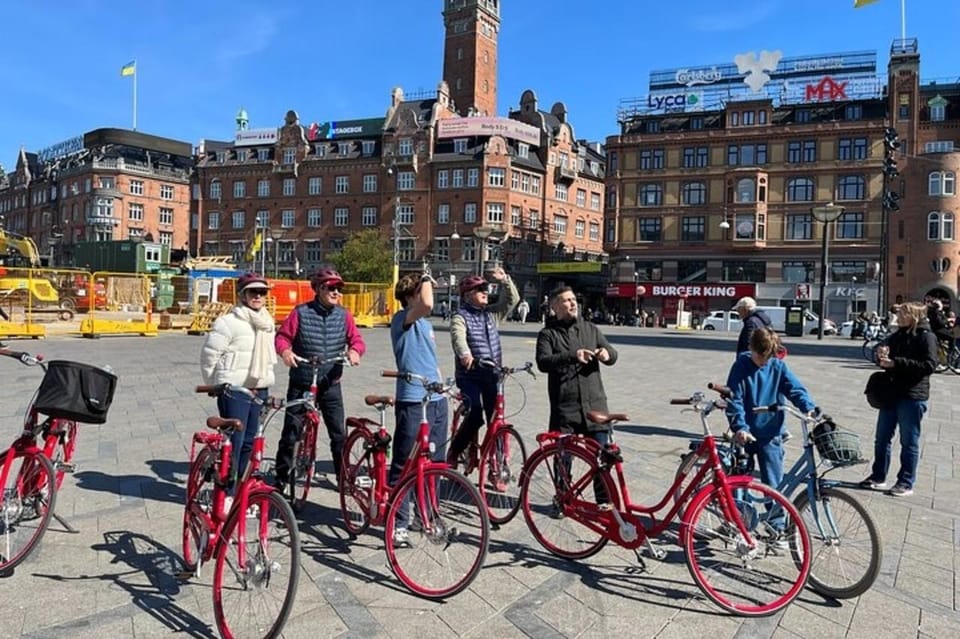
The big selling point here isn’t only the list of landmarks. It’s the live guide. You get an on-the-ground explanation in English, French, Italian, or Spanish, depending on the option.
What stands out from different guide styles is the way they handle questions and tailor the walk to your interests. Some guides—like Simona, Frédéric, and Mood—are known for being engaging and prepared, and for answering curiosity on the spot. You may also get practical recommendations for other parts of Copenhagen that fit your time—especially helpful if you’re on a weekend schedule.
This matters because Copenhagen can be overwhelming if you’re trying to “do everything.” A guide helps you choose what’s worth your next hour, not just what’s famous.
Price and value: why $58 can feel fair
Let’s talk money without the fluff. At $58 per person for 3 hours, you’re paying for:
- A structured walk that hits major landmarks in one go
- A live guide who gives context as you move
- Photo stops so you’re not guessing where to stand
- The option to go private or shared, depending on what you want socially and financially
If you’ve ever tried to cobble together a self-guided route on a first day, you know the hidden cost is confusion. You lose time. You backtrack. You miss the “why” behind what you’re seeing.
This tour is designed to reduce that friction. Even if you only remember half the details, you’ll still come away with a better mental map and a short list of next stops your guide suggests.
Who should book this walking tour
This is a strong fit if you:
- Want a high-impact first visit without a car or complicated planning
- Like guided context, especially about architecture and Danish heritage
- Enjoy walking and prefer street-level sightseeing over long museum marathons
- Travel with friends who want flexibility (private group option is available)
It’s less ideal if you hate walking, need long breaks every stop, or expect a slow, in-depth tour where you stay at one location for ages. This one keeps you moving—on purpose.
Should you book this tour?
I’d book it if you want Copenhagen organized into a logical loop: Strøget to palace area, architecture stops in between, then Nyhavn to finish. The live guide component is the real value, especially when you want clear explanations and local ideas for what to do next.
Skip it only if you’re already confident navigating the city on your own and you’d rather spend those three hours independently—shopping longer on Strøget, taking your time in Nyhavn, or planning a separate deep dive into a single landmark area.
If you’re aiming for smart, first-day orientation with major visuals, this tour is a practical choice.
FAQ
How long is the Copenhagen Highlights and Hidden Gems Walking Tour?
The tour lasts 3 hours.
Where do I meet the guide?
Meet your guide at Studiestræde 52.
How much does the tour cost?
The price is $58 per person.
Is this tour private or shared?
You can choose either a private group available option or a shared group option, depending on what you select.
Which sights are included?
You’ll visit or pass by Nyhavn, Frederiks Kirke (Marble Church), Amalienborg Palace, Christiansborg Palace, Magasin du Nord, the Royal Danish Theatre, Strøget, and you’ll stop at Lur Blowers next to City Hall.
What languages is the guide available in?
The live tour guide is available in English, French, Italian, and Spanish.
Is the tour wheelchair accessible?
Yes, the tour is listed as wheelchair accessible.
What is included in the price?
Included are a private or group walking tour (depending on option) and a guide.
Can I get a refund if my plans change?
Yes. Free cancellation up to 24 hours in advance for a full refund is offered.
Does booking require payment right away?
The option Reserve now & pay later is available, so you can book your spot and pay nothing today.