REVIEW · COPENHAGEN
Copenhagen: Guided Walking Tour in French
Book on GetYourGuide →Operated by Mercure · Bookable on GetYourGuide
Copenhagen makes more sense on foot. This French-language guided walk strings together classic sights and how Copenhageners actually live, with a small group of up to 14.
I especially like the focus on both history and everyday Denmark, not just photo stops. And I really enjoy that the guide brings it to life in French, with Hamid highlighted for knowing the city and the bigger picture of life in Denmark.
One thing to think about: it’s French-only, and 3.5 hours is a solid walking stretch, so plan comfy shoes and don’t assume there are lots of sit-down breaks.
In This Review
- Key highlights worth looking forward to
- French-Led Copenhagen: what this tour gets right fast
- Meeting point reality: where to find your guide near Tivoli
- The route in plain English: how the 3.5 hours flow
- Tivoli Gardens to Copenhagen City Hall: the civic core of the city
- Christiansborg Palace and the Stock Exchange: power and policy in the same walk
- Holmen Church and King’s New Square: classic Copenhagen, calmer views
- Nyhavn on foot: the stop that usually wins hearts
- The Playhouse and Amalienborg: art, culture, and the royal neighborhood feel
- Gefion Fountain, Kastellet, and the Iver Huitfeldt Memorial finish
- Why the $67 price feels fair for this format
- Who this tour is best for (and who might skip it)
- The guide factor: why Hamid’s name keeps coming up
- Should you book this Copenhagen French walking tour?
- FAQ
- What language is the tour conducted in?
- How long is the Copenhagen walking tour?
- How many people are in the group?
- Where is the meeting point?
- Is the tour wheelchair accessible?
- Do children or teenagers get special pricing?
- What is the cancellation policy?
Key highlights worth looking forward to
- French-only experience with a maximum of 14 people, so you get real guide attention without the chaos
- Stops built around Copenhagen’s big landmarks plus local urban storytelling, not just a checklist
- Hamid’s style gets strong praise for mixing city history with how Denmark works today
- You pass Tivoli Gardens and King’s New Square, then slow down for key areas like Nyhavn
- Finish near the Iver Huitfeldt Memorial, a meaningful wrap-up point to end the walk
French-Led Copenhagen: what this tour gets right fast
If you’ve ever felt like Copenhagen is a beautiful postcard but you’re missing the story, this format helps. You’re on a walking route where the guide can connect the places you see with how the city thinks, plans, and builds.
I like that it stays compact. With a cap of 14 participants, the pacing feels human and questions actually make it into the conversation. The tour is conducted exclusively in French, which is a clear signal: this is for people who want to practice or prefer guided history in French.
The other big win is the theme. The tour doesn’t treat Copenhagen as a museum of old buildings. It also points at modern architecture and urban/social developments, so you get a sense of where the city is going, not only where it came from.
You can also read our reviews of more walking tours in Copenhagen


Meeting point reality: where to find your guide near Tivoli
The meeting point is the Copenhagen Visitor Service inside the Axelborg building, directly across from Tivoli Gardens’ main entrance. It’s also adjacent to the SAS Radisson Collection Hotel, which makes it easier to orient yourself when you’re nearby.
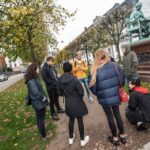
Your guide will be wearing a distinctive hat or cap. If the visitor service is open, you’ll meet inside; if it’s closed, you’ll find the guide just outside. This kind of “look for the hat” setup is underrated, because it prevents that 10-minute wandering panic.
You’ll also see a listed start location as Vesterbrogade 4B. In practice, that lines up with the same general area, so I’d treat it as a confirmation cue: your start is around the visitor service/Tivoli zone.
The route in plain English: how the 3.5 hours flow
This is a 3.5-hour walking tour, with the exact starting time depending on availability. The itinerary is structured to mix passing views (you keep moving) with slower stops where the guide talks and you can look properly.
The route works best if you go in with one goal: learn the logic of the city. If you try to “do everything” as a sightseeing sprint, you’ll miss the connections the guide is making. Think of it as a guided storyline where each stop adds a chapter.
The walking is spread across central Copenhagen. You’re not trekking across town, but you should still expect steady movement through key districts and landmarks. Plan for weather too—bring a layer, because Denmark can switch moods.
Tivoli Gardens to Copenhagen City Hall: the civic core of the city

You begin with a pass by Tivoli Gardens. Even if you don’t stop inside, it’s a smart first visual anchor because it immediately puts you in the Copenhagen rhythm—tourism, culture, and a sense of place.
Then you head toward Copenhagen City Hall for sightseeing. City Hall is the kind of landmark that makes the city feel organized, even ceremonial. This is where the guide can explain how civic life ties into Danish planning and public priorities, so it’s a good moment to listen closely rather than just snap photos.
What I like here: the tour doesn’t dump you into details too fast. The pacing gives you a chance to adjust to the guide’s French, and you start building mental landmarks before the walk gets more scenic.
Christiansborg Palace and the Stock Exchange: power and policy in the same walk
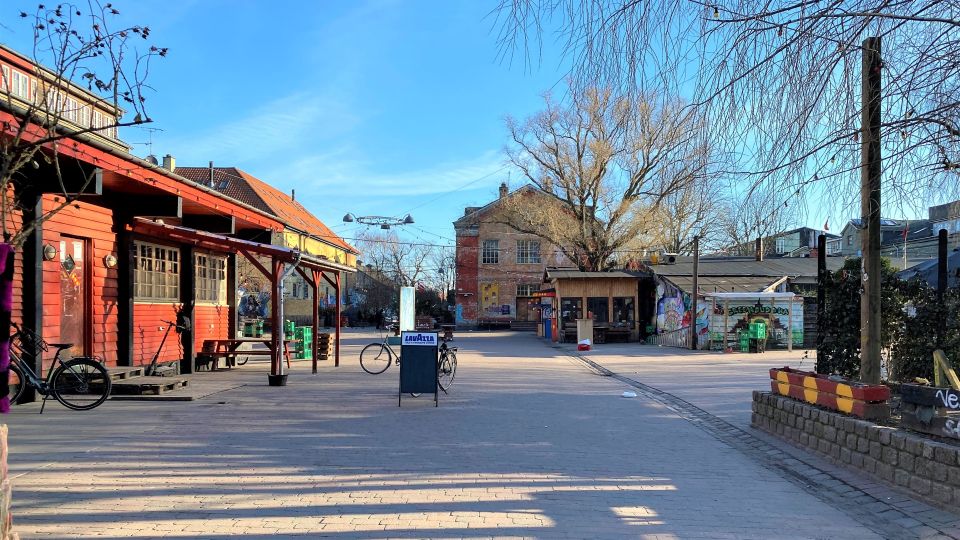
Next up is Christiansborg Palace, with time to walk through the area and take it in. This stop tends to be compelling because it connects architecture to governance. You’ll get more meaning from it if you listen for what the guide says about how institutions shape the city.
After that, you reach the Copenhagen Stock Exchange for sightseeing. Even without a long stop, it’s an interesting contrast next to political/civic spaces. The guide’s framing here matters: it’s not only buildings, it’s what those buildings represent in Copenhagen’s daily life and urban direction.
A practical tip: if you’re the type who reads all the plaques, save some energy. This tour is timed for a smooth narrative, so the best “value” comes from letting the guide’s connections do the work.
You can also read our reviews of more guided tours in Copenhagen





Holmen Church and King’s New Square: classic Copenhagen, calmer views
You’ll visit Church of Holmen for sightseeing. Stops like this are useful because they add texture to the route. Rather than only major tourist magnets, this is a chance to see how Copenhagen balances landmark identity with everyday street presence.
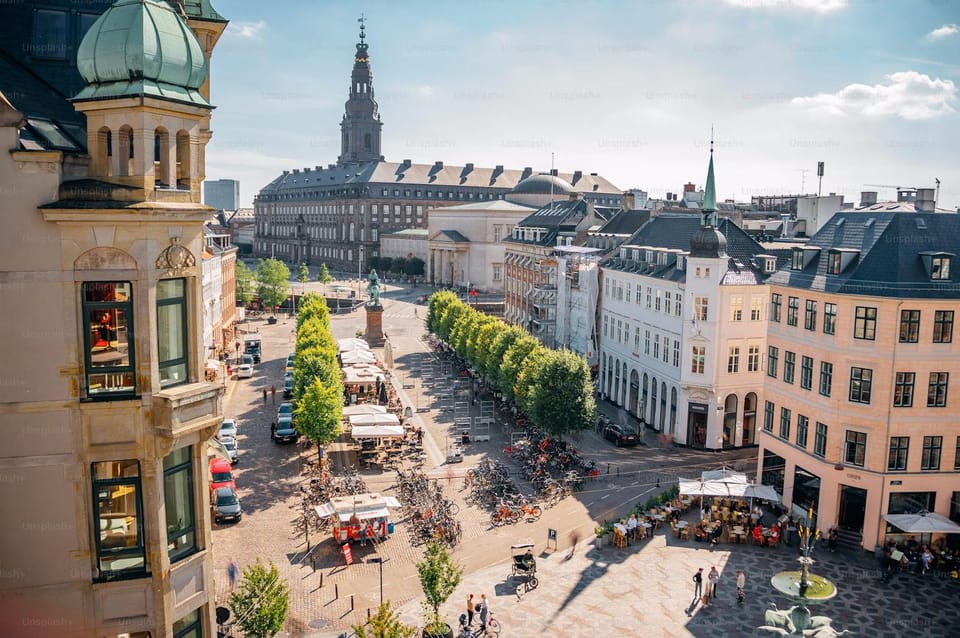
Then you pass by King’s New Square. Passing stops can feel like filler on other tours, but here it likely works as a transition point. It helps you move between areas without losing momentum, while still giving you quick context and views.
If you want the highest payback from this part, pay attention to what the guide emphasizes—especially any talk about modern urban ideas and how social life fits into the city layout.
Nyhavn on foot: the stop that usually wins hearts
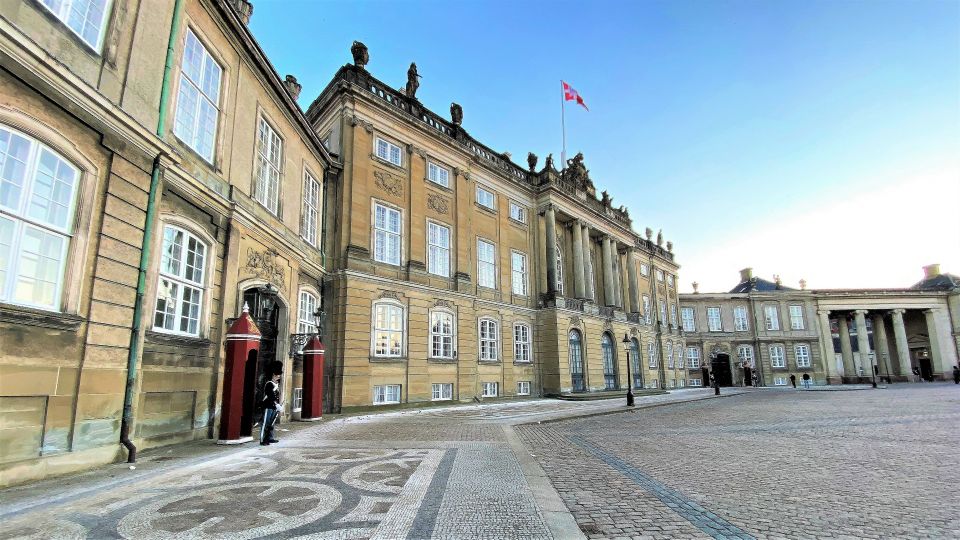
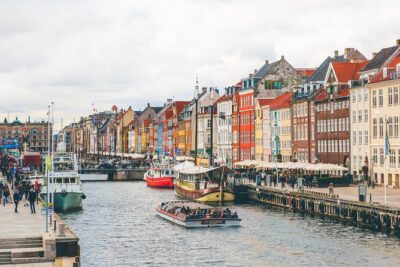
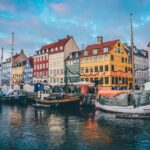
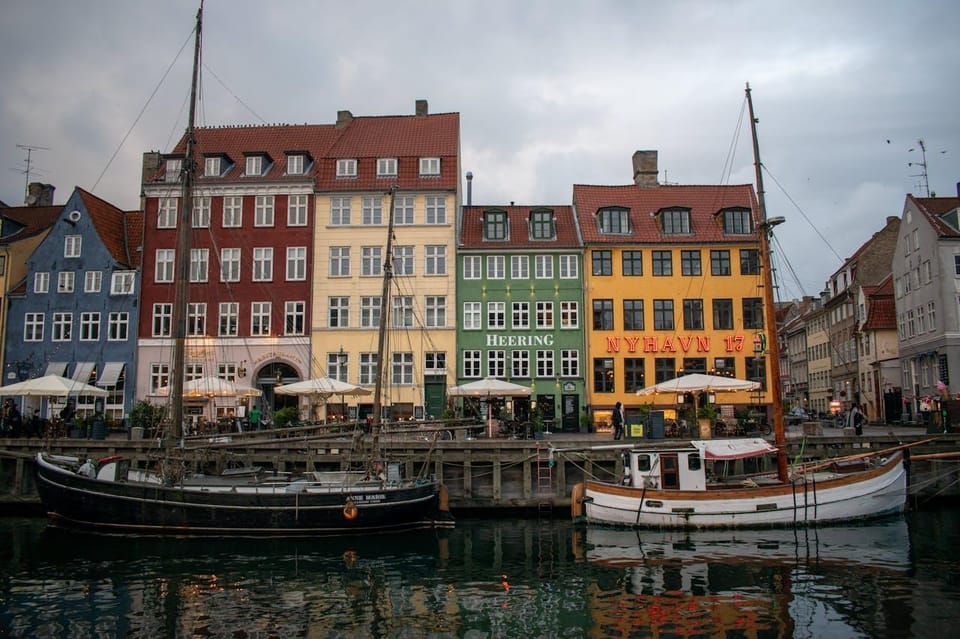
The route then brings you to Nyhavn, and this is one of the walk segments where you slow down. Nyhavn is famous for a reason: it’s one of Copenhagen’s most recognizable waterfront scenes, and seeing it as part of a guided story makes it more than a postcard.
Here, you’ll get the most value from taking in the atmosphere: the street edges, the water-facing views, and the way the area feels like a “place” rather than a “location.” The guide’s context around daily Danish living can also make the scene click, because you’re hearing how Copenhageners relate to public spaces.
If you’re traveling with kids or teens (and especially if you’re using the discounted pricing), Nyhavn is often the moment where everyone can agree they’re seeing something real and memorable.
The Playhouse and Amalienborg: art, culture, and the royal neighborhood feel
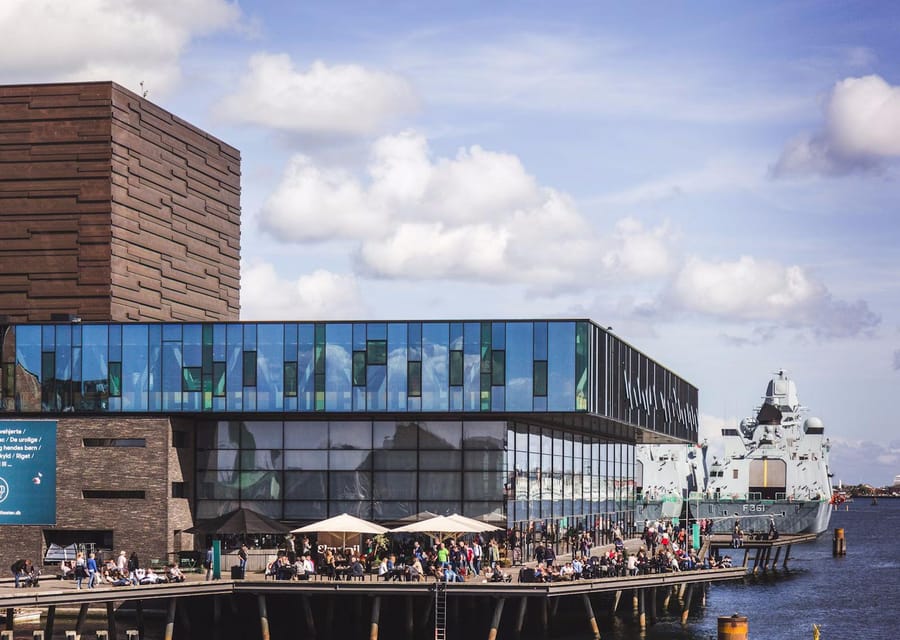
After Nyhavn, you’ll see The Playhouse, Copenhagen for sightseeing. Cultural landmarks can be tricky on walking tours because guides sometimes treat them like signage. On this route, the tour’s broader focus on social and urban developments gives it more weight than a quick exterior look.
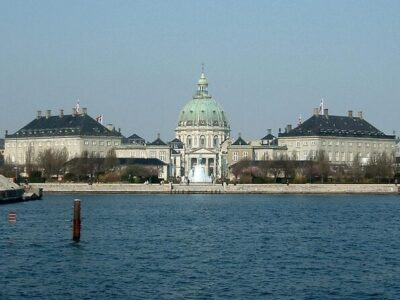
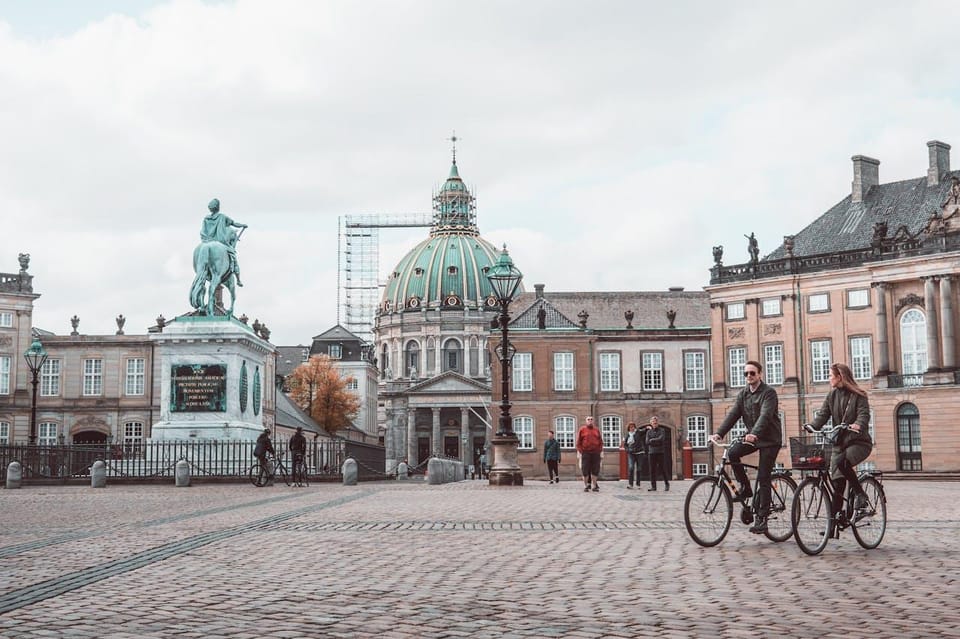
Then it’s Amalienborg Palace for sightseeing. This part helps you understand Copenhagen’s identity as both historic and active. You’re not just looking at old stone—you’re seeing how major historic areas remain central to the city’s public image.
A quick reality check: palace areas are often surrounded by open space and sightlines, which can be great for photos but can also feel windy. Dress accordingly.
Gefion Fountain, Kastellet, and the Iver Huitfeldt Memorial finish
You’ll stop at Gefion Fountain for sightseeing. This is a visually satisfying way to keep the route interesting without it turning into pure “royal/official” scenery. It gives you a different kind of focal point—more symbolic, more playful.
Next is Kastellet, Copenhagen for sightseeing. Kastellet is a major open-area stop where the guide can tie planning, structure, and urban form into what you’re seeing around you. This is one of the segments where the “city logic” theme really matters.
The tour then finishes at the Iver Huitfeldt Memorial. While the route ends there as the tour’s wrap-up point, the activity also states that it ends back at the meeting point area. In practice, that means you’re not stranded; you’ll return to the same central area so you can continue the day easily.
Why the $67 price feels fair for this format
At $67 per person for about 3.5 hours, you’re paying for two things: a guided storyline and a small-group pace. You’re not paying for a ticketed attraction inside Tivoli or a museum. Most of the value is in the guide’s explanations and how efficiently the route stitches together multiple districts.
The small group matters here. In a big group, you’d spend half the time trying to see over shoulders or waiting to hear the guide. With a max of 14, you’re more likely to catch the details that turn “I saw this place” into “I understood why this place matters.”
Also, the guide language is French-only. That’s a cost/benefit tradeoff: if you speak French, you’ll likely feel you’re getting more out of your time. If French isn’t your comfort zone, you may find the tour less rewarding than a bilingual option—so be honest with yourself before booking.
Who this tour is best for (and who might skip it)
This is a strong match for you if you:
- Want Copenhagen explained in French (and like hearing history framed through language)
- Prefer walking tours with context, not only rapid sightseeing
- Like a route that covers both classic landmarks and modern/city-development themes
- Appreciate small groups and a guide who can manage questions without rushing
It may not be ideal if you:
- Need tours in English (or another language)
- Get uncomfortable with sustained walking over 3.5 hours
- Want lots of long, seated breaks (this is built for movement)
The guide factor: why Hamid’s name keeps coming up
One of the most praised elements is how the guide connects historical sights with how Denmark works today. Hamid is specifically mentioned as strong on both the city’s history and the overall organization of life in Denmark, plus being friendly and genuinely easy to follow.
That blend is exactly what you want on a tour like this. Copenhagen can be easy to admire and harder to interpret. When a guide can explain both the past and the present, your photos come with meaning.
Should you book this Copenhagen French walking tour?
Book it if you want a small-group, French-led walk that connects landmarks to how Copenhageners live now, not just what the buildings are called. The route makes sense for first-timers who want a guided orientation, and it also works for repeat visitors who want a fresh interpretation of familiar places.
Skip it only if French-only is a deal-breaker for you or if you know you struggle with steady walking. If that’s you, you’ll likely prefer a language option that matches your comfort level.
FAQ
What language is the tour conducted in?
The tour is conducted exclusively in French with a live guide.
How long is the Copenhagen walking tour?
It lasts about 3.5 hours.
How many people are in the group?
The tour is limited to a maximum of 14 participants.
Where is the meeting point?
You meet at the Copenhagen Visitor Service in the Axelborg building, directly across from Tivoli Gardens’ main entrance. Your guide will be wearing a distinctive hat or cap.
Is the tour wheelchair accessible?
Yes, the activity is wheelchair accessible.
Do children or teenagers get special pricing?
Yes. Children under 13 can join free of charge, and teenagers get a 40% discount on regular prices.
What is the cancellation policy?
You can cancel up to 24 hours in advance for a full refund.