REVIEW · COPENHAGEN
Copenhagen: Guided Bike Tour in French
Book on GetYourGuide →Operated by Mercure · Bookable on GetYourGuide
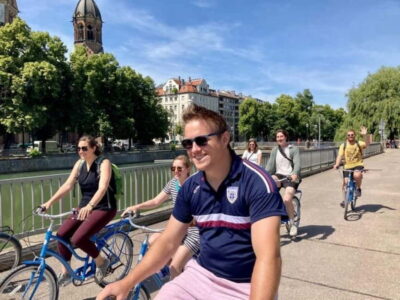
Copenhagen by bike, in French, makes sense. You’ll get Denmark’s social welfare model explained as you ride, plus a close look at newer cycling infrastructure like the bike bridges. I also like how the route mixes big-name landmarks with the story-heavy feel of Copenhagen’s neighborhoods. The only real catch: the tour doesn’t supply bikes or helmets, so you need to bring your own (or rent one) and already feel comfortable cycling in traffic.
What makes this tour worth your time is the way the guide connects architecture, city planning, and politics to what you’re seeing right now. You’ll also appreciate the small group limit of 10, which keeps the pace friendly and the conversation practical. If you’re new to biking or don’t have your own setup yet, plan extra time for a good bike fit—otherwise the first portion can feel more stressful than it needs to be.
In This Review
- Key things to know before you pedal
- Meeting Copenhagen at Vesterbrogade 4B with a French Guide
- Bike Setup: Renting in Copenhagen and Why They Don’t Provide One
- The Welfare-State Lens: What You Learn as You Pedal
- Copenhagen City Hall and the Civic Core: More Than a Pretty Facade
- Stock Exchange to Christiania: Big Institutions, Alternative Identity
- Church of Our Saviour and the City’s Architecture Story
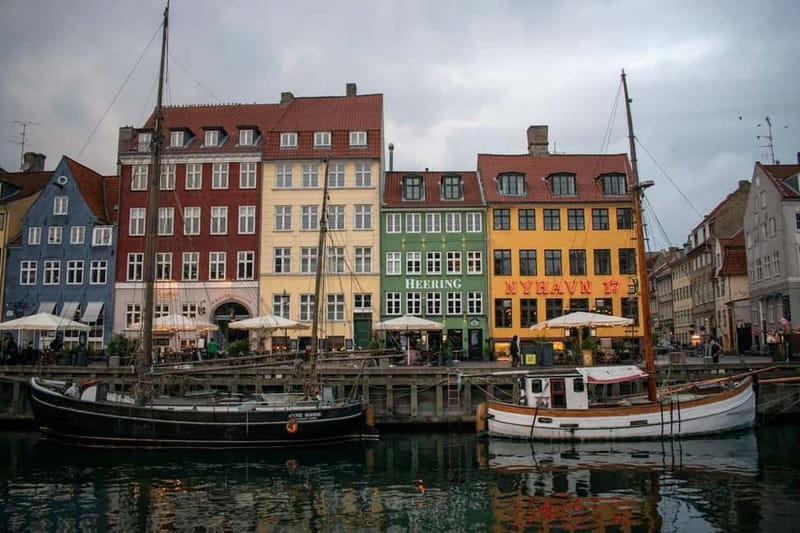
- Nyhavn and King’s New Square: Iconic Views Without the Crowds-Only Feeling
- Amalienborg Palace, Gefion Fountain, and the Little Mermaid Roll-by
- Rosenborg Castle and the Round Tower Finish
- Price, Duration, and When This Tour Really Delivers Value
- Who Should Book This Copenhagen French Bike Tour
- Should You Book This Copenhagen French Bike Tour?
- FAQ
- FAQ
- How long is the Copenhagen guided bike tour in French?
- What language is the tour guide?
- How big is the group?
- Does the tour include a bike or helmet?
- Can I rent a bike in Copenhagen?
- Where does the tour start?
- Where does the tour finish?
- Is cycling experience required?
- Is there a discount for teens?
Key things to know before you pedal
- French live guide that turns streets into lessons you can remember
- Small group (max 10) so you’re not stuck shouting over a crowd
- You ride your own bike (rent daily from local shops; helmets recommended)
- Recent bicycle bridges are part of the route, not a side note
- Christiania and major landmarks share the same ride, with context at each stop
- Teenagers get a half-price discount, which can make this a standout family value
Meeting Copenhagen at Vesterbrogade 4B with a French Guide
The ride starts at Vesterbrogade 4B, right in the area near the Copenhagen Visitor Service in the Axelborg building. It’s also close to Tivoli Gardens and the SAS Skyscraper, which makes it easier to orient yourself before you even roll. Your guide will be wearing a hat or cap, so you’re not left guessing who’s with the group.
Copenhagen is flat, but that doesn’t mean it’s effortless. I like that this tour’s meeting point is central, because you spend less time “getting there” and more time actually learning the city. And since the guide speaks French, you’ll get smoother explanations if you’re comfortable following along without needing constant repetition.
You can also read our reviews of more cycling tours in Copenhagen
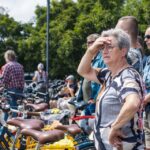
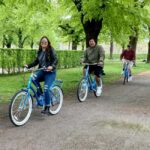
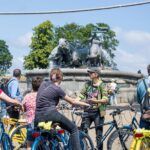
Bike Setup: Renting in Copenhagen and Why They Don’t Provide One
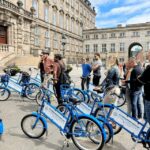
The tour includes the guide and the bike tour, but it does not provide bicycles or helmets. If you don’t have a bike already, you’ll need to rent locally. Local shops rent bikes daily starting at €12, and you should be able to find different sizes for a comfortable fit.
Here’s why skipping bikes can actually be good for you. When you rent yourself, you choose something that matches your body and riding style. That matters because a bike that’s too small or too tall can turn a “fun 4 hours” into an uncomfortable slog. You’re also likely to spend less time dealing with adjustments before you get going.
Also, biking gives the group flexibility with the route. If you’re riding your own setup, it’s easier to move where the guide wants to go and keep the flow of the story going. And since the tour operator isn’t managing a fleet of bikes, your experience is more about the route and the commentary than about waiting for a handoff.
Practical tip: bring or use cycling experience. The tour notes that you need to be comfortable riding, and it also recommends helmets even if they’re not provided. If you’ve never ridden in bike lanes or mixed traffic, practice for a short time beforehand.
The Welfare-State Lens: What You Learn as You Pedal
This isn’t just a sightseeing loop. The guide frames Copenhagen through how the city thinks and functions—especially the Danish social welfare model. In plain terms, you’ll be looking at public space, civic institutions, and urban choices not as random buildings, but as parts of a system designed to serve people.
That approach is one of the most praised parts of the experience. People rate the tour extremely high, and the strongest comments point to the guide’s ability to explain Denmark in a wide way—history, social life, politics, geography, and even economic angles—over more than 4 hours. If you like learning that connects to what you see outside the window, this tour fits that taste.
You’ll also hear about urban evolution, meaning how Copenhagen grew into a city that supports cycling and public life. That’s not abstract. When you’re riding over the city’s recent bicycle bridges, the message becomes physical: the city invests in safe, connected routes for everyday movement.
Copenhagen City Hall and the Civic Core: More Than a Pretty Facade
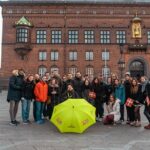
One of the early stops is Copenhagen City Hall, where you’ll get sightseeing time. Even if you’ve seen photos, I find it helps to understand what a place like this represents in daily city life. City Hall is civic power made visible, and on a bike tour you can look at it from multiple angles without “walking up and down” for a long time.
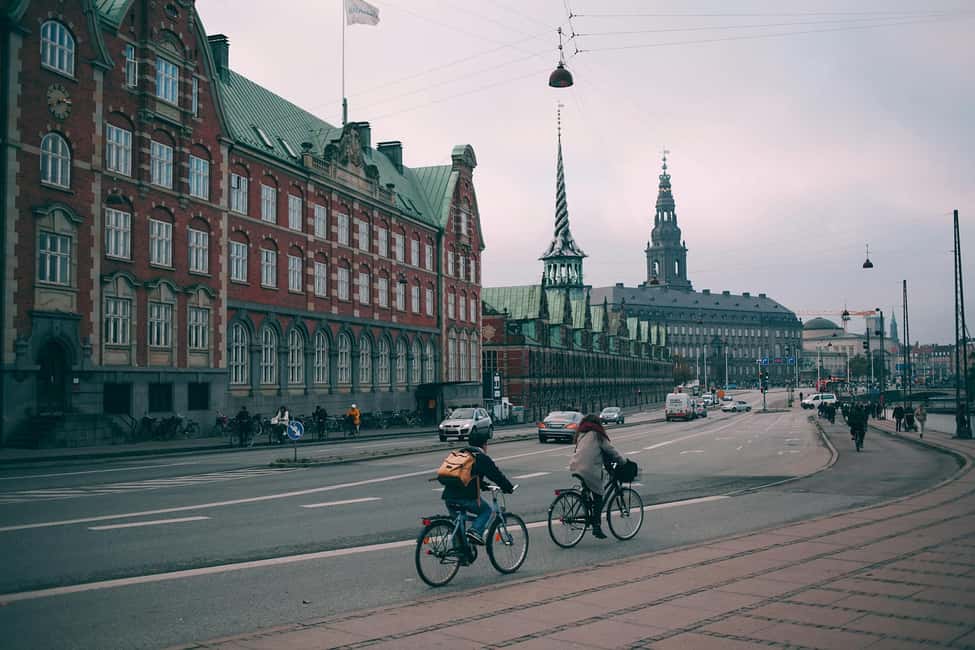
Right after that, you pass by Christiansborg Palace. It’s the kind of landmark that gives you instant context for how governance is embedded in the city’s physical layout. From a bike seat, you also notice details faster than you would on foot—how buildings relate to streets, and how the city organizes movement around public institutions.
Stock Exchange to Christiania: Big Institutions, Alternative Identity
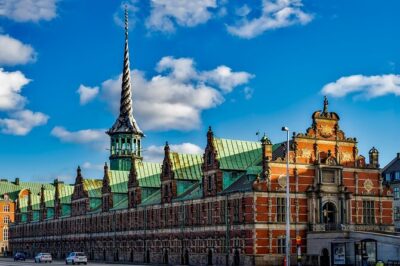
Next you’ll reach the Copenhagen Stock Exchange area for sightseeing. This is where the city’s economic side starts showing through the bike route. The contrast is useful. You can compare the civic messaging of City Hall with the financial energy of the Stock Exchange, then—without needing to switch locations—shift toward the city’s alternative culture.
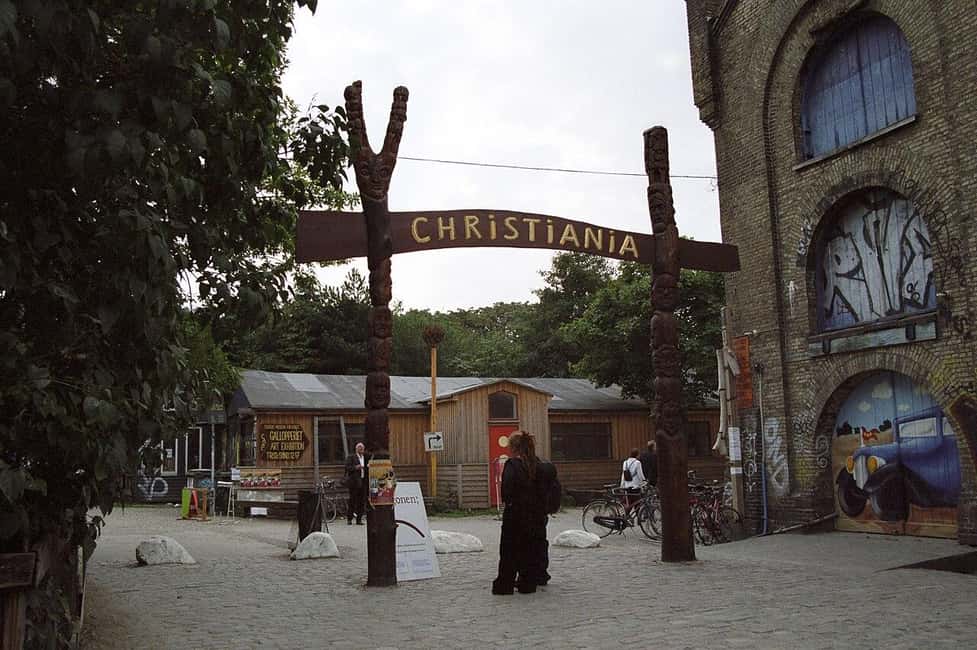
Then comes Freetown Christiania, which you pass by. Christiania is known for its autonomous neighborhood identity and for colorful street art and an alternative lifestyle. Even if you only see it from the road, the guide’s framing matters. Instead of treating it like a fun detour, you’ll understand it as part of Copenhagen’s broader conversation about community, rules, and how different groups shape city life.
This stop can be a highlight if you like cities with more than one personality. But it also means the tour expects you to ride confidently and stay focused while moving through lively zones.
You can also read our reviews of more guided tours in Copenhagen

Church of Our Saviour and the City’s Architecture Story
You’ll stop at the Church of Our Saviour for sightseeing. Churches are often just “landmarks” on a tour, but this one is a good anchor for an architecture story—because it gives the guide something tangible to point at when explaining how Copenhagen’s built environment carries meaning.
From a practical standpoint, it also breaks up the ride nicely. A bike tour can feel like “one long motion” unless there’s a moment to park the bike, look around, and let the city land in your brain. That pause helps, especially when the guide is talking in detail.
Nyhavn and King’s New Square: Iconic Views Without the Crowds-Only Feeling
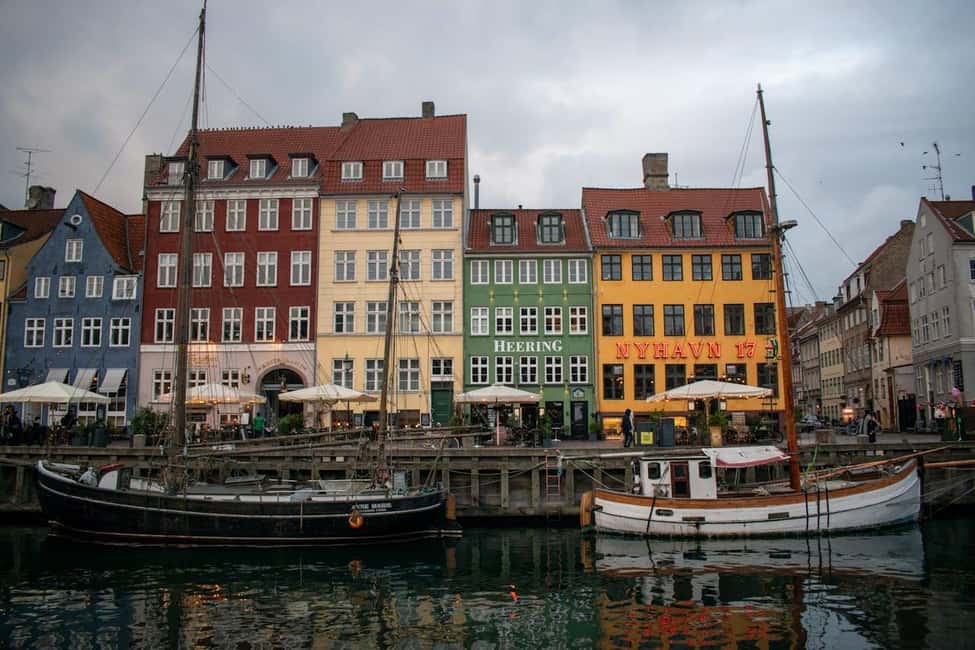
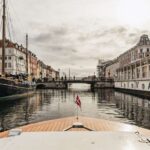
You’ll pass by Nyhavn. This is one of those places people come for on their own, so it can be busy. On a guided bike, the advantage is context: you get the quick orientation, learn what matters, and then you move on before you spend the entire time stuck in the crowd rhythm.
You’ll also pass by King’s New Square. This is a good place to notice the way Copenhagen handles open space and pedestrian flow even while you’re on a bike. It’s less about a single photo spot and more about how the city “sets up” a public area.
If you like your photos, you’ll likely still stop mentally and snap a few pictures when the moment is right. But the bigger win is that you keep moving and the guide keeps telling the city story.
Amalienborg Palace, Gefion Fountain, and the Little Mermaid Roll-by
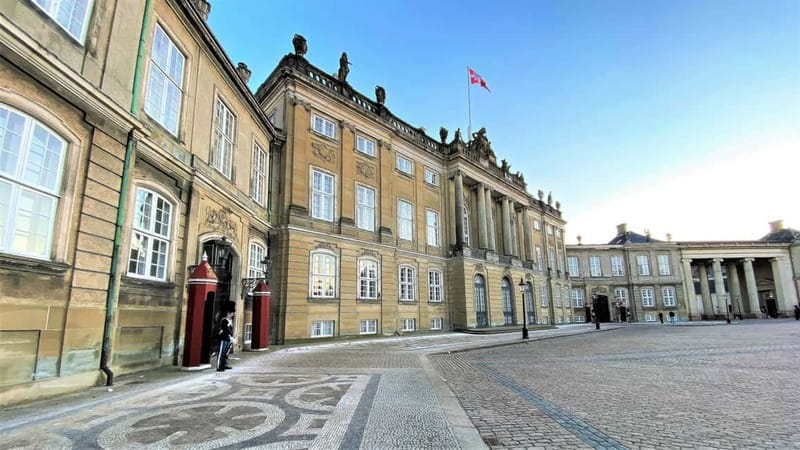
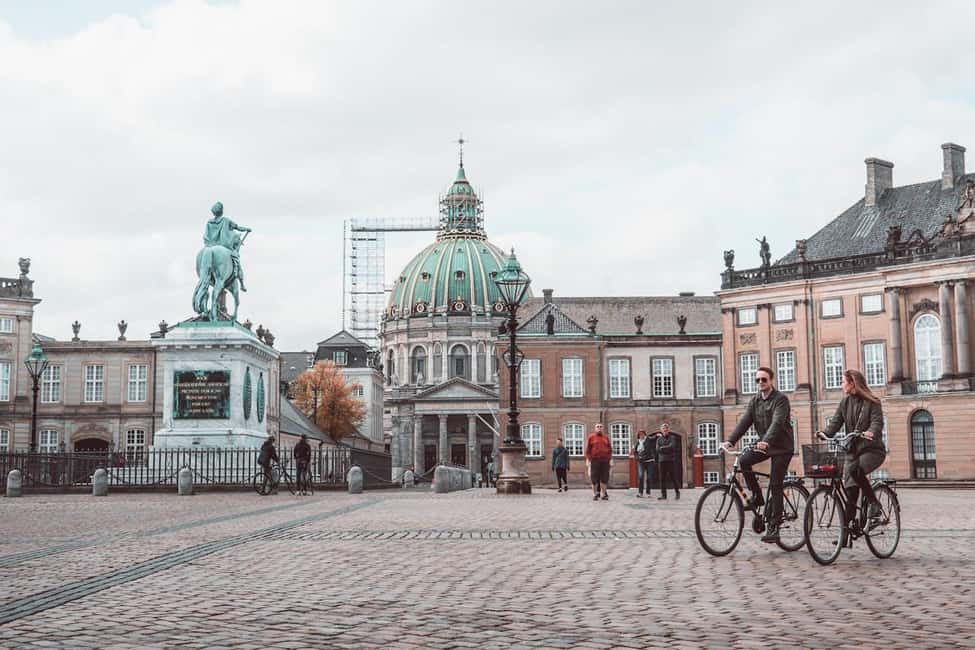
Next you’ll reach Amalienborg Palace for sightseeing. Palaces can easily turn into “look, it’s grand” on tours. Here, you’ll get more value by tying it to what the guide is explaining about Denmark and how public identity shows up in architecture.
Then you pass by the Gefion Fountain and the Little Mermaid statue. These are Copenhagen’s name-brand stops, and on a bike tour you get them without turning the day into a slow line of waiting. The tradeoff is that you’re not lingering forever at each icon, but that’s part of the deal: you’re trading extra standing time for a fuller loop.
This is also where I think the French language tour format helps. If you stay engaged and catch the guide’s commentary, these roll-by sights become more than postcard icons. They become part of the civic and cultural narrative.
Rosenborg Castle and the Round Tower Finish
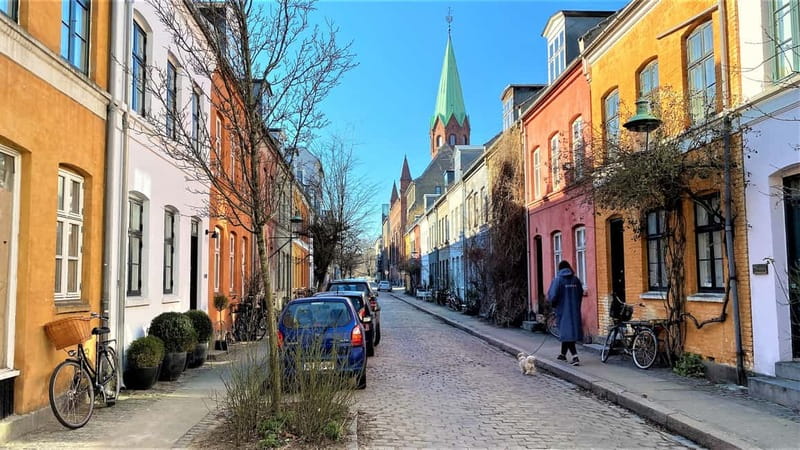
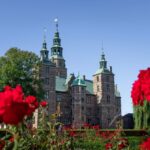
You’ll have Rosenborg Castle for sightseeing. Castles work well on bike tours because the outside looks dramatic while you’re moving through the surrounding streets. You can also see how the castle sits within the city rather than as a standalone attraction.
The tour finishes at the Round Tower. That’s a classic Copenhagen anchor, and it’s a fitting place to end a ride that mixes governance, economy, culture, and urban planning. Expect the group wrap-up to leave you back near the start area after the final city focus, so you’re not stranded across town with no plan.
If you want a little bonus flexibility after the tour, having your own bike setup matters. The tour format is designed so you can continue on your own afterward, instead of being locked into one exact end point.
Price, Duration, and When This Tour Really Delivers Value
At around $51 per person for a 4-hour ride, you’re paying for a lot more than “someone pointing at buildings.” You’re paying for a French live guide, a loop of major landmarks plus Christiania, and the benefit of having the city’s planning and politics explained while you’re actually moving through the streets.
The small-group cap of 10 participants is a real value booster. In a bigger group, guides have to keep answers short. Here, you’re more likely to get the level of explanation that made the best reviews stand out—especially the guide’s ability to cover Denmark from multiple angles over more than four hours.
It also helps that there’s a teen half-price discount, which can make this a smart choice for families who already bike.
That said, the price only makes sense if you’re ready on the cycling side. Since bikes and helmets aren’t included, factor in your rental cost and time. Bikes start at €12 per day at local shops, but the real cost is your planning effort—finding a good size and getting comfortable quickly. If you’re not sure you can do that, you may feel the value drop even if the tour itself is excellent.
Who Should Book This Copenhagen French Bike Tour
This tour is a great match if:
- You can cycle comfortably for about 4 hours and want a guided experience instead of a self-guided ride.
- You’d like your Copenhagen sightseeing to connect to social systems and city planning, not just photos.
- You prefer a small group and you’re comfortable following a French-language guide.
It’s less ideal if:
- You’re not confident biking in an urban setting yet.
- You need the tour to supply everything for you (bike and helmet aren’t part of the package).
- You want a super slow pace with long stops at every photo spot.
If you’re the kind of traveler who enjoys cities as systems—how people live, move, and organize public space—this is a strong way to spend half a day.
Should You Book This Copenhagen French Bike Tour?
Yes, if you’re ready to ride and you want a guide who tells you why Copenhagen looks the way it does. The best parts here are the guide’s broad explanations and the way the ride ties together big civic landmarks, alternative neighborhood culture like Christiania, and practical cycling infrastructure like the new bike bridges.
Don’t book if you’re still sorting out your bike setup or if you expect the tour to handle gear. The tour is built around your own bicycle and your comfort on it. If that’s covered, you’ll get a smart, well-paced loop that teaches you more than you’d learn from a quick stop-by-stop walk.
FAQ
FAQ
How long is the Copenhagen guided bike tour in French?
It lasts about 4 hours, and you can check availability to see the starting times.
What language is the tour guide?
The live tour guide speaks French.
How big is the group?
The group is small, limited to 10 participants.
Does the tour include a bike or helmet?
No. Bikes and helmets are not provided by the tour. Helmet use is recommended.
Can I rent a bike in Copenhagen?
Yes. Several local shops rent bikes daily starting at €12, with different sizes available.
Where does the tour start?
Meet in front of the Copenhagen Visitor Service located in the Axelborg building, near the main entrance of Tivoli Garden and the SAS Skyscraper.
Where does the tour finish?
The route finishes at the Round Tower, and the activity ends back at the meeting point.
Is cycling experience required?
Yes. The tour notes that this requires cycling experience and your own bike, with rentals available nearby.
Is there a discount for teens?
Yes. Teenagers enjoy a half-price discount.