REVIEW · COPENHAGEN
Copenhagen Card – DISCOVER 80+ attractions and public transport
Book on Viator →Operated by Wonderful Copenhagen · Bookable on Viator
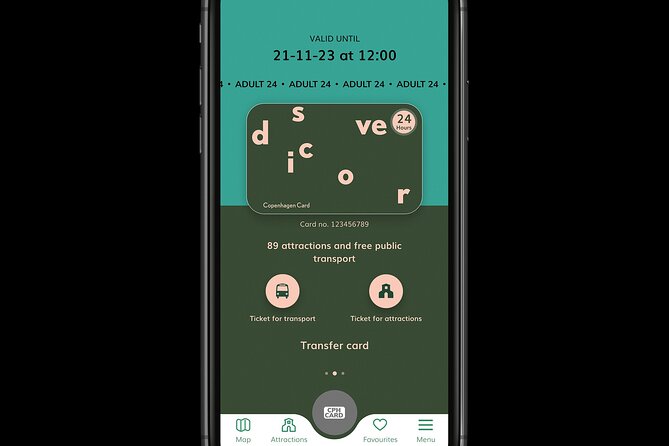
One card, dozens of Copenhagen wins. The Copenhagen Card Discover is a digital pass that bundles free entry to major sights plus buses, trains, and Metro across the region. Pick 24, 48, 72, 96, or 120 hours, then redeem the barcode in the Copenhagen Card app and let the clock run from your first use.
I like how fast it turns sightseeing into simple math: paid attractions become included ones, and transport stops being a separate budget item. I also like the mix of stops, from royal palaces like Amalienborg and Rosenborg Castle to hands-on places like Experimentarium and the science-heavy Medicinsk Museion.
The main drawback is that value depends on your timing. Many included sites have set opening hours, some require advance booking (like climbing the church tower or reserving Home of Carlsberg), and the pass is digital and personal, so you need your phone ready.
In This Review
- Key highlights to know before you go
- Copenhagen Card in real life: digital entry and the time window
- Price and value: when $95.96 actually pays off
- Using public transport with less guesswork (and fewer mistakes)
- Where the card feels strongest: chaining sightseeing by theme
- Royal Copenhagen: Rosenborg, Amalienborg, and Christiansborg
- The canal and waterways: Stromma Canal Tours plus city landmarks
- Churches with a view: Our Saviour’s Church
- Art classics and Danish favorites: Glyptotek, SMK, and design museums
- Contemporary art you can actually walk into: Copenhagen Contemporary and art halls
- Family-friendly and hands-on included wins
- Day trips north and beyond: Kronborg, Frederiksborg, Louisiana, Roskilde
- Kronborg and Hamlet country
- Frederiksborg: history in a bigger frame
- Louisiana: art, architecture, and the Sound
- Roskilde: Vikings and royal burial history
- Quirky museums and unusual Copenhagen: from submarines to pop culture
- Specific included stops worth planning around (and why)
- Must-visit central culture: Museum of Copenhagen, Thorvaldsen, and architecture/design
- Waterfront and naval oddities: ships on Holmen and the Sælen submarine
- Art in the neighborhoods: Ordrupgaard and Hirschsprung Collection
- Big itinerary coverage: how to fit 80+ included sites into 1–5 days
- Who should book the Copenhagen Card
- Should you book it? My practical call
- FAQ
- How do I redeem the Copenhagen Card?
- How long is the Copenhagen Card valid?
- Is the card physical or digital?
- Do I need to book ahead for any included attractions?
- What transport does the card cover?
- Can I bring children for free?
Key highlights to know before you go

- Your time window starts at first use: plan your first tap/scan wisely.
- Free transport across the region: use buses, trains, and Metro instead of rationing rides.
- Royal palaces and classic museums: Rosenborg, Amalienborg, Christiansborg, SMK, and more.
- Big Denmark “day-trip energy”: Kronborg, Frederiksborg, Louisiana, Roskilde, and more can fit if you pace yourself.
- Science, design, and contemporary art included: Experimentarium, Designmuseum Danmark, Copenhagen Contemporary, and several art centers.
- A few timed extras need prep: tower climb at Our Saviour’s and pre-booking for Home of Carlsberg.
Copenhagen Card in real life: digital entry and the time window
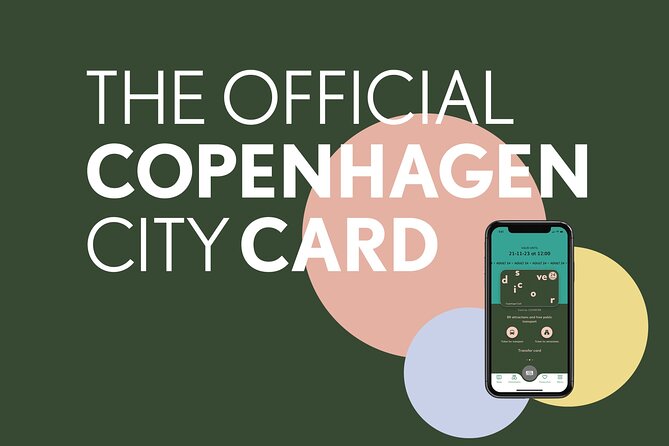
This card is built for people who want to see a lot without ticket lines and constant cash math. You choose your duration (24 to 120 hours) and, once booked, you redeem it through the Copenhagen Card app by entering your barcode number. The key detail: it’s valid for the stated number of hours from the time you first use it, not from when you arrive.
That timing matters more than you might think. If you start the clock at the airport at noon, you’ll feel it when you’re trying to fit in a far-north stop later. If you start it in central Copenhagen when you’re ready to hit the first attraction or transit ride, you’ll feel the pass working like a charm.
You can also read our reviews of more tours and experiences in Copenhagen.


Price and value: when $95.96 actually pays off
The listed price here is $95.96 per person, and in Copenhagen that’s not a casual buy. But the card is designed around a simple idea: if you’ll do several paid attractions plus lots of transit, the pass stops being a splurge and becomes a shortcut.
Here’s the way I’d estimate it for you:
- Start by making a shortlist of your must-dos from the included set.
- Add up how many of them are high-fee attractions for you (palaces, major museums, and big family draws).
- Then add how much transit you’ll use, especially if you’re bouncing between neighborhoods and doing any north-of-city day.
In the feedback attached to this card, people repeatedly point to the same pattern: it becomes a strong deal when you stack admissions and use transit often. One person even said they saved around $200 compared with buying everything separately, and another described saving by using the card right away on a multi-day plan.
If your plan is only one or two stops, the card can feel like you paid to support your own indecision. If your plan is “we want to hit several museums and ride the Metro without thinking,” then this is exactly what it’s for.
Using public transport with less guesswork (and fewer mistakes)

The Copenhagen Card includes free public transport on the city’s buses, trains, and Metro services. That’s the practical win: you can move with the flow of your day instead of deciding each ride based on cost.
One small thing to watch: Copenhagen uses different rail systems (including S-train and Metro), and the in-the-moment experience can vary depending on where you’re scanning or tapping. If you’re the type who hates even mild confusion, take 10 minutes before your first big ride to get oriented on which mode you’re using and how you’ll validate your card.
For you, the payoff is freedom: you can do a canal boat tour, hop to a castle, then swing back for an art museum without hunting for ticket counters or breaking your momentum.
Where the card feels strongest: chaining sightseeing by theme

Instead of trying to “do everything,” I recommend you build your days around themes. Copenhagen is made for this. The card makes theme-hopping easier because every hop can be free once you’re on the pass.
Royal Copenhagen: Rosenborg, Amalienborg, and Christiansborg
If you love court history and interiors, these are the big hitters on your included list:
- Rosenborg Castle: This is home of the Crown Jewels. It’s the kind of place that makes you slow down and look at details, even if you’re not a museum person.
- Amalienborg Palace Museum: You’ll see the recreated royal palace interiors. It’s a nice counterpart to Rosenborg, with a different feel and a different royal spotlight.
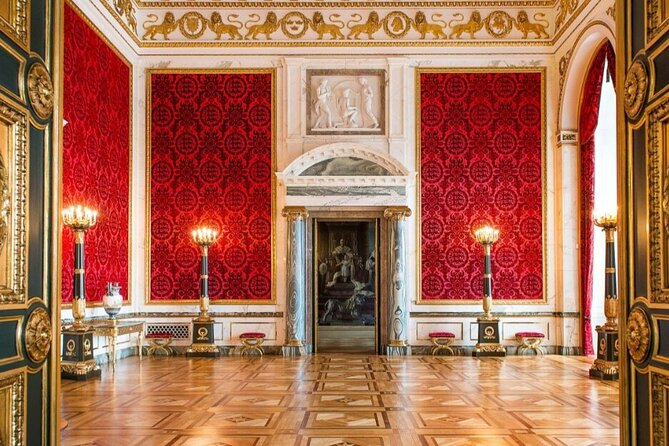
- Christiansborg Slot: The official seat of the Queen. This stop gives you that civic-power feeling you don’t always get from purely decorative palaces.
A practical note for you: these royal sites are easier to enjoy when you’re not rushing. If you schedule a late-day climb or a far day trip right after, you’ll feel it.



The canal and waterways: Stromma Canal Tours plus city landmarks
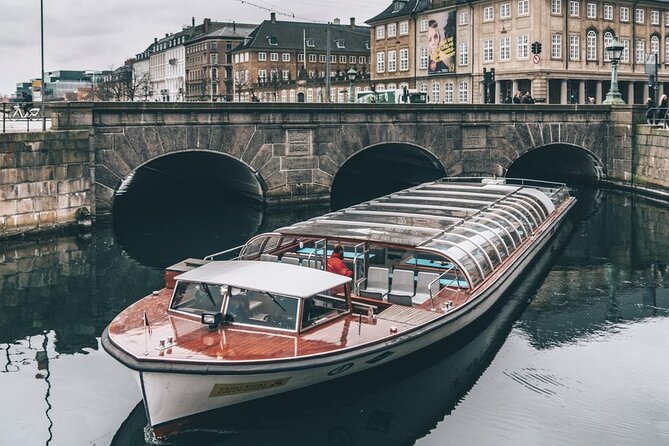
- Stromma Canal Tours: The original canal boat tour around Copenhagen. Even if you’re not a “boat person,” it’s a strong way to reset your perspective and understand the city’s layout.
Then you can pair it with nearby sights back in central Copenhagen, or use it as your midday activity when energy starts to wobble.
Churches with a view: Our Saviour’s Church
- Our Saviour’s Church: The church entrance is free, and it’s famous for its serpentine spire inaugurated in 1752. If you want to climb the 400 steps tower, you must book in advance.
This is one of the few places where I’d plan extra. If the climb is on your wish list, treat it like a timed activity, not a casual stop.
Art classics and Danish favorites: Glyptotek, SMK, and design museums
Copenhagen is an art city, and this card covers a wide range:
- Ny Carlsberg Glyptotek: Heavy on Ancient Egypt, Greece, Rome, Etruscan objects, plus Danish and French art from the 19th century. Great if you like museums that feel like a journey through time.
- National Gallery of Denmark (SMK): Denmark’s largest art museum, with collections from the past seven centuries. If you like switching between old masters and modern exhibitions, this is built for that rhythm.
- Designmuseum Danmark: A working archive of Danish design, with names like Arne Jacobsen and Poul Kjærholm, plus design across glass, ceramics, fashion, textiles, and posters.
A drawback to keep in mind: art museums vary a lot in what they’re showing at the time. The good news is the card gives you access, so you can move on if a gallery isn’t your vibe.
Contemporary art you can actually walk into: Copenhagen Contemporary and art halls
If you want something less traditional:
- Copenhagen Contemporary: In a former B&W welding hall, where installation art and large-format work can be entered and experienced in a physical way.
- Nikolaj Kunsthal: Contemporary art in a former church building, with changing exhibitions and events.
- Kunsthal Charlottenborg: A major contemporary art exhibition space with an international program and lots of related activities.
- Det Kgl. Bibliotek (The Royal Library / Black Diamond): Exhibitions tied to literature and photography, plus culture-themed displays year-round.
These are strong choices for you if you like modern work and don’t want to spend your whole trip only in palace rooms.
Family-friendly and hands-on included wins
The Copenhagen Card isn’t just castles. It has real “kids and adults get along” energy.
- Copenhagen Zoo: Over 4,000 animals across modern facilities. It’s a big time block, but it’s included.
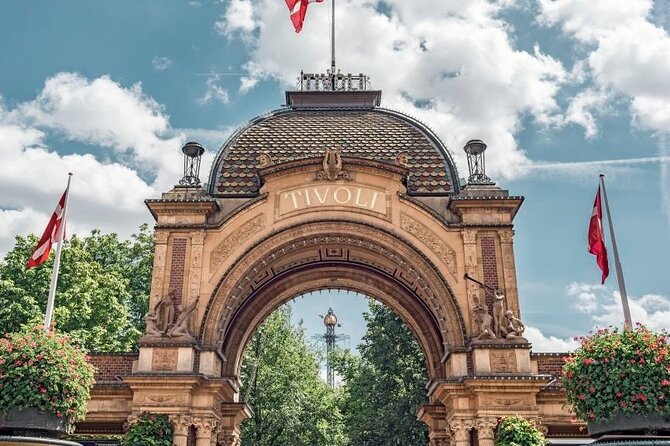
- Tivoli Gardens: One of the oldest amusement parks in Europe. Plan for weather and crowds the same way you would with any major park: be ready to adjust.
- Experimentarium: A hands-on science center where you jump right in. It’s perfect when you want learning that doesn’t feel like homework.
- Planetarium: You can visit exhibitions and watch one movie in the Dome. Great when the day needs a cozy indoor reset.
- Cisternerne: A subterranean water reservoir used as an art space. Short visit, odd and atmospheric, and it’s the kind of place you remember.
If you’re traveling with mixed ages, these stops are the glue. They also help you balance the heavier historical sites so you don’t burn out.
Day trips north and beyond: Kronborg, Frederiksborg, Louisiana, Roskilde
One of the biggest reasons the card can be great value is the included reach beyond central Copenhagen. You can build full days that would otherwise require expensive separate tickets.
Kronborg and Hamlet country
- Kronborg Slot: A Renaissance castle in Elsinore, built in 1574–1585, and famous worldwide as the setting for Shakespeare’s Hamlet. The card makes it simple to justify a trip north.
Frederiksborg: history in a bigger frame
- Frederiksborg Castle: A Renaissance fortress in Hillerød with the Museum of National History. It’s a strong stop if you like Danish history told through interiors and portraits.
Louisiana: art, architecture, and the Sound
- Louisiana Museum of Modern Art: About 40 km north in Humlebæk. What makes it special is the combination of modern art, a park setting, and panoramic views of the Sound. If you love art but also want scenery, this is one of the best “pay once, see a lot” buys.
Roskilde: Vikings and royal burial history
- Viking Ship Museum: In Roskilde, showing the five 1,000-year-old original ship finds (Skuldelev Ships) plus reconstructions. This is a rare museum where the story feels physical.
- Roskilde Domkirke: A UNESCO World Heritage cathedral with 40 kings and queens buried beneath decorated vaults and in dark crypts.
If you only have a couple days, you might not fit all of these. But the card makes it feasible to pick one big day-trip anchor and still have room for central-city stops afterward.
Quirky museums and unusual Copenhagen: from submarines to pop culture
These are the places that make Copenhagen feel human and slightly odd (in a good way).
- Ragnarock (Museet for pop, rock og ungdomskultur): History of rhythmic music from the 1950s to today.
- Museum of Natural History: Mineral halls, a huge meteorite you can touch, and changing exhibitions.
- Medicinsk Museion: Medical history through time, from antiquity to the genomic age, in historic Royal Academy for Surgeons buildings.
- Classic Car House: Rolling design history of 20th-century cars, with craftsmanship and innovation as the main theme.
- Casino Copenhagen: Denmark’s largest international casino, with a large set of games and slot machines.
- Museum of Danish Resistance: Go underground and experience World War II resistance stories in dark, occupation-era streets with five historical figures.
These are also great “second-tier” choices when your top museums are closed or when you need shorter stops.
Specific included stops worth planning around (and why)
A few sites have built-in friction. If you plan around them, they work well.
- Home of Carlsberg: You need to pre-book your visit, and your card must be active before booking so you can provide the card number.
- Our Saviour’s Church tower climb: Entrance is free, but climbing the tower requires advance booking.
- Planetarium: You can watch one movie in the Dome with the card, which can limit how you schedule your time if it’s popular.
Other stops are more straightforward, so you can treat them like flexible pieces in your day.
Must-visit central culture: Museum of Copenhagen, Thorvaldsen, and architecture/design
If you want to understand Copenhagen itself, not just its monuments:
- Museum of Copenhagen: A history intro behind City Hall, with an interactive model and exhibits that cover the Viking Age, city upheavals, and Christiania.
- Thorvaldsen’s Museum: Dedicated to sculptor Bertel Thorvaldsen, in a building that opened in 1848 as Denmark’s first public museum.
- Danish Architecture Center (DAC): Based in BLOX on the waterfront, with exhibitions and guided tours about Danish architecture and design.
- Copenhagen’s modern and creative waterfront connection shows up again with places like Ships on Holmen.
Waterfront and naval oddities: ships on Holmen and the Sælen submarine
For a break from paintings and palaces:
- The Ships on Holmen: Includes the frigate Peder Skram and the fast attack craft Sehested, with details about their propulsion and service roles.
- Sælen submarine: A diesel-electric submarine commissioned into the Royal Danish Navy in 1990, and noted as the only submarine to participate in hostilities.
These are excellent if you like engineering and objects with real-world stories, not just text panels.
Art in the neighborhoods: Ordrupgaard and Hirschsprung Collection
If you want a more relaxed museum pace:
- Ordrupgaard Art Museum: Just 10 km north, with major French Impressionism names like Monet and Degas, plus Danish art and special exhibitions.
- The Hirschsprung Collection: In Østre Anlæg park, with Danish Golden Age through Skagen painters and modern breakthrough works.
These can be a great counterbalance to the larger central museums, especially if your days are packed.
Big itinerary coverage: how to fit 80+ included sites into 1–5 days
The card name promises 80+ attractions, but your time is the real limit. Here’s the trap: you might feel obligated to sprint from stop to stop just because your entry is free. Don’t.
Pick your anchors, then add supporting stops:
- If you love history: Rosenborg + Amalienborg + Christiansborg, then choose one day trip (Kronborg or Louisiana).
- If you love art: SMK + Designmuseum Danmark + one contemporary art center like Copenhagen Contemporary.
- If you’re traveling with kids: Zoo + Tivoli + Experimentarium + a short science stop like the Planetarium.
- If you want variety: include a quirky museum like Ragnarock or Danish Resistance, then round it out with a classic site like the Glyptotek.
The card shines when you treat it like a menu, not a checklist.
Who should book the Copenhagen Card
This pass is a strong fit if you:
- Plan to visit multiple paid attractions (at least several major ones).
- Will use public transport often, not just once or twice.
- Want flexibility across art, history, science, and family activities.
- Like the convenience of having admission and transit handled in one place.
It may be less ideal if you have a very short stay and only want a couple top sights. In that case, you could end up paying for hours you don’t use.
Also, note the card is personal and non-refundable, and it’s digital. If your phone is out of commission, you’ll have a worse time than you’d want.
Should you book it? My practical call
If your trip is 2–3 days and you can see yourself hitting a cluster of major sites (royal palaces, big museums, and at least one or two “experience” stops like Tivoli or the canal tour), then yes, I’d book the Copenhagen Card. The review score attached here is strong (4.5 with 1,124 reviews, and 91% recommended), and the repeated theme is simple: it’s easy to use and it becomes real value fast when your plan matches the card’s range.
If your plan is mostly walking and one major museum, I’d pause. In expensive cities, “free” only pays off when you would have spent the money anyway.
FAQ
How do I redeem the Copenhagen Card?
You download the Copenhagen Card app and enter the barcode number to redeem it digitally. Your card is then active in the app for validation at transport and participating attractions.
How long is the Copenhagen Card valid?
You choose a pass length of 24, 48, 72, 96, or 120 hours. The validity starts when you first use the card, not when you arrive in Copenhagen.
Is the card physical or digital?
It’s 100% digital. There’s no physical card included.
Do I need to book ahead for any included attractions?
Yes. For example, climbing the tower at Our Saviour’s Church requires advance booking. Home of Carlsberg also requires pre-booking, and your card must already be active.
What transport does the card cover?
The card includes free public transport across the Copenhagen region, including buses, trains, and Metro services.
Can I bring children for free?
Each adult can bring 2 children ages 3–11 for free, but you need to add the free kids cards to your cart when purchasing your own card.
If you tell me your travel dates and how many days you’ll be in Copenhagen (and whether you’re doing any day trips like Kronborg or Louisiana), I can suggest a “card-friendly” plan that keeps your time window working for you.