REVIEW · COPENHAGEN
The Hunt For The Six Forgotten Giants
Book on Viator →Operated by Tours By Milad & Friends · Bookable on Viator
A half-day troll hunt just outside Copenhagen sounds goofy. And that is exactly why it works: you get a guided route to find Thomas Dambo’s Six Forgotten Giants—plus a small-group car plan that keeps things fun instead of frantic. I especially liked how the guide helps you spot each sculpture in its setting, not just walk past it.
You will do some walking at the giant sites, and the weather can swing fast. If you have mobility limits, this may not be the right fit because you’ll need to get in and out of the vehicle and move on foot for parts of the route.
In This Review
- Quick hits before you go
- Why this Six Giants hunt is such a great change of pace
- Price and value: $142.47 for private rides and guided stops
- Your day plan starts at Valdemarsgade, then heads out of the city
- The pacing secret: short walks, car hops, and a tea/coffee reset
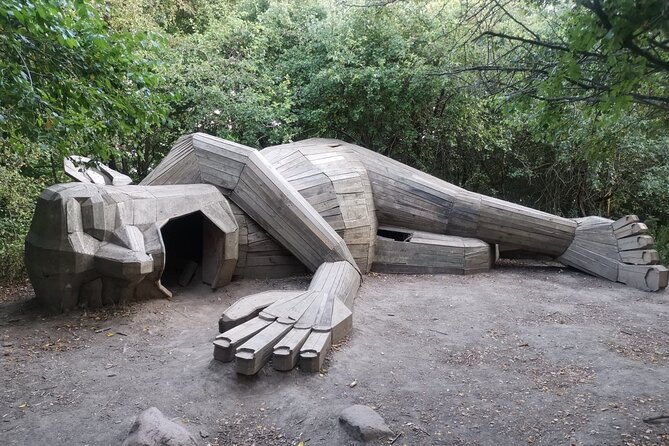
- Stop 1 in the list: Sleeping Louis, the easy photo opener
- Stop 2: Hilltop Trine and the payoff view
- Stop 3: Oscar Under The Bridge and the fun surprise factor
- Coffee break time: resetting before the big trio
- Stop 4: Thomas on the Mountain and the scale moment
- Stop 5: Little Tilde, the cutest giant for close-up attention
- Stop 6: Teddy Friendly, cuddly by design and great for laughs
- The art in context: how Thomas Dambo’s giants feel like real outdoors landmarks
- The guides you might meet: stories, pacing, and help with photos
- Walking and weather reality: what to pack so the day stays enjoyable
- Who should book this, and who should skip it
- Should you book The Hunt For The Six Forgotten Giants?
Quick hits before you go
- Six giants, one tight route: You’re aiming to find all of them in about four hours.
- Small group (max 6): More chatting, more chances for photos, less waiting around.
- Tea or coffee break: A scheduled reset in the middle of exploring.
- Comfortable private transportation: Car rides between stops keep the day from turning into an all-day hike.
- Weather-ready by default: Denmark’s layers-and-rain reality is part of the plan.
- English-speaking host: The whole experience is offered in English.
Why this Six Giants hunt is such a great change of pace
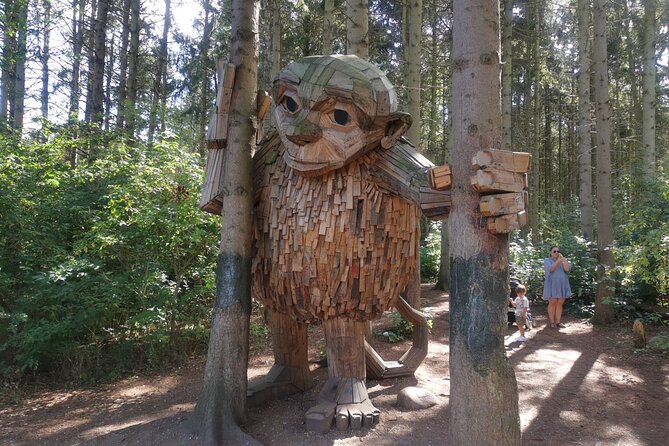
Copenhagen is great, but after a day in the city it can feel like you’re staring at pretty buildings for hours. This tour gives you a different flavor: public art you can actually approach, climb around, and laugh at. The giant sculptures are whimsical, but they’re placed thoughtfully in their surroundings, so the whole outing feels like a playful art scavenger quest.
What I like most is that you’re not left with a map and a vague hope. Your guide works as your translator for the art and the terrain—so you spend more time looking up close and less time trying to figure out where everyone else is standing.
You can also read our reviews of more tours and experiences in Copenhagen.

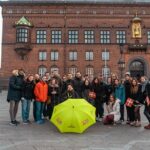
Price and value: $142.47 for private rides and guided stops
At $142.47 per person for about four hours, you’re paying for three things: guided routing, private transport, and tea or coffee. On paper, it can sound “high” for a half-day. In practice, it makes more sense because the tour is capped at 6 travelers, so you’re not paying a city-tour premium with a bus full of people.
Also, admission is listed as free, which helps keep the cost focused on the experience itself. And with private transportation included, you’re not spending your Copenhagen stamina on multiple transfers to far-apart sites.
Your day plan starts at Valdemarsgade, then heads out of the city
You meet at Valdemarsgade 15, 1665 København, Denmark. The meeting spot is near public transportation, which helps if you’re staying somewhere central and don’t want to fight for parking.
You start at 10:00 am, and the tour ends back at the same meeting point. That “return to base” matters more than you’d think with a time window like this. You’ll be out and back without having to plan a second transportation puzzle on your own.
Once you leave central Copenhagen, you ride through suburbs in a comfortable car. The point here isn’t luxury; it’s efficiency. You get to spend your energy where it counts—at the giants—not in transit.
The pacing secret: short walks, car hops, and a tea/coffee reset
This isn’t a one-long-walk day. You’ll drive between locations, and each stop includes some walking. The walking is part of the charm—you’re moving through outdoor areas to reach each sculpture—but it’s not set up like a strenuous trek.
Midway through, you get a tea or coffee break. That timing is smart. It keeps the second half from feeling rushed, especially if the weather turns wet or windy. One thing I’d keep in mind from the experience style here: bring water and dress for unpredictable Danish weather, because the outdoors decides the mood fast.
If you want a simple rule: comfy shoes win this tour.
Stop 1 in the list: Sleeping Louis, the easy photo opener
The first giant is Sleeping Louis. This one comes with an instant hook: you’re looking for a dreaming figure, and it sets a playful tone right away. It’s a good opener because you’re still fresh from the morning, so the whole “giant hunt” feels like a game instead of a task.
Expect the guide to orient you—where to stand, where to look, and how to get photos without blocking everyone else. Even if you’re not into art tours, the vibe here is friendly and visual.


Stop 2: Hilltop Trine and the payoff view
Next is Hilltop Trine. The name tells you what to look for: a height advantage and a better view. This is a stop that tends to feel extra worth it because you get that shift from close-up sculpture to wider outdoor perspective.
The big win with this kind of stop is variety. Your eyes don’t just stay on the giant; you also get context for where it sits in the open air. If you’re traveling with family or teens, this is also the moment where you’ll see kids climb into position for silly pictures.
Stop 3: Oscar Under The Bridge and the fun surprise factor
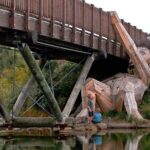
Then you head to Oscar Under The Bridge. That’s the kind of placement that makes you slow down and look carefully. It’s easy to miss if you’re scanning too quickly, which is exactly why having a guide helps.
This stop plays with the idea of discovery—surprises aren’t only inside Copenhagen museums. Here, the sculpture’s location creates the “wait, it’s there!” moment. Plan on taking a few extra minutes at this one, because photo spots can be more limited based on how people position themselves.
Coffee break time: resetting before the big trio
After the first three giants, you take a break with tea or coffee. Think of it as your halfway “battery recharge.” It’s also when you get a chance to adjust your layers—because Copenhagen weather loves a plot twist.
From a visitor’s perspective, this break makes the full route feel doable even if you’re not a power-walker. It’s one reason this tour works well for people doing a few things in one day: it doesn’t drain you early.
Stop 4: Thomas on the Mountain and the scale moment
Next comes Thomas on the Mountain. This is the “height plus presence” stop, and it tends to land for two reasons: you feel the scale, and you get a strong sightline.
If you enjoy art that’s tied to place (not just placed in a gallery), you’ll appreciate how the sculpture interacts with the outdoors. The guide’s role here is to help you notice the surroundings as part of the piece—not just the giant itself.
Wear shoes you trust on uneven ground. This is the kind of site where footing matters more than you want it to.
Stop 5: Little Tilde, the cutest giant for close-up attention
Then you meet Little Tilde. This stop is about charm and closeness. It’s the one that often makes people smile immediately because the energy is lighter and more playful.
If you’re the kind of traveler who loves small details—texture, character, little visual gags—this is a good moment to slow down. Give yourself time for a few angles: front, side, and any spot the guide suggests for a clear photo without fighting the crowd.
Stop 6: Teddy Friendly, cuddly by design and great for laughs
Last is Teddy Friendly. The name is doing its job: it’s cuddly, approachable, and built for the kind of pictures that look like a family photo even if it’s just you and a friend.
This is a strong finale because it leaves you with a “we found them all” feeling. Plus, after several stops, you’re more warmed up and ready to play—pose, point, and enjoy the art instead of just chasing it.
If you’ve done other guided tours around Copenhagen, this ending is refreshingly human. It’s not a lecture finale; it’s a fun goodbye.
The art in context: how Thomas Dambo’s giants feel like real outdoors landmarks
Thomas Dambo’s sculptures have a trick: they look like kids’ characters, but they’re installed with real care. That means the giant is never just a random statue—it feels like it belongs to the terrain.
A recurring theme you’ll notice as you move from giant to giant is how the surroundings guide your attention. Bridges create frame-like viewing. Hills make you look up. Outdoor corners create the surprise effect. Even the timing of the coffee break helps, because you shift from early-morning exploration to a more relaxed second half—like you’re walking a story.
And yes, you might also notice wildlife around the sites. Outdoor art in Denmark doesn’t happen in a vacuum, and nature is part of the scene.
The guides you might meet: stories, pacing, and help with photos
This tour is run by Tours By Milad & Friends, and names that show up in people’s experiences include Milad (also seen as Malid), plus guides like Milan and Ahmed. Whoever you get, the pattern is consistent: the guide keeps things moving and makes the time feel personable.
More than that, you’ll likely get hands-on help with photos. Multiple people mention that their guide took pictures for everyone and kept the group organized at each stop. That small detail matters. It turns solo travelers from “hope I don’t ruin the shot” into “someone’s helping me get the picture I came for.”
One thing to keep realistic expectations: if you’re expecting nonstop deep-dive commentary at every moment, experiences can vary. Some guides are more story-and-history focused, and some will keep it lighter. The biggest constant is the route and the art you came to see.
Walking and weather reality: what to pack so the day stays enjoyable
The tour is outdoors and the weather can change quickly, so pack like you’re in a place that can do rain on a whim. The experience explicitly asks you to bring:
- Water
- Good walking shoes
- Clothes for unpredictable Danish weather
In practice, I’d add one simple thought: bring a light layer you can add or shed without drama. Wind + rain + changing temperatures can make you feel colder faster than you expect.
Also, plan for a bit of uneven ground at some sculpture sites. You don’t need hiking boots, but you do need shoes with grip and comfort.
Who should book this, and who should skip it
This is a great fit for:
- Families and groups who want a fun, outdoors art day
- People who want a quick escape from Copenhagen’s center
- Travelers who like walking but don’t want an all-day hike
It may not be ideal if you:
- Have walking difficulties or other physical limitations
- Need a fully step-free plan, because you’ll be getting in and out of a vehicle and moving at each stop
One review detail that’s worth taking seriously: if someone has trouble getting in and out of the car, it can slow the schedule. That’s not a failure—just how the tour format works—so be honest about your needs before booking.
Should you book The Hunt For The Six Forgotten Giants?
If you’re in Copenhagen and you want something fun, outdoors, and different—this is an easy yes. It’s a short time commitment, the group stays small, and the route is designed so you can see all six sculptures without turning your day into a logistics headache.
I’d book it if you’ll enjoy playful art and you can handle some walking. I wouldn’t book it if you’re looking for a mostly seated tour or if mobility limits make outdoor steps and vehicle access hard.
If you want a half-day that feels like a story you actually walked through, this one is hard to beat.