REVIEW · COPENHAGEN
Copenhagen: Six Forgotten Giant Sculptures Tour by Bus
Book on GetYourGuide →Operated by South Zealand Tours · Bookable on GetYourGuide
A short walk turns into a troll treasure hunt. This Copenhagen Forgotten Giants by bus outing is a different way to see the outskirts of the Danish capital, because six giant sculptures are scattered across smaller towns and nature spots west of the city. I like how it’s playful art hunting, not a museum lecture. I also like the practical setup: you’re driven between sites, then you get just enough walking to make the finds feel earned.
My favorite part is the variety of the giants themselves. Each one has a distinct presence, and you’re guided through the story and locations so you understand what you’re looking at, not just where to point your camera. The one thing to consider is that the giants live in more remote areas around Copenhagen, so you’ll do short field walks and you’ll want to dress for the weather.
In This Review
- Six Things I’d Actually Plan Around
- Price and Logistics: What You Pay For (and Why It’s Worth It)
- Meeting at CPH-Tours & Tickets: Easy Start Near the Station
- The Coach Route Through Western Copenhagen’s Nature Patches
- Sleeping Louis: The First Giant and the Tone of the Hunt
- Hilltop Trine: Reading a Giant’s Personality in the Landscape
- Oscar Under The Bridge: Where Play Meets Urban Edges
- Spisestedet Mosen Break: A Short Reset Between Giants
- Little Tilde: The Slow-Look Stop That Helps Photos Make Sense
- Thomas on the Mountain: Bigger Presence, Stronger Sense of Setting
- Friendly Teddy by Thomas Dambo nr. 14.: The Final Big Moment
- Who This Tour Fits Best (and Who Might Want Another Plan)
- The Value Question: Is $135 a Good Deal?
- Should You Book This Forgotten Giants Bus Tour?
- FAQ
- How long is the tour?
- What is included in the price?
- Where do I meet for the tour?
- Is food or drinks included?
- What languages are available?
- Can I cancel for a full refund?
Six Things I’d Actually Plan Around

- Six giants, one connected route across western municipalities
- Scrap-wood art by Thomas Dambo and his team with help from local volunteers
- Field walks that make the hunt feel real, not like a drive-by photo stop
- Coach comfort for downtime between sites, with stops timed for pacing
- Guided time at each sculpture so you get meaning, not only locations
- A nature-focused route where Copenhagen’s edge looks very different from the city center
Price and Logistics: What You Pay For (and Why It’s Worth It)
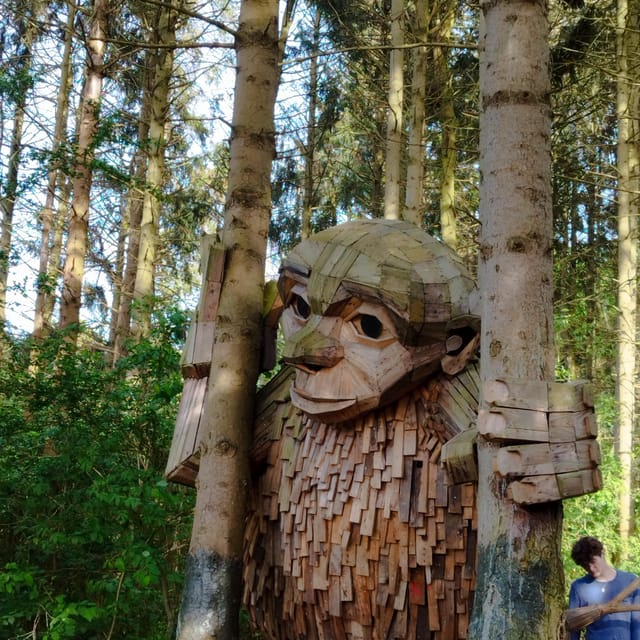
This tour runs about 4 hours and costs $135 per person. That price can feel steep until you look at what’s included: a live English-speaking guide plus bus transportation between six sculpture stops spread across multiple municipalities west of central Copenhagen. If you tried to do this on your own, you’d be piecing together transit, parking, and navigation while also figuring out how much walking each site requires. Paying for the coach + guide is essentially buying back your time and reducing stress.
There’s also a comfort factor: the tour is built around short, manageable visits, with driving time in between. One review mentioned the bus had practical perks like WiFi and phone chargers, which matters when your “art tour” also turns into a photo and map-check session.
Two logistics notes you should plan for:
- No hotel pickup or drop-off. You’ll meet at the tour office.
- No food or drinks included. There’s a short break with a place to eat, but bring your own snacks if you know you get hungry during tours.
If you want the giants but also want an easy day, this is the right structure.
You can also read our reviews of more tours and experiences in Copenhagen.

Meeting at CPH-Tours & Tickets: Easy Start Near the Station
You meet at CPH-Tours & Tickets, and it’s described as being about 2 minutes from Copenhagen Central Station. That’s a big deal for two reasons. First, it keeps the morning simple: you can arrive by train or on foot without getting stuck in “where do I start?” mode. Second, it makes the tour feel like a natural add-on to a city day instead of a separate mission that eats up your whole afternoon.
In practical terms, I’d treat this as an “after breakfast, before dusk” activity. The route is outside the core city, so you’re better off not rushing in late with tired legs and bad timing.
The Coach Route Through Western Copenhagen’s Nature Patches
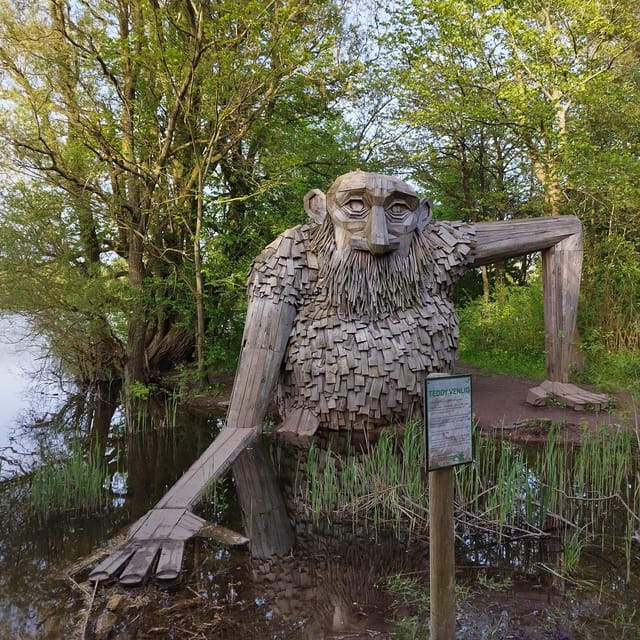
This tour is built as a series of short visits with bus transfers. You’ll start with a drive that moves you into the western municipalities of the Copenhagen area: Rødovre, Hvidovre, Vallensbæk, Ishøj, Albertslund, and Høje Taastrup. The point isn’t just geography. It’s contrast.
Copenhagen is famous for neat streets and waterfront views, but these giants live where you see something more ordinary and more Danish: fields, quiet edges of suburbs, and nature spots that most visitors never think to hunt down. In other words, you get a different Copenhagen without having to plan a whole road trip.
And yes, you’ll walk. The tour is not presented as a long hike, but it does involve walking in fields to uncover the sculptures. Wear shoes you don’t mind getting a little dirty, and don’t count on every surface being smooth.
Sleeping Louis: The First Giant and the Tone of the Hunt
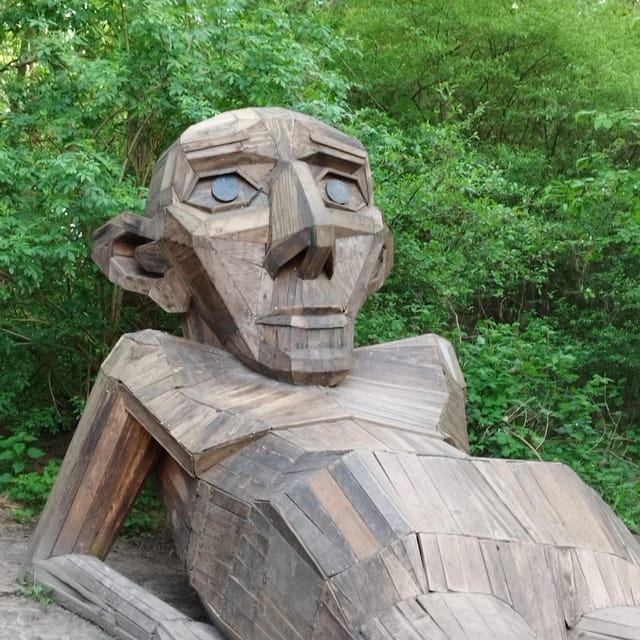
Your first sculpture stop is Sleeping Louis, with a short guided visit. Even before you’ve seen the full set, this one matters because it sets the rhythm: you arrive, you get oriented, and then you start noticing details you might miss if you were simply taking photos.
From a practical viewpoint, early timing is helpful. When your legs are fresh, you’re better able to handle the field-walking bits. When your brain is fresh, you also pick up on how these giants are made from scrap wood and assembled into characterful forms that look both playful and oddly convincing in the landscape.
A good way to approach this stop: don’t just look up at the giant. Look around it. The surrounding setting is part of the art experience.
Hilltop Trine: Reading a Giant’s Personality in the Landscape
Next comes Hilltop Trine, another guided visit with time built in to look slowly. This is where the tour becomes more than “find the troll.” You start understanding how the sculptures work with their locations. A hilltop placement changes everything: sightlines, shadows, and how you move relative to the form.
This stop is also a good moment to pay attention to materials. The project uses recycled scrap wood, shaped with help from local volunteers. That matters because these aren’t polished museum pieces with a clean backstory. They’re made from cast-off material and community effort, then set outside so art has room to breathe.
If you’re the type who likes to connect the dots, ask your guide about how the pieces are built and why this style fits the outdoors.



Oscar Under The Bridge: Where Play Meets Urban Edges
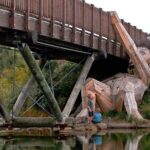
Oscar Under The Bridge is a smart pivot point on the tour. It shifts the vibe from open nature to a more structural setting, where you get a different kind of Danish atmosphere. Bridges and waterways are part of Copenhagen’s identity, and the art here uses that familiar infrastructure in a surprising way.
Guiding here helps, because placement can be misleading if you’re just looking for a statue. At a site like this, you want to know what to focus on: how the giant fits the space, what makes the sculpture recognizable from different angles, and why the “under” location is part of the story.
Practical tip: bring your camera strap or keep your bag secured. Between sculptures and bus transfers, you’ll be moving fairly often.
Spisestedet Mosen Break: A Short Reset Between Giants
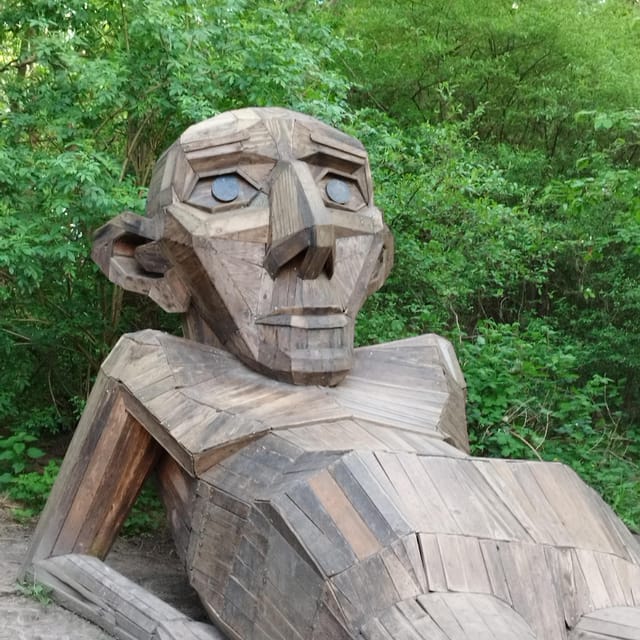
There’s a short break at Spisestedet Mosen. It’s your chance to refuel without stretching the tour into a whole meal. Since food and drinks aren’t included, this is also where you’ll decide what works for you: a quick bite, a drink, or just a chance to sit down and let your feet recover.
I like this kind of break on guided tours. You’re still near the action, but you don’t have to power through every stop like a checklist robot.
Little Tilde: The Slow-Look Stop That Helps Photos Make Sense
Next is Little Tilde, with a guided visit. This is another moment where the tour logic pays off: you’re not only cycling between giants. You’re getting a sequence of placements that trains your eye.
By now, you’ll likely have noticed recurring themes: scrap-based texture, playful scale, and the way each giant seems to belong to its immediate surroundings. Little Tilde is a good stop for taking time, because smaller or more intimate-feeling placements often reward patience. Step back. Step closer. Look from a few angles.
If you’ve only ever seen trolls in books or folklore illustrations, these sculptures can feel like a modern translation of the old stories: something whimsical, made by ordinary people, and installed where you actually live your life.
Thomas on the Mountain: Bigger Presence, Stronger Sense of Setting
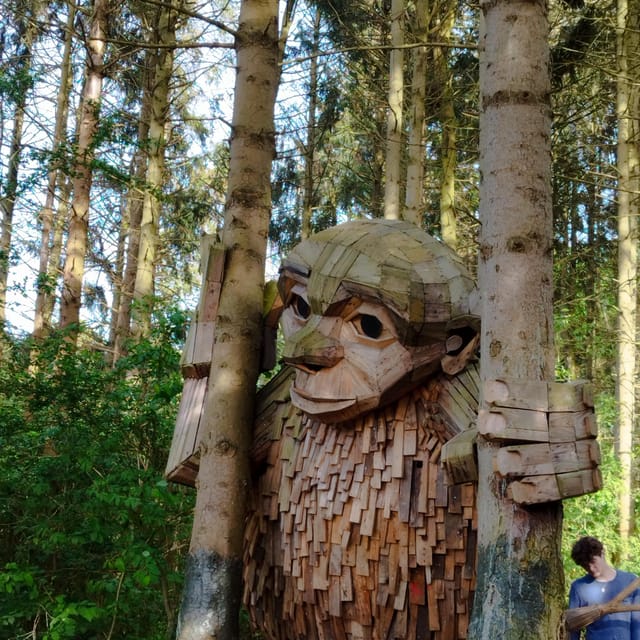
Then you’ll visit Thomas on the Mountain, which gets you back into the “wow, that’s a big character” category. The word mountain here matters in how the sculpture reads. Even if you’re not climbing anything intense, the elevated placement changes the experience: you’ll feel more distance between you and the figure, and you’ll probably notice more sky in your frame.
This is also where I’d slow down and look for craftsmanship cues. The project is credited to Thomas Dambo’s Forgotten Giants, and the broader team is known for making sculptures from scrap wood and also experimenting with other recycled materials. You don’t need to know the full catalog to appreciate the result: these forms look sturdy, imaginative, and intentionally placed rather than “just parked outside.”
If your guide mentions related works like Hector Protector or Troels The Troll, treat that as a bonus thread. It helps you see this isn’t a one-off roadside prank. It’s a whole body of public art.
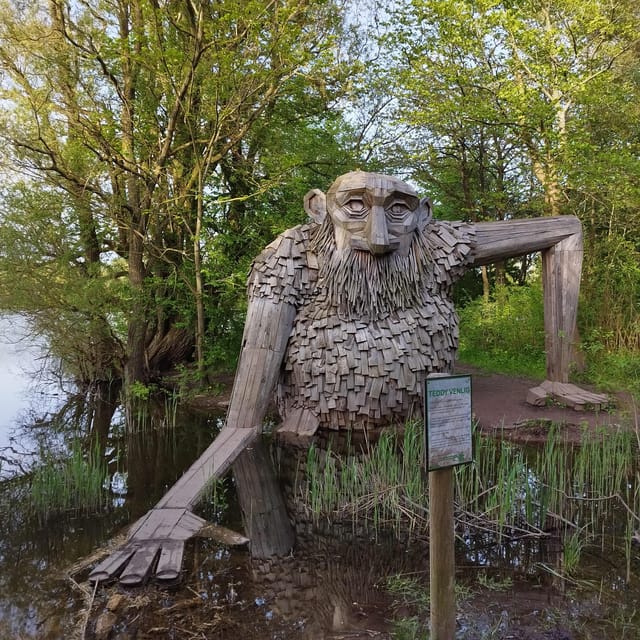
Friendly Teddy by Thomas Dambo nr. 14.: The Final Big Moment
Your last major sculpture stop is Friendly Teddy by Thomas Dambo nr. 14. By this point, you’ll likely be in a good “completion mode.” But don’t rush it. The best end-of-tour photos come from understanding the size and placement, not sprinting to a perfect shot.
This stop also closes the tour’s main idea: bringing art out of the museum and into outdoor spaces that many people never see. The giants are meant to redirect your attention toward places that are present but easy to overlook. The final sculpture is your payoff for staying alert through the whole hunt.
You return to the meeting point after the last stop, ending a day that feels outdoorsy without being overly exhausting.
Who This Tour Fits Best (and Who Might Want Another Plan)
This tour is ideal if you want:
- A fun, structured art hunt with minimal planning
- Nature around Copenhagen without renting a car
- Short guided stops that explain what you’re seeing
- An activity that works well for couples, solo travelers, and families who like playful discovery
It may not be perfect if:
- You dislike any walking in fields, even short sections
- You need a tight indoor experience with minimal weather impact
- You want deep, long explanations. The tour is guided, but the pacing is designed for seeing all six giants in a half-day window.
The Value Question: Is $135 a Good Deal?
For a 4-hour outing that includes a guide and coach transport between six separate sculpture sites, the price is more reasonable than it looks at first glance. You’re paying for convenience and time efficiency, plus the guidance that helps you understand why the giants are where they are and what the project is trying to do.
If you’re already comfortable driving and navigating rural outskirts, you might be able to do something similar on your own. But you’ll likely lose the “minimum walking, maximum seeing” timing that makes this tour feel smooth. Given the scattered locations and the need for short walks, paying for the bus route is a smart bet for most visitors.
Should You Book This Forgotten Giants Bus Tour?
Yes, if you want a low-stress way to see Thomas Dambo’s Forgotten Giants and you enjoy outdoor wandering that’s playful, not punishing. You get six sculptures, guided context, and a coach that keeps the day moving.
I’d especially recommend it if you’re visiting Copenhagen for a short time and don’t want to waste that time figuring out logistics for art scattered across the surrounding municipalities. Dress for outdoor walks, bring water and a snack if you like, and treat each giant like a mini stop on a mini adventure. The whole thing works because it turns public art into a hunt with just enough walking to make it memorable.
FAQ
How long is the tour?
The tour duration is 4 hours.
What is included in the price?
The price includes a guide and bus transportation.
Where do I meet for the tour?
You meet at CPH-Tours & Tickets, which is described as being about 2 minutes from Copenhagen Central station.
Is food or drinks included?
No. Food and drinks are not included, though there is a break stop at Spisestedet Mosen during the tour.
What languages are available?
The live tour guide is in English.
Can I cancel for a full refund?
Yes. Free cancellation is available up to 24 hours in advance for a full refund.