REVIEW · COPENHAGEN
Copenhagen: Guided Architecture and Sustainability Tour
Book on GetYourGuide →Operated by Tropical Bikes · Bookable on GetYourGuide
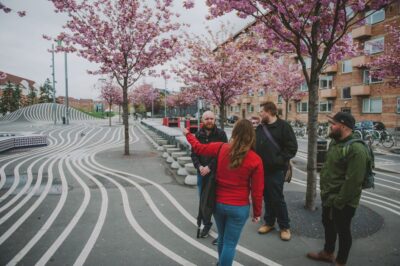
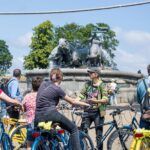
Copenhagen doesn’t just look good. It also works—and this bike tour explains why. In three hours, you’ll ride past bold 21st-century architecture and practical city planning, with a local guide who connects design to daily life and greener choices.
I like two things a lot here. First, the tour shifts you off the usual postcard route and into quieter corners where you can actually see how Copenhagen is built for people. Second, the guides (Rene’, Jörn, John, and Josephine are names you’ll hear mentioned) blend architecture talk with sustainability in a way that feels personal, not textbook.
One consideration: this is strongly geared toward modern architecture and urban design. If you’re mainly after older, historic-before-1900 sights, you might feel the emphasis is elsewhere—and you’ll want to stay close to the guide at each stop since pacing can move quickly.
In This Review
- Key Things To Know Before You Ride
- Why Copenhagen Architecture Makes Sense Better From the Saddle
- Getting Started at Tropical Bikes: bikes, helmets, lounge time, and sizes
- Blox and Lille Langebro: modern architecture you can read in minutes
- Havnebadet Islands Brygge and Karen Blixens Plads: the harbor as a sustainability story
- Ørestad, Tietgen Residence Hall, and E/F Gemini: new districts built for daily living
- Cykelslangen and Kaktus Towers: cycling infrastructure meets distinctive forms
- Enghave Plads and Israels Plads: when older places get reused the greener way
- Price and value: is $70 fair for a 3-hour, ~17km bike tour?
- Who should book this bike architecture tour, and who might skip it
- Should you book this Copenhagen architecture and sustainability bike tour?
- FAQ
- How long is the Copenhagen guided architecture and sustainability bike tour?
- How far do we cycle during the tour?
- Where do we meet and where do we end?
- What’s included with the bike and safety gear?
- Do you have bikes for children?
- What languages are the live guides?
- What bike upgrades cost extra?
- Does the tour run in bad weather?
- What’s the cancellation policy and can I pay later?
Key Things To Know Before You Ride
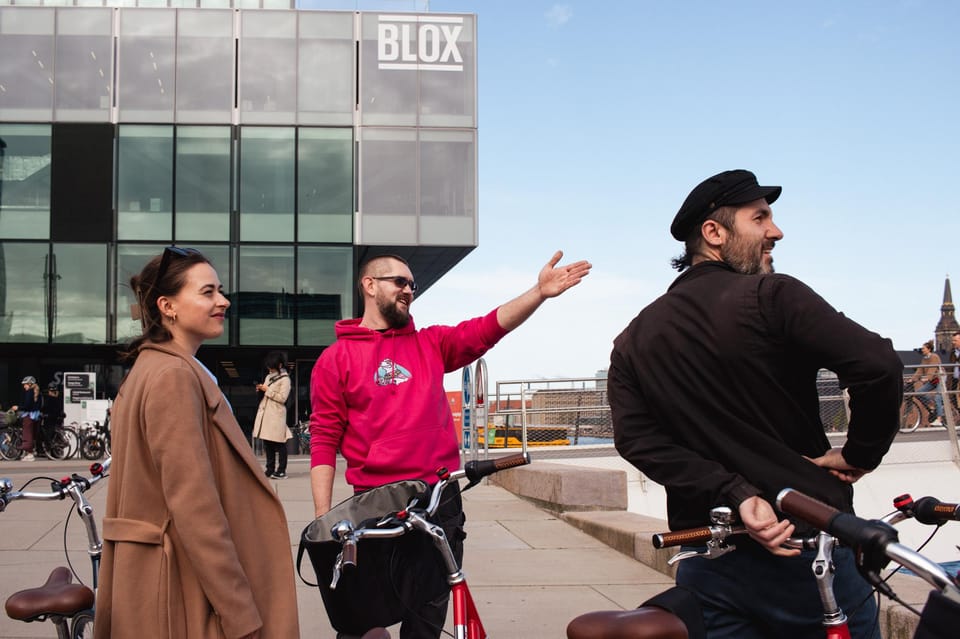
- A 17 km cycling loop that turns planning and sustainability ideas into something you can feel on the street
- Architecture that links to everyday life, from new districts to former industrial areas being reused
- Real city stops (Blox, Ørestad, Amager Fælled, Kaktus Towers, Enghave Plads, Israels Plads) with frequent guided pauses
- Safety and pace matter: guides like Rene’ and Jörn are repeatedly praised for keeping riders comfortable
- Bike comfort included with multiple frame sizes and a children’s option (reserve ahead)
- Optional upgrades are extra if you want an e-bike, cargo bike, child-seat, or tandems
Why Copenhagen Architecture Makes Sense Better From the Saddle
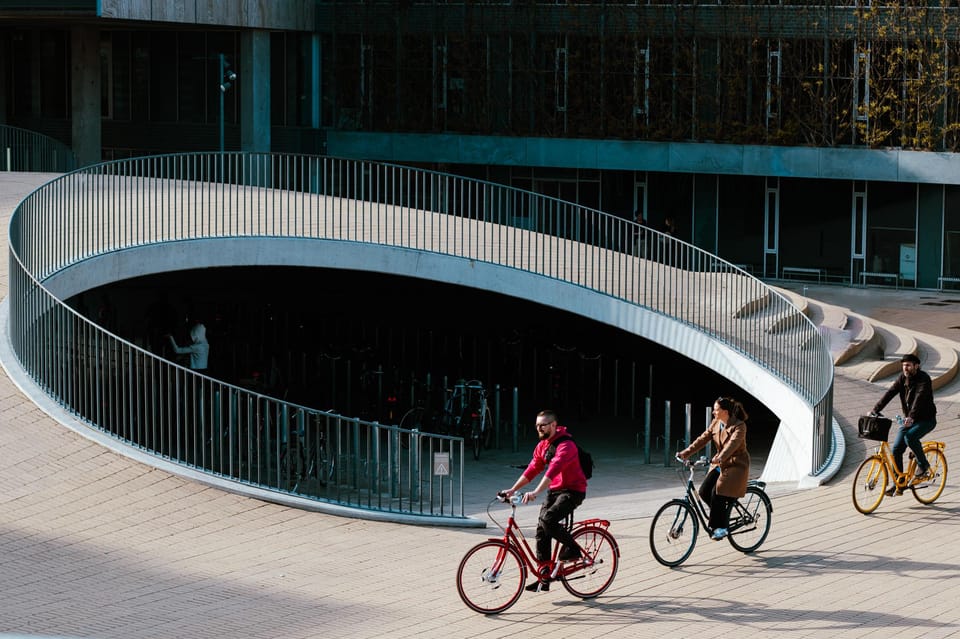
Copenhagen’s reputation is easy to understand. You see bikes everywhere, you feel the human scale, and you notice how public space is treated like something for daily use—not just for photos. What I like about this tour is that it doesn’t stop at the buildings. It shows how sustainability shows up in planning choices: where people live, how waterfronts are treated, and why the city invests in movement by bike.
You’ll cover roughly 17 km on a guided ride. That’s long enough to connect the dots between districts, but short enough that the tour stays social and discussion-heavy. You’re also given a helmet, plus a rain poncho if the weather turns. Copenhagen’s weather can change fast, and this tour starts in any condition, so being prepared beats hoping.
Most people come for architecture. They stay for the “how the city thinks” part. The guide is set up to explain principles in plain language—so you’ll walk away with a better understanding of why Copenhagen is so influential in other places, not just famous for pretty design.
You can also read our reviews of more guided tours in Copenhagen
Getting Started at Tropical Bikes: bikes, helmets, lounge time, and sizes
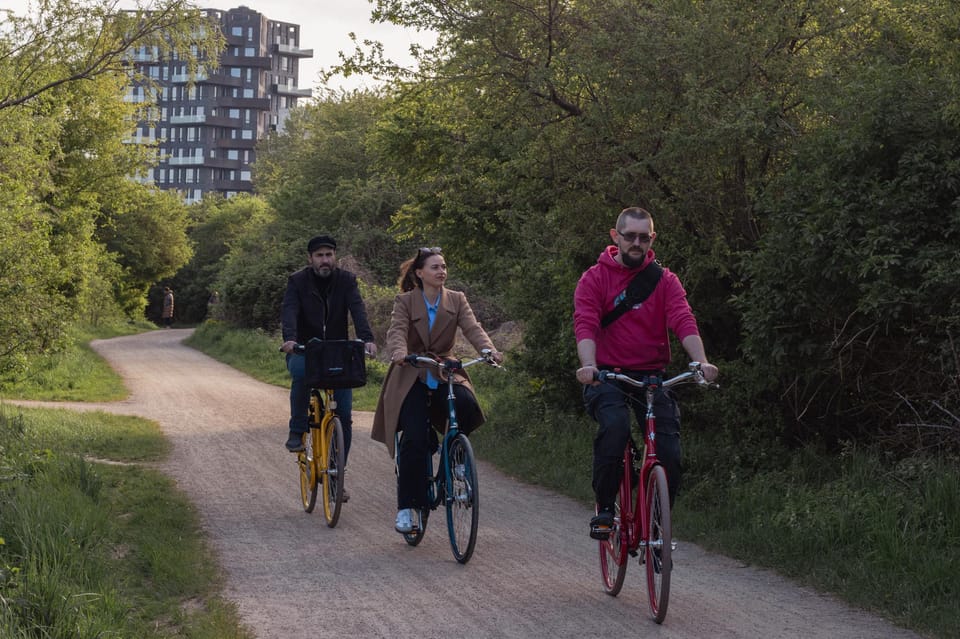
Your meeting point depends on the option you booked, but one common start is Tropical Bikes, Vester Voldgade 2A. Either way, the ride begins with getting set up fast.
Here’s what you get without extra effort:
- Bikes in multiple sizes (48 cm, 51 cm, and 56 cm frames)
- Helmet and luggage storage
- A comfy lounge before and after the tour, with toilets
- Rain poncho if needed
If you’re traveling with kids, there’s a children’s bike option (24′ and 26′ frames), but you have to reserve it beforehand. If you don’t reserve early, you might not get the frame size your child needs.
Small note that helps: the tour doesn’t include bike add-ons like baskets and phone holders (available on-site for 49 DKK each). If you want to carry your day bag, camera, or phone in a secure way, it’s worth planning on picking one up.
This kind of start matters more than it sounds. A well-fitted bike and protected ride means you can actually enjoy the stops instead of spending the ride adjusting your posture.
Blox and Lille Langebro: modern architecture you can read in minutes
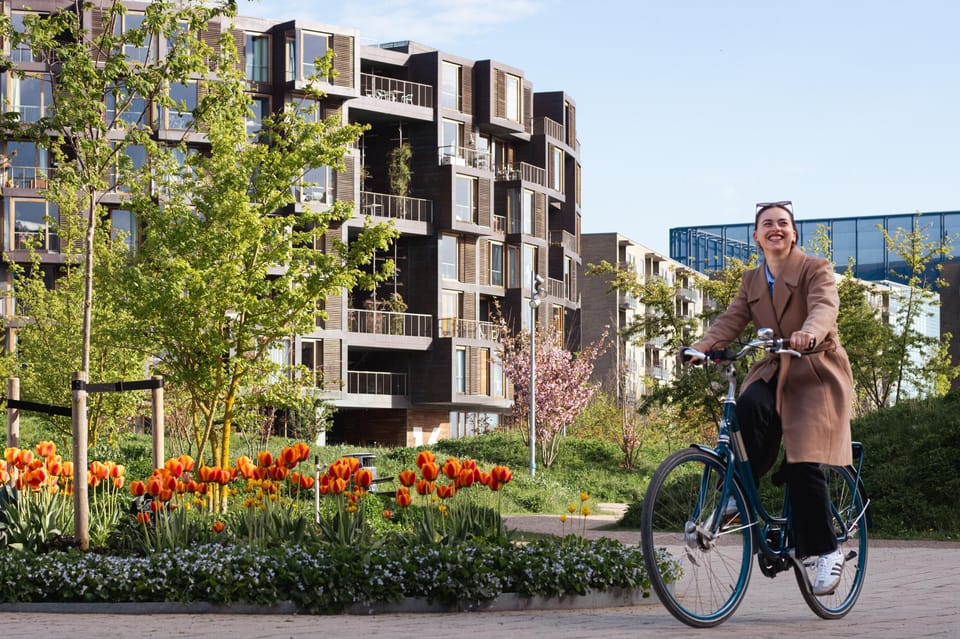
The tour kicks off with a stop at Blox (around 10 minutes), followed by Lille Langebro (about 5 minutes). These are quick, guided look-and-learn moments.
What you’re really doing here is training your eye. Instead of only admiring what you see, you learn how to notice what architects and planners are trying to solve:
- How buildings relate to people moving through the city
- How design choices support a more sustainable way of living
- Why the city mixes older Copenhagen with newer forms rather than treating them as enemies
Even with short stops, the guide’s job is to slow you down just enough. In earlier tours, guides like Josephine are praised for making it fun with jokes while still keeping the information grounded. That combo is helpful when you have only a few minutes at each location.
Possible drawback: some riders want more “earlier architecture” context, and the focus here leans more toward modern (21st-century) thinking. If that’s you, treat this as a tour about how Copenhagen became the Copenhagen of today, not a chronological museum walk.
Havnebadet Islands Brygge and Karen Blixens Plads: the harbor as a sustainability story
Next up is the waterfront side of the city—first Havnebadet Islands Brygge (about 10 minutes), then Karen Blixens Plads (about 10 minutes).
This section is where the tour’s theme starts to feel real. Copenhagen’s harbor and waterfront spaces are not just scenic. They’re part of the city’s approach to public life: making the water accessible, improving how people use shared space, and supporting greener urban choices.
At each stop, you’ll get a guide-led explanation that ties design to how the city functions for residents. That’s the humanistic side people talk about when they call Copenhagen friendly—public spaces are designed for everyday routines, not only special occasions.
Practical tip: these are photos-and-notes moments. Copenhagen’s light is great, but the ride keeps moving. Bring your attention on the guide’s cues—what to look for, and what principle connects one place to the next.
Ørestad, Tietgen Residence Hall, and E/F Gemini: new districts built for daily living
When you reach Ørestad (a short scenic section of about 5 minutes), the tour shifts into its newer, architecture-forward mode. Ørestad is described as a place where modern design blends with sustainable living, and that’s exactly what you’ll focus on.
Then you’ll spend time at The Tietgen Residence Hall (around 10 minutes), followed by Amager Fælled (about 10 minutes) and E/F Gemini Residence (about 10 minutes).
This cluster of stops is valuable because it shows architecture as a system, not just a look. You’re seeing:
- Housing and residential design as part of city sustainability
- How green space and movement corridors fit into a modern district
- Why urban planning has to work for both routines (commuting, living) and longer-term goals (environmental impact)
In tours led by guides such as Rene’ or Jörn, the explanations often hit the “so what” question: how the choices affect real lives. A common theme in guide feedback is that they give riders time to look—so you don’t just roll past impressive buildings without understanding what makes them important.
A note on pacing: this area can feel like it’s moving quickly because there’s a lot to take in. If you’re the type who loves details, don’t worry. The tour is built around frequent guided pauses, not nonstop cruising.



Cykelslangen and Kaktus Towers: cycling infrastructure meets distinctive forms
After the Ørestad area, the route includes Cykelslangen (about 5 minutes, scenic drive) and Kaktus Towers (about 10 minutes, guided stop).
This is where Copenhagen’s cycling identity becomes more than branding. You’ll see how the city supports bike movement as a normal way to get around. That matters because good infrastructure changes behavior. When biking is easy and predictable, more people choose it—less congestion, less car dependence, and a city that breathes differently.
Then at Kaktus Towers, the guide helps you connect form to function. You’re looking at a modern architectural statement, but the sustainability lesson is really about what that statement allows: how people live, how density is handled, and how design choices aim to balance comfort with environmental thinking.
What I like here: you’re not stuck staring at one building. You’re traveling through the built logic that links places together.
Enghave Plads and Israels Plads: when older places get reused the greener way
The tour finishes with the “reuse and transform” thread. You’ll stop at Enghave Plads (about 10 minutes) and Israels Plads (about 10 minutes).
This part is tied to Copenhagen’s harbor-side story of turning once-industrial areas into community-focused spaces. You’ll also hear about how areas like Kødbyen and Israels Plads have been transformed into spaces that honor the past while pushing a greener future.
Even if you don’t know the background going in, the guide should help you read what’s changed: the intent behind repurposing, and why recycling older urban fabric can be a sustainability win. Reuse isn’t only about the environment. It’s also about keeping character and letting neighborhoods grow rather than resetting completely.
If you enjoy architecture because it tells you something about society, this is the section that often sticks.
Price and value: is $70 fair for a 3-hour, ~17km bike tour?
At $70 per person for a 3-hour guided ride, the value depends on what you want from Copenhagen.
If your goal is to do Copenhagen “by walking and guessing,” this likely isn’t your best deal. But if you want:
- A local guide who connects architecture + sustainability
- A bike tour format that gets you across districts efficiently
- Included safety and comfort items like helmet, poncho, and luggage storage
- A plan that reaches beyond the most crowded spots
…then the price starts to make sense fast.
You’re also not just getting a ride. You’re getting a structured sequence of stops that each relate back to the tour’s theme—modern architecture as a tool for building a friendlier, greener city. And with the rating of 4.8 from 73 reviews, you’re paying for something that’s clearly landing with a lot of riders.
That said, factor in optional costs if you need them. For example:
- Baskets and phone holders cost 49 DKK each
- Bike upgrades include e-bike (249 DKK), cargo/tandem (449 DKK), e-cargo (649 DKK), and child-seat (119 DKK)
If you already have strong bike comfort and don’t need extras, you can keep it simple and stay within the base price.
Who should book this bike architecture tour, and who might skip it
I’d point you toward this tour if you:
- Want to understand Copenhagen’s modern planning, not just admire photos
- Like architecture but also enjoy the “why” behind design choices
- Prefer moving by bike so different neighborhoods feel connected
- Want an off-the-usual-route experience with guided pauses
I’d nudge you to consider other options if you’re:
- Mainly hunting for deep, early-historical sightseeing (this tour’s emphasis leans modern)
- Not fully comfortable biking for about 17 km, since the tour is not suitable if you can’t ride
- Sensitive to group pacing, since one note suggests that group management can be inconsistent and a few people can end up behind if they don’t stay close
In other words: if you’re an active rider who likes practical insights, this works well. If you want a museum-style architecture timeline, it may feel focused rather than wide.
Should you book this Copenhagen architecture and sustainability bike tour?
If you’re choosing one guided bike experience that explains how Copenhagen became a sustainability model, I think this is a smart pick. The combination of architecture talk, city planning themes, and a ride that reaches beyond the busiest tourist stops is exactly what makes the price feel justified.
Book it if you want to connect buildings to real life—how neighborhoods are designed, how the harbor is used, and how new districts like Ørestad fit together with greener living. Skip it if you need more older-history framing or you’re unsure about comfortable cycling distance.
If you book, do one simple thing: stay close to the guide at each stop. You’ll get more out of the ride when you don’t lose the thread.
FAQ
How long is the Copenhagen guided architecture and sustainability bike tour?
The tour lasts 3 hours.
How far do we cycle during the tour?
You’ll cycle a total of roughly 17 km.
Where do we meet and where do we end?
The meeting point can vary depending on the option you book. One listed start and drop-off location is Tropical Bikes, Vester Voldgade 2A (with other starting options possible).
What’s included with the bike and safety gear?
The tour includes a local guide, bikes in different sizes, a helmet, luggage storage, and a rain poncho. There’s also a comfy lounge before and after the tour, including toilets.
Do you have bikes for children?
Yes. There’s a children’s bike option (24′ and 26′ frames), but you need to reserve it beforehand.
What languages are the live guides?
The tour is guided live in English and German.
What bike upgrades cost extra?
Bike upgrades such as e-bike (249 DKK), e-cargo (649 DKK), cargo/tandem (449 DKK), and a child-seat (119 DKK) are not included. Baskets and phone holders can be bought on-site for 49 DKK each.
Does the tour run in bad weather?
The tour starts in any weather. You’ll receive a rain poncho, and you should wear suitable clothing and comfortable shoes.
What’s the cancellation policy and can I pay later?
You can cancel up to 24 hours in advance for a full refund. There’s also a reserve now & pay later option, so you can book without paying immediately.