REVIEW · COPENHAGEN
Copenhagen: Danish Architecture Center Entrance Ticket
Book on GetYourGuide →Operated by DAC Dansk Arkitektur Center · Bookable on GetYourGuide
This is architecture you can feel in your day. The Danish Architecture Center in BLOX turns Danish design into something you can see, play with, and think about, with a 40-meter slide and rooftop views. One thing to plan for: the entrance is below ground, so you’ll be using stairs or escalators when you arrive at Bryghuspladsen.
I especially like how the exhibitions stay hands-on and change over time, so you’re not stuck with the same museum feel. I also love the way the center frames Danish architecture as part of everyday life, from the history of function to the So Danish storyline from the Viking age until today. If you’re expecting a long, fully guided experience, check your expectations—this is ticketed entry with access to the exhibits and highlights, not a listed guided route for a specific tour group timing.
In This Review
- Key highlights worth your ticket
- First stop: finding BLOX and getting oriented fast
- What you actually get with the ticket in DAC
- Rotating exhibitions: the best way to see Danish design thinking
- The DAC Slide: 40 meters of pure momentum
- Rooftop terrace views: when the lesson becomes real
- So Danish: tracing architecture from the Viking age to today
- Welfare architecture: why the center keeps using the word function
- How to pace your day (so it doesn’t turn into museum fatigue)
- Who this is best for in Copenhagen
- Value check: is $19 worth it?
- Small practical notes that make your visit smoother
- Should you book the Danish Architecture Center ticket?
- FAQ
- What is the Danish Architecture Center (DAC)?
- Where is the Danish Architecture Center located?
- How much does the ticket cost?
- How long is the ticket valid?
- What’s included in the ticket?
- What is not included?
- Where do I start the visit?
- What languages are available?
- Is the DAC wheelchair accessible?
- Can I cancel and get a refund?
Key highlights worth your ticket

- A 40-meter slide inside the Danish Architecture Center for an easy, memorable hit of fun
- Rotating exhibitions that keep the experience fresh and practical, not just static displays
- Rooftop café access and harborfront views from the rooftop terrace
- So Danish: tracing Danish architecture from the Viking age until today
- Welfare architecture focus where function, art, and design are treated as one idea
- Built for different ages with exhibitions you can enjoy whether you’re traveling with kids or you’re an architecture fan
First stop: finding BLOX and getting oriented fast
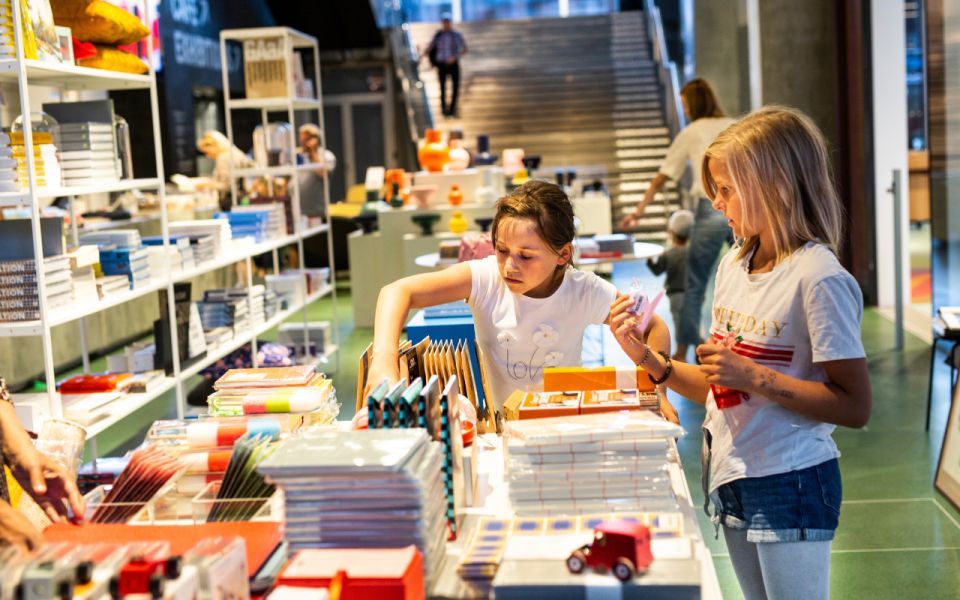
The Danish Architecture Center sits in the BLOX building right by the harborfront in Copenhagen. It’s a smart location because you’re looking outward while you learn how the city thinks inward—architecture as a framework for daily life. From Bryghuspladsen, you’ll see the access point, but here’s the key detail: the entrance of the center is below ground.
That means your arrival is less about breezing into a front door and more about moving down via stairs or escalators. If you’re traveling with anyone who hates uneven movement, plan a little extra time before your ticket slot starts. Once you’re inside, the center layout makes it easy to choose your pace—whether you want to focus on one major exhibition or bounce between multiple displays.
You can also read our reviews of more tours and experiences in Copenhagen



What you actually get with the ticket in DAC
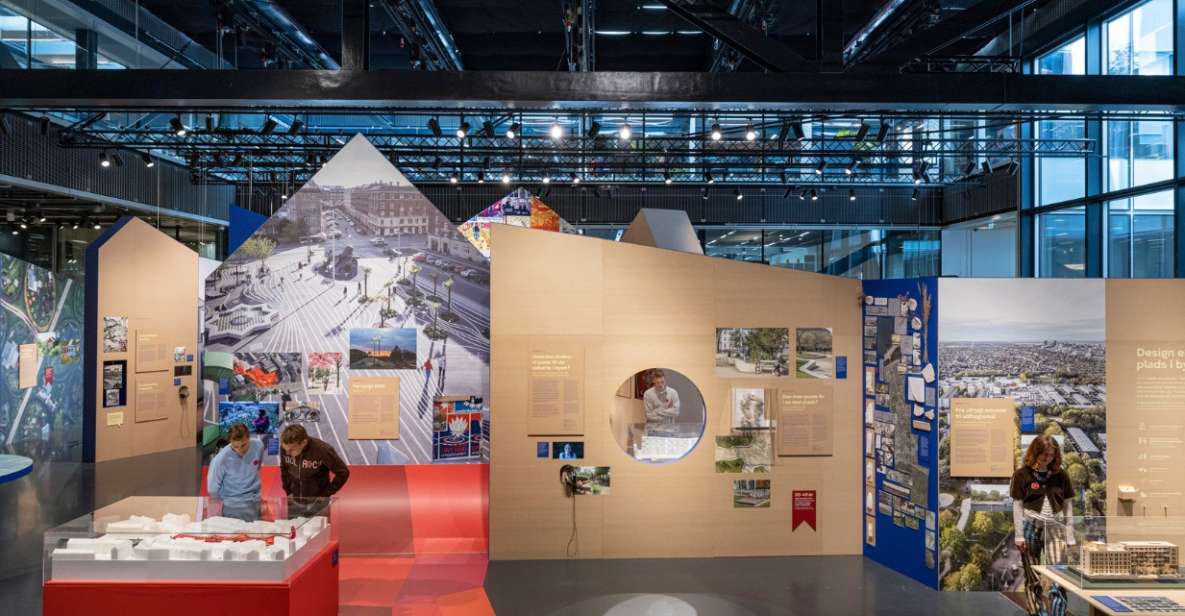
Your ticket is built around access to the Danish Architecture Center experience, not just a single room. When you buy the entry ticket, you get entry to all open exhibitions, including the DAC Slide. You also get access to the rooftop café area, which is great because it gives you a break after you’ve been reading, looking, and thinking.
Two simple value points I like about this setup:
- You’re not just paying for one moment. The ticket covers multiple exhibitions and you can spend time where your interests pull you.
- You get both indoor learning and a view-based payoff from the terrace, which helps the museum feel less like homework.
One watch-out: food and drink at the rooftop café are not included, so that part stays optional. I’d treat it as a nice add-on if the views make you hungry, not as something you can assume is covered.
Rotating exhibitions: the best way to see Danish design thinking
A big reason I’d choose this center over a smaller one is the emphasis on changing exhibitions. These rotating displays highlight unique aspects of architecture rather than repeating the same material every season. That matters because architecture is never just about buildings—it’s also about how people live, what societies prioritize, and how design shapes behavior.
You can expect the center to keep returning to the idea that architecture and design create the framework for our lives. The displays focus on the history and function of architecture, but they also treat it like art and culture, not just engineering.
If you’re the type who likes to learn efficiently, rotating exhibitions help. You can catch what’s on view right now, and you don’t have to worry that your ticket is tied to one outdated topic. If you’re returning to Copenhagen, it’s also a reason to come back later—because the center can change the story you see.
The DAC Slide: 40 meters of pure momentum
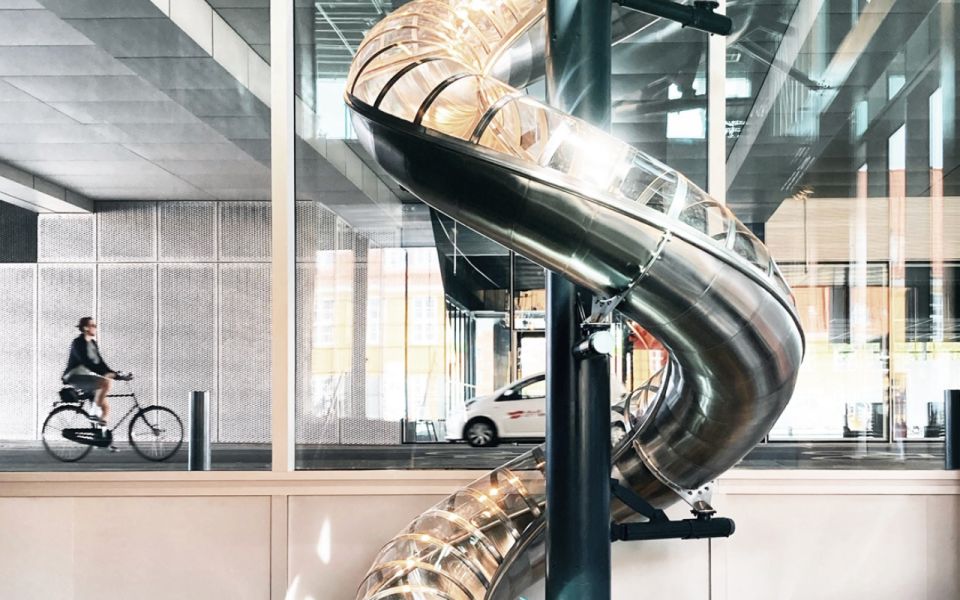
Then there’s the part you’ll remember even if you forget everything else: the 40-meter slide. It’s included with your admission, so you don’t have to decide whether it’s worth an extra add-on charge. In practice, it’s a great reset button. After you’ve spent time in exhibitions with text and models, the slide gives you a physical, low-effort moment that still feels connected to the theme: design that’s playful, not just serious.
A practical tip: go when you have the energy. If you’ve been reading a lot, you might want to take the slide earlier so you’re not saving the most fun part for the end when you’re tired.
Also, since it’s a fixed attraction, try to check your day for breathing room around it. The center is built for exploring at your own pace, but the slide is a standout—so don’t rush through everything else without leaving time for it.
Rooftop terrace views: when the lesson becomes real
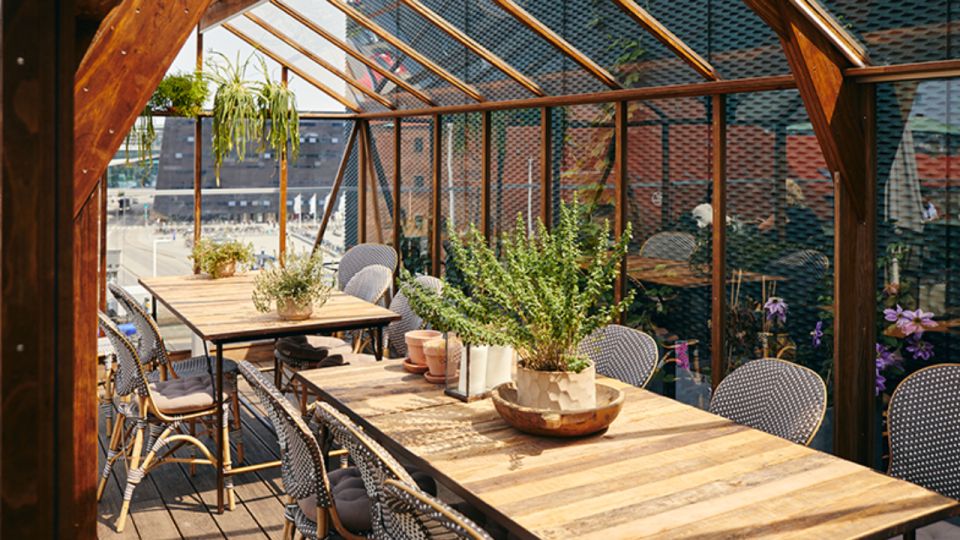
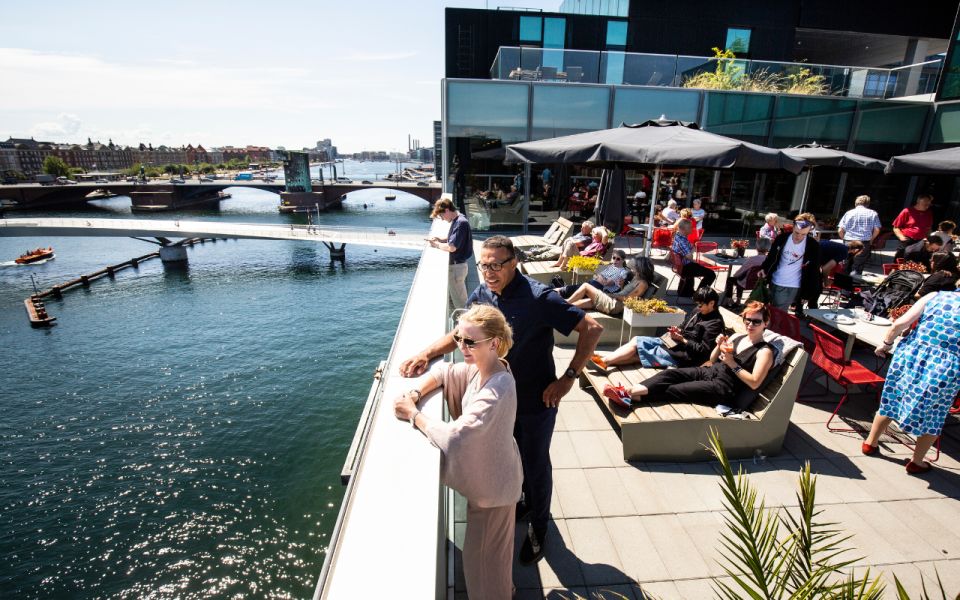
The rooftop terrace is included in your experience, and it’s one of the easiest wins in the whole ticket. You’ll get access to the rooftop café area, but even if you don’t buy anything, the point is the view over Copenhagen’s harborfront.
This matters more than it sounds. Seeing architecture from above helps you connect what you’ve learned indoors—materials, form, city planning—with what’s actually around you outside. You’ll notice how the harbor, the built edges, and the cycle bridges shape the space people use every day.
I like that this doesn’t feel like a random bonus. It feels like a wrap-up. You finish your exhibition time, then you look out and understand that architecture isn’t stuck on museum walls. It’s the stuff you walk through on purpose.






So Danish: tracing architecture from the Viking age to today
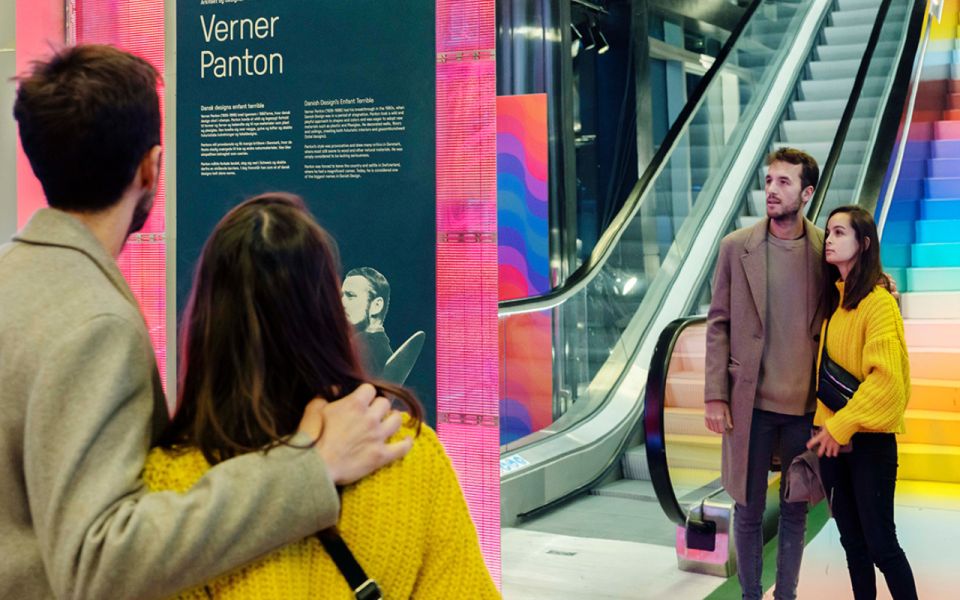
One of the center’s most clearly described offerings is So Danish, which follows Danish architecture from the Viking age until today. That’s a big timeline, so the value here is how it frames change over time. Instead of treating architecture like a list of famous buildings, the story ties design to what Denmark was dealing with across centuries.
When I’m planning a first trip to a place, I love exhibitions like this because they give you a baseline. Once you’ve seen a long arc, the buildings you spot around Copenhagen start to make more sense. You might also find yourself noticing details that you would otherwise pass by—because you’re no longer just looking at facades; you’re looking at ideas.
Keep an eye on how the exhibition handles function versus form. The center emphasizes welfare architecture, where function, art, and design are treated as one system. That’s a thoughtful way to look at architecture: not as decoration, but as public-minded choices that affect real lives.
Welfare architecture: why the center keeps using the word function
The center highlights welfare architecture where function, art, and design are paramount. I like this angle because it steers you away from the common museum mistake: admiring buildings like they’re artworks only for tourists.
Instead, the message is that architecture is part of social policy and daily comfort. It shapes what services are available, how people move, and how communities feel. When you see that through an exhibition, it changes how you interpret architecture later on the street.
If you’re the kind of visitor who wonders why certain neighborhoods feel the way they do, this part gives you a way to think. You’ll be able to connect modern Danish design priorities to broader historical values and societal needs.
How to pace your day (so it doesn’t turn into museum fatigue)
Since your ticket is valid for 1 day, the easiest way to avoid stress is to plan for flexibility rather than over-scheduling. You can spend time where you’re interested and still keep a break slot for the slide and rooftop terrace.
Here’s a pace that works well in real life:
- Start with the rotating exhibitions so your day begins with the newest story on view.
- Follow that with the more structured “timeline” concept like So Danish if it grabs you.
- Save the slide and terrace for when you want a break from reading and model-viewing.
If you’re traveling with kids, you’ll likely appreciate having the slide not too far into the visit. It keeps energy up, and it turns the center into an outing, not just a cultural stop.
Who this is best for in Copenhagen
This is one of those tickets that works across different travel styles. Based on what the center offers, here’s where it shines:
- First-time visitors to Copenhagen who want context, not just sightseeing
- Design and architecture fans who like learning through exhibits rather than only walking streets
- Families because the center has attractions and exhibitions that work for children and adults
- Curious travelers who want to understand Danish society through the lens of architecture and function
If you’re mainly hunting for classic landmarks and don’t want any museum time, you might feel like this is too much indoor focus. But if you want to understand why Copenhagen looks the way it does, this ticket gives you that interpretive backbone.
Value check: is $19 worth it?
At about $19 per person, the value comes from the mix. You’re not paying for a single exhibit. You’re paying for access to open exhibitions, the slide, and the roof terrace area.
The best value logic here is the combination of:
- learning time (exhibitions, including rotating shows)
- a clear activity payoff (the 40-meter slide)
- a scenic payoff (rooftop terrace access)
That blend reduces the risk of the museum feeling like a one-note stop. Even if you only half-love architecture, the slide and harbor views still make the ticket feel like a complete experience.
Small practical notes that make your visit smoother
Before you go, keep a few details in mind so your day flows better:
- Plan to reach the entrance via Bryghuspladsen, then use stairs/escalators since the entry is below ground.
- Check availability for your starting time window, since the ticket is valid for 1 day but times matter.
- Bring your appetite expectations: the rooftop café area is included, but food and drink purchases are not included.
- Languages are available in Danish and English, so you won’t feel stranded if your Danish is basic.
Should you book the Danish Architecture Center ticket?
If you’re deciding whether to spend time at the Danish Architecture Center, here’s the simplest way to choose: book it if you want Copenhagen to make more sense. The center is built to explain how Danish architecture connects to society, design thinking, and everyday life. Add the slide and rooftop views, and you get more than a museum visit—you get a day with both ideas and energy.
I wouldn’t book it if you’re trying to keep your schedule fully outdoors with minimal indoor time. And if you hate stair/escalator movement, plan your entry route carefully because the entrance is below ground.
Overall, for the price, the mix of rotating exhibitions, the included slide, and the harborfront rooftop payoff makes this a very strong use of a half to full day in Copenhagen.
FAQ
What is the Danish Architecture Center (DAC)?
The Danish Architecture Center is located in the BLOX building in Copenhagen and offers access to exhibitions about Danish architecture and design, including highlights like the DAC Slide.
Where is the Danish Architecture Center located?
It’s in the BLOX building in the heart of Copenhagen on the harbour front.
How much does the ticket cost?
The ticket price is listed as $19 per person.
How long is the ticket valid?
The ticket is valid for 1 day (check availability for starting times).
What’s included in the ticket?
Included are entry tickets to the Danish Architecture Center, access to all open exhibitions (including the DAC Slide), and access to the roof top café area.
What is not included?
Food and drink purchases at the roof top café are not included.
Where do I start the visit?
Start at the entrance of the center. Since the entrance is below ground, you should use the stairs or escalators from Bryghuspladsen.
What languages are available?
The host/greeter and languages listed are Danish and English.
Is the DAC wheelchair accessible?
Yes, it is listed as wheelchair accessible.
Can I cancel and get a refund?
You get free cancellation up to 24 hours in advance for a full refund.