REVIEW · COPENHAGEN
Life on Copenhagen’s Streets: Philip’s crazy life
Book on Viator →Operated by Gadens Stemmer · Bookable on Viator
One walk, no sugarcoating. This 90-minute street walk across central Copenhagen is a guided story at street level, starting at Nørreport Station and ending by the Town Hall metro, with a personal narrative you won’t forget.
I love the small-group feel, where it’s easy to ask questions, and I also like how the walk uses real locations you’ll recognize right away. The one drawback is that the story gets heavy, so it’s not the pick-me-up kind of tour.
You’ll follow Philip Larsen (Street Voices) as he connects everyday city scenes to choices that led to drug abuse, homelessness, crime, and—crucially—reaching out for help. The pace is simple and walking-friendly, but it may run closer to two hours depending on questions. If you’re looking for quiet sightseeing only, this will feel like more than sightseeing.
In This Review
- Key things to know before you go
- Nørreport’s nonstop rhythm: where Philip starts the story
- Vor Frue Kirke without entering: a cathedral moment that stays on the street
- Gammeltorv: the old square where the past feels close
- Studiestræde: shops, cafés, and the nightlife contrast that hits harder
- Rådhuspladsen and City Hall: ending with a wide-open view of the city
- Philip Larsen’s story: raw honesty with a hope you can actually use
- Price and what you actually get for $30.62
- Timing, pace, and how to plan your day
- Practical tips for asking questions without derailing the walk
- Who this Copenhagen street walk suits best
- Should you book Philip’s Life on Copenhagen’s Streets?
- FAQ
- How long is the tour?
- Where does the tour start and end?
- Is the tour offered in English?
- How big is the group?
- Are service animals allowed?
- What refund options do I have if I cancel?
Key things to know before you go
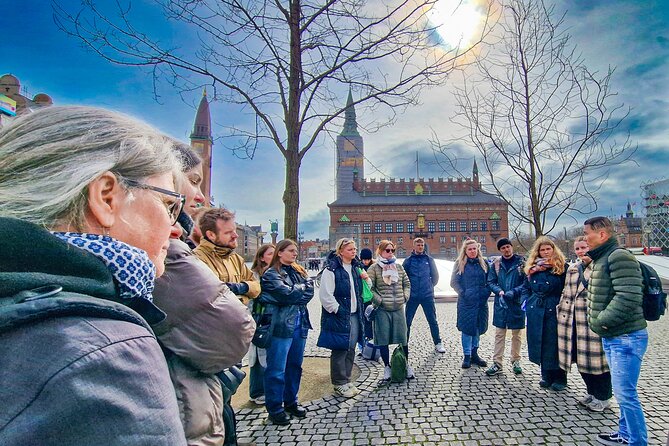
- Philip Larsen’s street-level storytelling: honest, reflective, and built for conversation
- Nørreport’s real scale: the walk starts at Denmark’s busiest station area
- Vor Frue Kirke from the outside: cathedral views without entering
- Classic Copenhagen stop-to-stop contrasts: old square, then lively shopping and nightlife streets
- Ends at Town Hall metro: easy to continue your day without extra transit
Nørreport’s nonstop rhythm: where Philip starts the story
The walk kicks off at Nørre Voldgade 82 and then immediately shifts to Nørreport Station, the busiest station in Denmark, with around 250,000 travelers a day. That number matters. It tells you this isn’t a slow, museum-style beginning. This is Copenhagen as a moving machine—people arriving, people rushing, people carrying whole lives in their bags.
What I like about starting here is how fast you get oriented. Even if you’re brand-new to the city, Nørreport is a practical landmark. You can literally feel the pulse of the city before the story gets personal. It also sets up the theme: life can change quickly in public places, in transit spaces, in places where you’re surrounded but still alone.
Philip’s tone is the key. He doesn’t just point at buildings and facts. He uses the street’s momentum to frame his own journey—happy childhood beginnings, then choices that pushed things off track. You’ll quickly understand why this tour is called a crazy life: it’s not about sightseeing tricks. It’s about how real decisions ripple outward.
You can also read our reviews of more tours and experiences in Copenhagen.



Vor Frue Kirke without entering: a cathedral moment that stays on the street
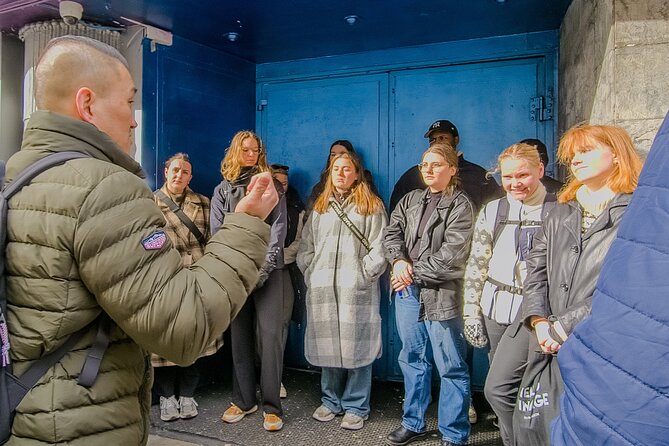
Next comes Church of Our Lady, also known as Vor Frue Kirke, the Lutheran cathedral of Copenhagen. You won’t go inside, and there’s no need to deal with entry lines or extra tickets here. That’s a practical win if you prefer your time outside and you don’t want your experience chopped up by logistics.
Still, the cathedral matters, even from the outside. Copenhagen gives you a lot of pretty views, but cathedrals add a different mood. They’re built to last. They look steady, even when the stories around them are not. Philip uses that contrast—solid stone and complicated human life—to underline how quickly someone can fall out of the track society expects.
If you’re the type who likes to peek into interiors, this might feel like a miss. But staying outside also keeps the walk coherent: story, street, then story again.
Tip: if you want photos, bring your phone up before you get too close to other groups. The area gets crowded, and you’ll want the best angles without stopping the flow.
Gammeltorv: the old square where the past feels close
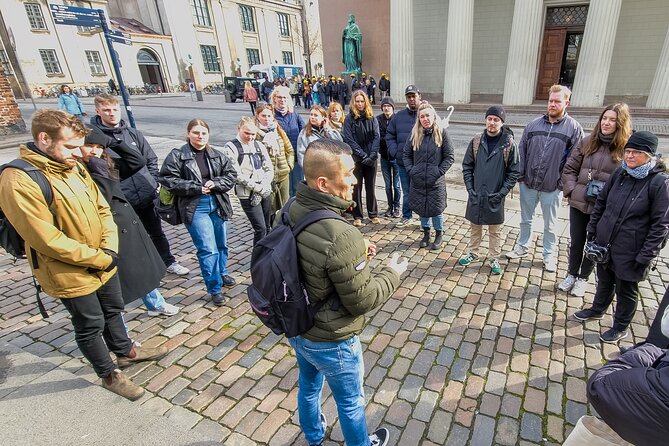
Then you move to Gammeltorv, the old square and Copenhagen’s oldest square. This stop is about grounding. Once you’ve started with the city’s nonstop motion and then paused at a cathedral, the old square gives your mind a place to land.
Gammeltorv works well for a storytelling format because squares are natural stages. People have always gathered here—today, locals grab a pause between errands, and earlier generations did the same. When Philip talks about how events shaped his fate, this kind of public space makes sense. His story isn’t “somewhere else.” It’s happening in a city that has always been a meeting point.
What you’ll notice is the way Copenhagen’s layers show up in plain sight. You don’t need a guidebook to sense that the city has been here for a long time. You just need to look around and let the square do its job.
This stop is short, so don’t expect a long hangout. Instead, think of it as a checkpoint for reflection before the walk heads into more everyday street energy.
Studiestræde: shops, cafés, and the nightlife contrast that hits harder
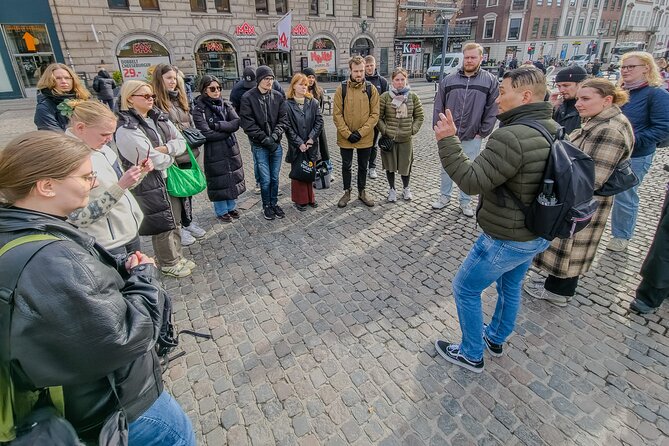
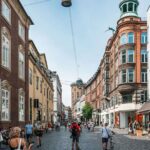
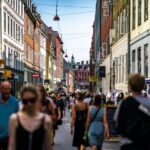
From the old square, the mood shifts to Studiestræde, a street in the heart of Copenhagen packed with shops, cafés, bars, clubs, and restaurants. This is where the city starts to look like the city you came for—active sidewalks, storefront life, and that Scandinavian mix of stylish and practical.
And then Philip’s story adds another layer. His journey includes topics that connect to environments where risks can grow: drug abuse, homelessness, and crime. Placing those themes near a street full of nightlife makes the contrast unavoidable. It’s uncomfortable, but in a way that’s honest. Copenhagen isn’t a postcard city where hard things disappear. Hard things can exist beside good meals and music.
This stop is also where your questions matter most. The tour format gives you room to ask, and Philip is open to that. The reviews you’ll find online consistently point to one thing: he answers without turning away, and he explains with reflection, not just shock value.
If you’re sensitive to heavy topics, take a breath before you come in here. You can still enjoy the walk, but give yourself permission to feel it. The tour isn’t trying to protect you from reality.
Practical note: since the street has lots of venues and foot traffic, expect a lively atmosphere around group size and positioning. Your guide will keep you moving.
Rådhuspladsen and City Hall: ending with a wide-open view of the city
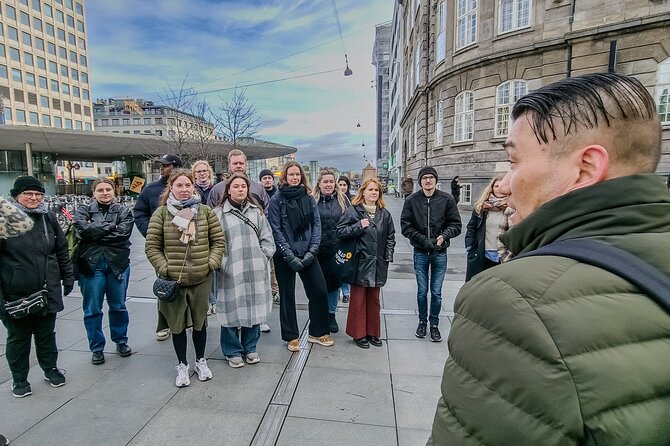
The tour finishes at Rådhuspladsen, the City Hall Square, dominated by Copenhagen City Hall, an iconic early 20th-century building. It’s a strong ending point because it’s open. After close street moments, the square gives you air.
You’ll also end next to the Rådhuspladsen metro, so you can step right back into your day. This matters for value. A lot of tours end somewhere pretty, but inconvenient. Here, you get an easy exit to transit, shopping, or an evening plan.
City Hall’s scale helps with the emotional work of the story. When Philip talks about rising again and the importance of reaching out for help, the contrast between big institutions and personal survival feels real. Copenhagen’s streets can be beautiful, but this walk keeps bringing you back to the human parts: choices, consequences, support, and change.
If you’re the kind of person who likes to process before moving on, you’ll probably want a minute or two at the square after you finish. Let the last part settle.



Philip Larsen’s story: raw honesty with a hope you can actually use
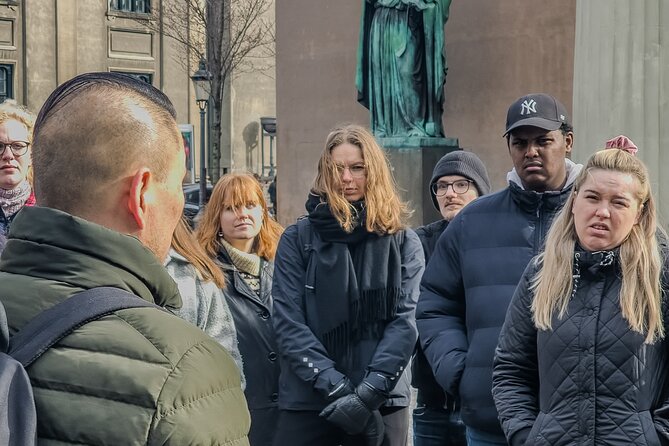
Here’s what makes this tour stand out: Philip’s life story is central. You’re not buying a “walk with a speaker.” You’re joining a storytelling route where the city is part of the narrative.
The standout praise is consistent: Philip comes across as reflective and candid, including the sides he’s least proud of. That honesty is what makes the experience feel authentic rather than theatrical. He doesn’t sugarcoat drug abuse, homelessness, and crime. He also doesn’t leave you stuck in darkness.
The most useful thread is the emphasis on reaching out for help. That’s not a vague motivational line. It’s presented as a practical turning point—something that matters when life spirals and you need support to get out. Several accounts of this walk point out that even with sad and terrifying details, there’s real hope built into the way he tells the story.
Also, this tour is shaped by conversation. People who join with students or as question-askers tend to benefit because Philip is open. If you’re on the quieter side, that’s okay too. You can absorb first, ask later.
One consideration: if you’re expecting a light, purely sightseeing hour and a half, this will feel too serious. It’s also not a lecture that locks you out. It’s personal, which means you’ll want to be mentally ready.
Price and what you actually get for $30.62
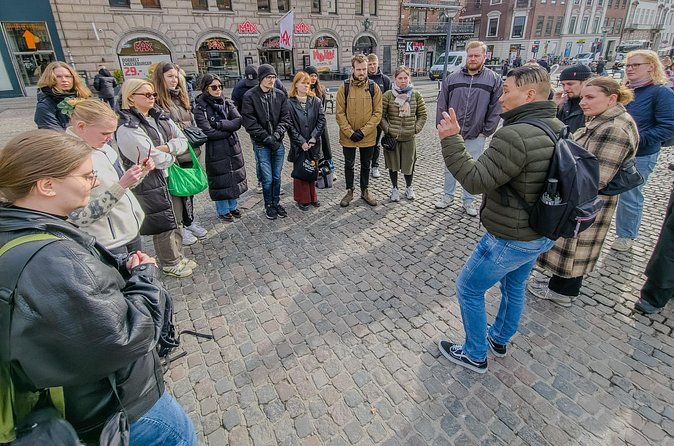
At $30.62 per person for about 1 hour 30 minutes, this is priced like a proper guided walk rather than a budget “free walking tour” vibe. The value comes from three things:
First, the format uses a small maximum group of 20 travelers. That size is what makes conversation possible without turning into a shuffle. Second, you get a curated path through recognizable central Copenhagen—Nørreport, Vor Frue Kirke area, Gammeltorv, Studiestræde, and Rådhuspladsen—without the time penalties of museum tickets. Third, you’re paying for a guided personal narrative. That’s labor and emotional risk on the guide’s side, not just spoken directions.
There’s also a small reality check. The planned duration is about 1.5 hours, and the walk can run around two hours if you stay engaged. That can feel like extra value if you like asking questions, and it can feel long if you’ve got tight plans right after. If you do, plan a buffer.
Mobile ticket included. You won’t need complicated printing.
Timing, pace, and how to plan your day
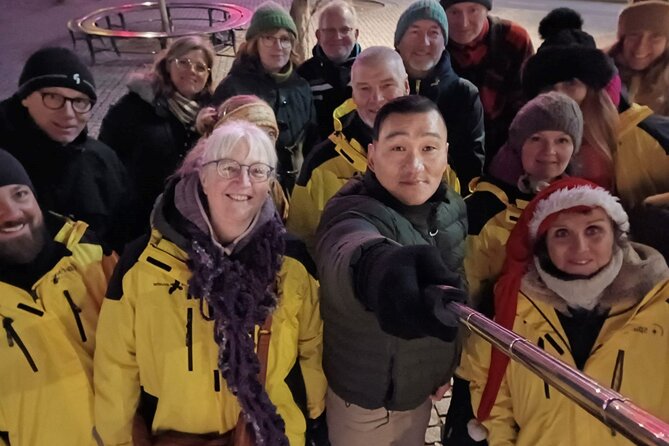
The tour starts at 1:30 pm. That’s a nice time slot for a day in Copenhagen because mornings are usually for museums and afternoons are for wandering and wandering again. This walk works especially well if you want to understand the city before you go deeper on your own.
Since you’ll be walking through busy areas and commercial streets, wear comfortable shoes. You’ll also be outdoors, so bring a jacket if the weather looks changeable.
For the best experience, plan something after that lets you process. Finishing next to the metro at Town Hall Square makes that easy. You can go straight to dinner, browse nearby streets, or hop on transit without losing time.
If you’re traveling with others, decide how you want to handle the story. Some people like to stay quiet; others like to talk right after each stop. Either is fine. Just know that the emotional content is part of what you’re buying.
Practical tips for asking questions without derailing the walk
This isn’t a rigid script you’re forced to sit through. Philip is open to questions, and the tour is small enough that your curiosity doesn’t feel like an interruption.
If you’re wondering what to ask, aim for specifics that connect the story to the city:
- What did certain places represent in his life?
- How did his choices change over time?
- What did reaching out for help actually look like?
You’ll get more from questions like that than generic ones. And remember: the best questions usually show respect. Keep them human, not sensational.
Also, if you’re the type who gets emotional during personal storytelling, it helps to bring a calm moment. The walking itself gives you that. Don’t rush yourself to “solve” the feelings. Let the narrative unfold stop by stop.
Who this Copenhagen street walk suits best
This tour is ideal for you if you want more than pretty streets. You like human stories, you’re open to serious topics, and you appreciate that real life doesn’t cleanly match postcards.
It also tends to suit student groups well, based on how the walk is structured for questions and reflection. If you’re traveling with young people and you want a memorable way to talk about choices, consequences, and recovery, this is the kind of activity that sparks real discussion.
On the other hand, you might want to skip it if:
- you want a light, carefree sightseeing hour,
- you strongly dislike stories involving addiction and homelessness,
- you need a strictly factual, museum-style tour.
Should you book Philip’s Life on Copenhagen’s Streets?
I’d book this if you want a Copenhagen experience that treats people as real, not as background. For $30.62, you’re getting a tight route through major central landmarks plus a storyteller who connects tough themes with the practical message of reaching out for help.
Book it if you like conversation and you can handle emotional honesty. Don’t book it if you’re trying to avoid heavy topics and you only want viewpoints and photos.
If you do go, show up with open eyes, ask one or two good questions, and plan an unhurried afternoon after. The city will feel different when you leave the last stop at Town Hall Square.
FAQ
How long is the tour?
The tour runs for about 1 hour 30 minutes.
Where does the tour start and end?
It starts at Nørre Voldgade 82, 1358 København and ends at Rådhuspladsen, next to the Town Hall metro (Rådhuspladsen metro).
Is the tour offered in English?
Yes. The tour is offered in English.
How big is the group?
The experience has a maximum of 20 travelers.
Are service animals allowed?
Yes, service animals are allowed.
What refund options do I have if I cancel?
You can cancel for free up to 24 hours in advance for a full refund. If you cancel less than 24 hours before the start time, the amount you paid is not refunded.